Carnegie Moscow Center

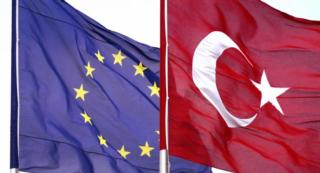
Turkey and the EU both face urgent foreign and security issues that cannot wait. As a result, they need a new, more effective channel for strategic dialogue to complement the accession process.
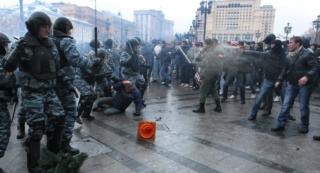
The recent unrest in Moscow, responding to the lack of investigation into the murder of football fan Yegor Sviridov, demonstrates the serious problems that exist in the relationship between the Russian public and the authorities.
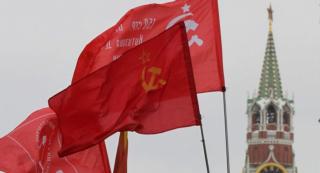
For Russia to truly break free of Stalin’s legacy, it must not only recognize Stalin’s crimes but also end the historical and political immunity of state security and reinvent Russian national identity.
Russia, the world’s largest oil producer, is vigorously promoting the development of new outlets for oil exports, an initiative that will have considerable policy and economic implications for Eastern and Central Europe and even the United States.
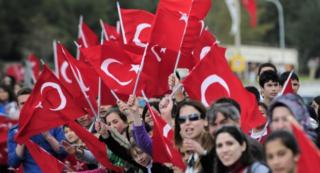
While Turkey’s vote against additional UN Security Council sanctions on Iran was viewed by some as a sign that Turkey is drifting away from the West, in reality the relationship is much more complicated.
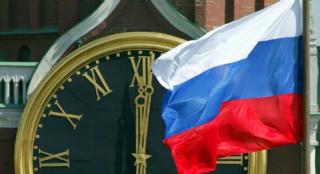
By seeking to reduce the number of time zones in Russia, the Kremlin is implementing a superficial and problematic change instead of tackling the serious reforms that the country needs.
Achieving a genuinely collaborative approach to missile defense would address a common threat to the Euro-Atlantic region and help remove the misgivings that are blocking progress toward a common security space.

A Euro-Atlantic security community would be built on a transformed strategic relationship between the United States, NATO, and Russia, and reconciliation between Moscow and Central and Eastern Europe.
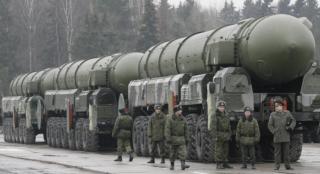
The civil nuclear cooperation deal, or 123 agreement, will greatly improve the ability of both Russia and the United States to prevent proliferation and it will advance mutual interests, improve relations, and deliver on the promise of the reset.

Prominent blogger Alexey Navalny’s new site, RosPil.net, is helping to expose corruption in Russia. Economists estimate that stopping theft within the state procurement system could double Russia’s yearly economic growth rate.
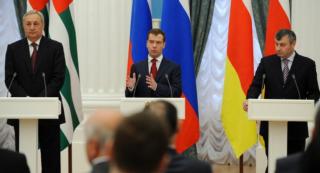
Abkhazia’s relationship with Russia and the larger international community is shaped both by its disputed status as an independent state and by a sharp historical memory of its equally disputed past.
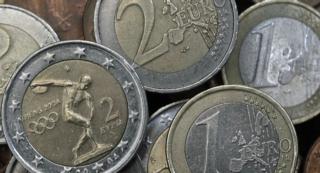
If the European debt crisis, which is straining the ties that bind the continent together, brings about the end of European integration, the economic, political, and social repercussions will impact the entire world.
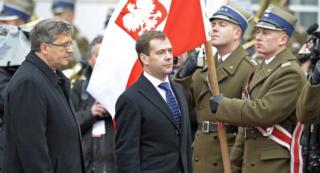
Since 2008, Russo-Polish relations have seen a positive transformation that has the potential to make this relationship one of the key pillars of stability and security in Europe.
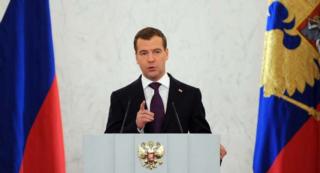
President Dmitry Medvedev’s annual state-of-the-nation address lacked any analysis of the real challenges facing the country and was not the address of the leader of a country but rather a report by a deputy prime minister responsible for the government’s priority national projects.
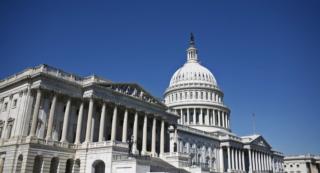
The release of thousands of diplomatic cables by the website Wikileaks may have sparked official protests, but they have also exposed some interesting information about the inner workings of U.S. diplomacy.
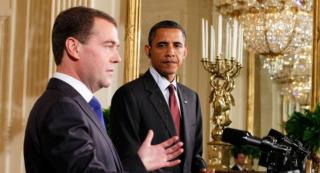
As it negotiates the fate of New START, Washington should not lose sight of the importance of continued cooperation with Russia across a broad range of issues.
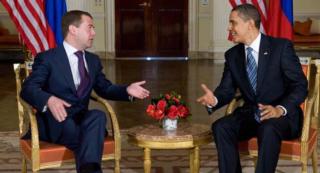
Despite the reset, a values gap still exists between Russia and the United States that could limit progress, undermine trust and confidence in the bilateral relationship, and raise difficult issues that cannot be ignored.
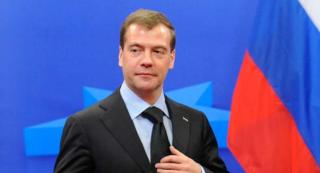
While political modernization remains unrealized under President Medvedev, as the Russian situation becomes increasingly complex, the Kremlin will likely be forced to embrace modernization as the only path to political survival.
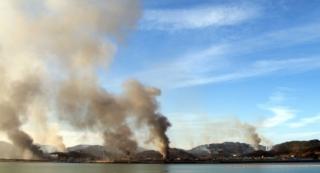
While the ongoing handover of power from Kim Jong Il to Kim Jong Un in Pyongyang is a potentially dangerous process, it also provides new opportunities for the international community to nudge the North Korean regime in a more open and liberal direction.
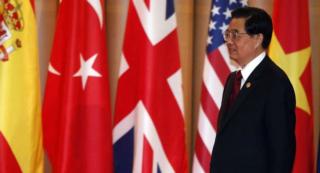
A troubling perception gap exists between Chinese citizens, who feel their country is discriminated against in the international arena, and Western observers, who harbor suspicions of Beijing’s intentions.