Carnegie Moscow Center

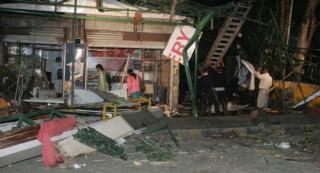
The terrorist attack in Pune shows there is still opposition in India to normalizing relations with Pakistan. Since the international community supports normalization, however, this opposition stands little chance of success.
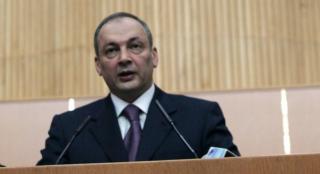
Magomedov, the new president of Dagestan, is a compromise figure selected to help calm the region. There is every chance that he could be a success for the Kremlin, with the apparent support of Dagestan’s parliament.
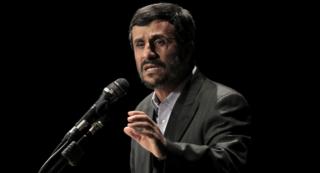
On February 11, Iran will mark the 31st anniversary of the Islamic Revolution with a resilient opposition movement, its population divided, and the threat of international sanctions.
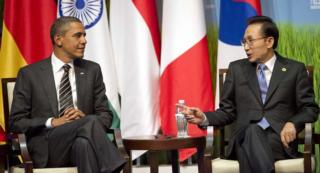
While there has been an increase in heated rhetoric over sensitive issues between Beijing and Washington, both governments are trying to prevent emotions from getting out of control, aware that the United States and China must work together to resolve a multitude of transnational challenges.
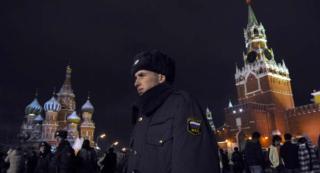
On January 30, 10,000 people protested in Kalingrad against the policies of United Russia and, in particular, the region's governor, millionaire Georgy Boos. The large protest demonstrates a disconnect between the authorities and the people of the region.
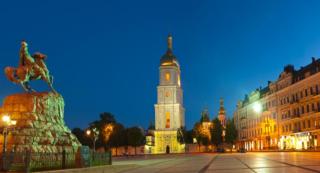
Viktor Yanukovich will likely be the winner of the presidential election in Ukraine, and once in office, he will have to confront the biggest risk to Ukraine's independence and security: a continuation of divided government and policy paralysis.
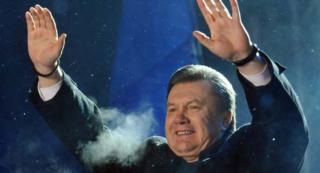
Viktor Yanukovich's apparent victory in the second round of presidential elections should not be interpreted as the end of Ukraine's democratic experiment. Ukrainian politics is set to remain multi-polar for the foreseeable future.
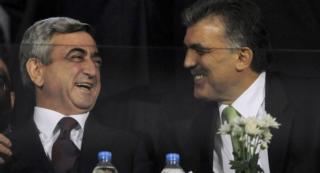
Armenia and Turkey have a chance to move forward from their troubled past by ratifying the historic protocols signed in October 2009. While the governments in both Yerevan and Ankara face strong opposition to the protocols, a failure to ratify the agreement could have disastrous consequences for the entire region.
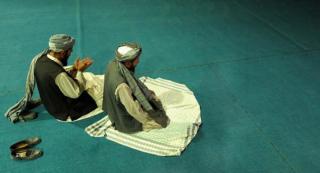
The conference in London failed to suggest viable solutions to the real problems facing Afghanistan, including President Karzai’s lack of credibility, the prevalence of local corruption, and the fragmentation of power into the hands of armed local militias.
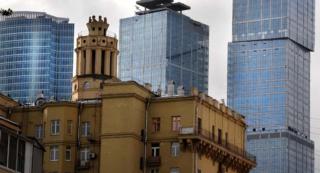
Russia's system of government administration is inefficient, unable to cope with both a transition of political power and the economic crisis at the same time. To ensure its own survival, the Russian regime must modernize itself.
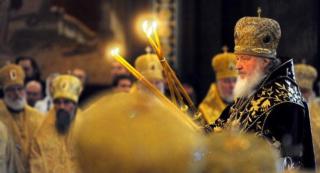
A year after his enthronement, Patriarch Kirill has re-energized the Russian Orthodox Church, shored up his own support base, and laid the foundations for a new – if politically controversial – role for the Church in state and society.
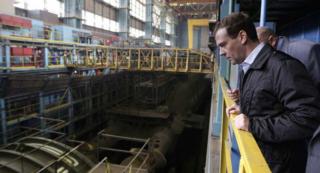
The global economic crisis emphasized Russia’s need to modernize or face marginalization. The current brand of conservative modernization, however, is unlikely to succeed, leading to a showdown between true modernizers and conservatives.
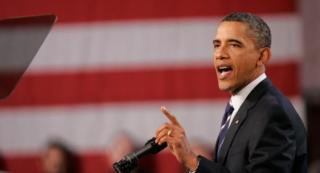
Obama is trying to position himself as the ‘president of all Americans,’ to modernize the United States, and to resolve pressing problems such as unemployment, health care, and the budget deficit.
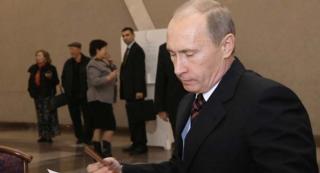
The recent State Council meeting on the subject of modernizing Russia's political system reflected the growing political cracks in the foundation of Prime Minister Vladimir Putin’s vertical power structure.
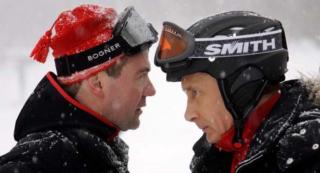
The Armenia-Azerbaijan-Russia presidential summit in Sochi is unlikely to change the situation with Karabakh, but may reignite the stagnated negotiation process. Russian involvement is key to its presence in the Caucasus.
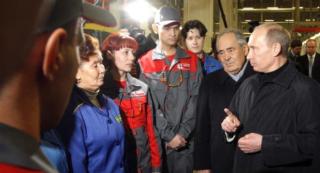
The imminent departure of Mintimer Shaimiev as president of Tatarstan may mark the beginning of the end for the aging titans of Russian regional politics, but it will bring little if any real change to one of Russia’s most important ethnic republics.
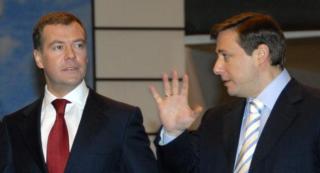
By combining the posts of presidential envoy and deputy prime minister for the newly created North Caucasus Federal District, the Kremlin is taking strong political measures to end the violence in the North Caucasus.
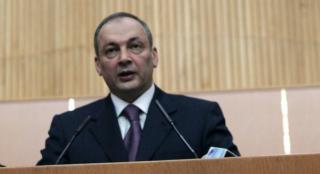
The Republic of Dagestan is becoming increasingly unstable, partially caused by a Russian policy of neglect, appointing only leaders loyal to Moscow. Severe economic problems and radical Islam also contribute to the violence.
Rather than focus on preserving its status as a great power, Russia’s foreign policy should aim toward comprehensive modernization. Cooperation with Europe will be crucial to achieving that goal.
Russia’s recovery remains slow. With domestic demand still weak, oil and natural gas producers—critical players in the Russian economy—are looking for markets outside of Russia.