Carnegie Moscow Center



In light of the crisis in Syria, and as part of its mandate to promote democracy and development in the region, the United Nations Economic and Social Commission for Western Asia (UN-ESCWA) has initiated a program named The National Agenda for the Future of Syria (NAFS).

Shia-Sunni sectarianism is one of the factors driving instability in the Middle East.
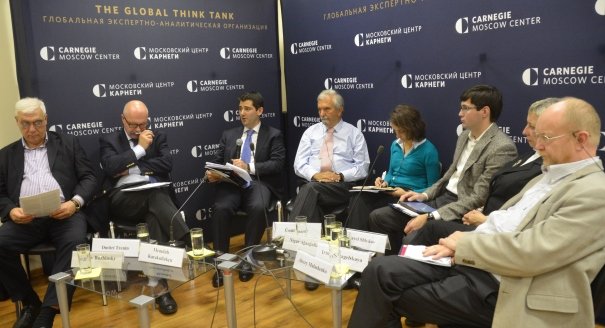
Russia and Turkey share many important interests, providing them with opportunities for valuable collaboration and cooperation in their common neighborhood, which stretches from the South Caucasus and the Levant to Central Asia and Afghanistan.
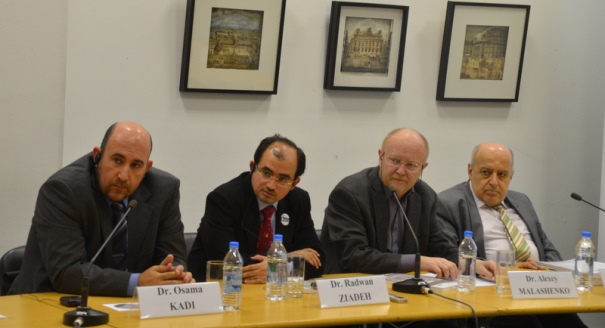
As the conflict in Syria continues, opposition groups have put together a plan named the “Syria Transition Roadmap” that they hope will lead the country into the future.
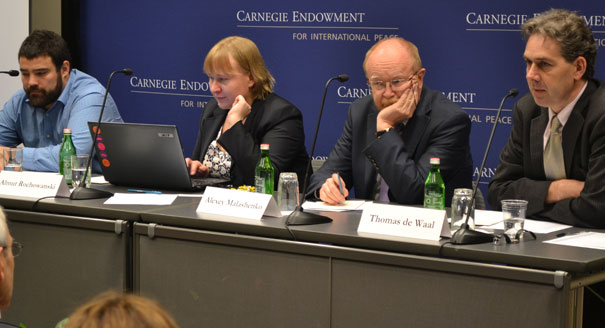
Since the Boston Marathon bombings, Russia’s relationship with its Muslim minorities has become the focus of intense scrutiny in the West.
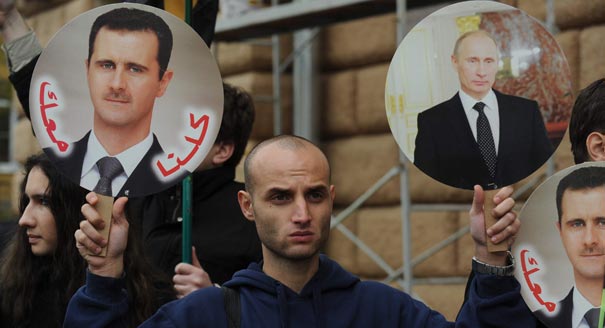
Since the Arab Spring first broke out in December 2011, Russian policymakers have viewed regional developments with unease. They now wonder what rising Islamist parties in the Middle East will mean for Russia's relationship with its own Muslim minority.
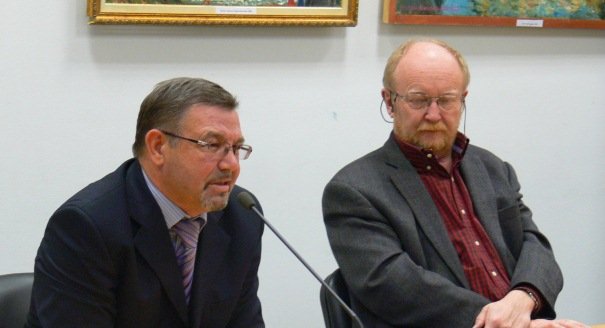
Radicalization is taking place inside Tatarstan’s Muslim community, and internal divisions are among the reasons for the July 2012 terrorist attacks on Ildus Faizov and Valiulla Yakupov.
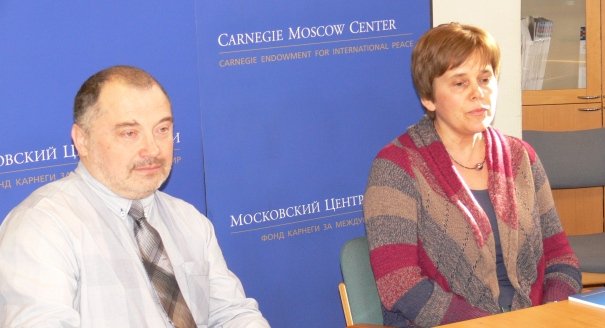
After the presidential election, which Vladimir Putin won, a significant portion of the population doubts the legitimacy of the election results. These doubts will contribute to the rise of social and political movements in Russia.
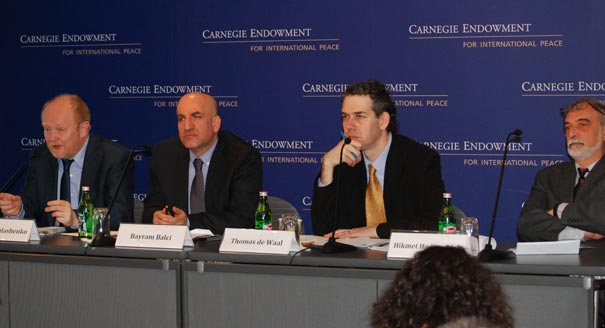
Islam is increasingly an important factor in the politics of the wider Caucasus region.

Islam is increasingly becoming a factor in the politics of the wider Caucasus region, as Azerbaijan experiences a growth of religion in politics and Turkey and Iran compete for Islamic influence on their neighbors.