Carnegie Moscow Center


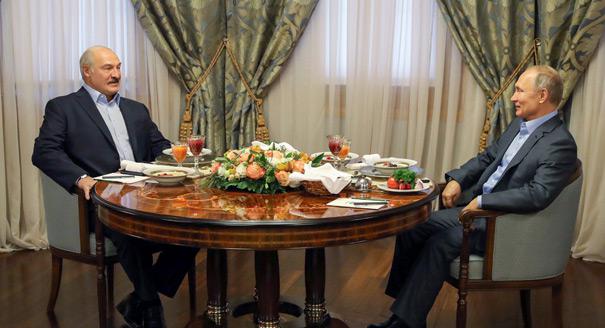
A row over energy prices is a sign that Belarus and Russia are set to have a cooler and more pragmatic relationship. Over the next few years, Minsk is likely to build a more balanced relationship with the West and Moscow, like that of Armenia or Kazakhstan.
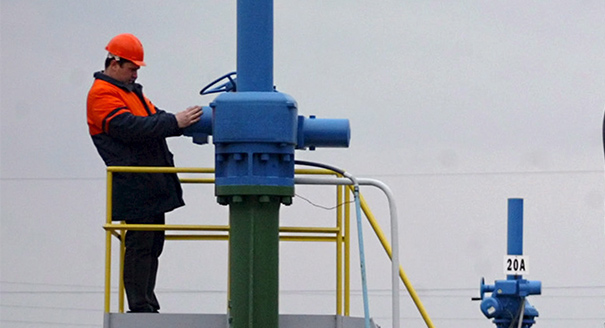
Belarus’s resolution to become less dependent on Russian oil has nothing to do with its economy. Minsk is making a political statement with the aim of depriving Moscow of one of its main bargaining chips in their relationship.
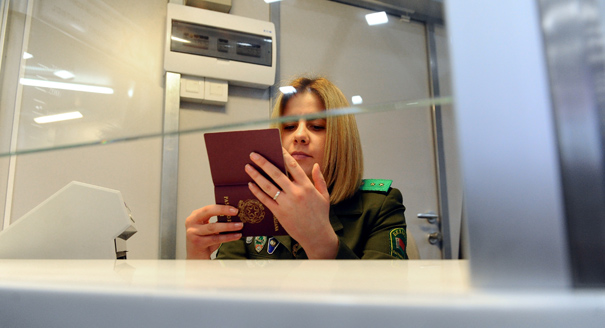
There’s no desperation or desire from the Belarusian side right now to obtain concessions from Moscow at any price. The damage to Belarus’s economy from Russia’s “tax maneuver” is serious, but not fatal. The cumulation of these losses will only anger Lukashenko and make him less prepared to compromise.
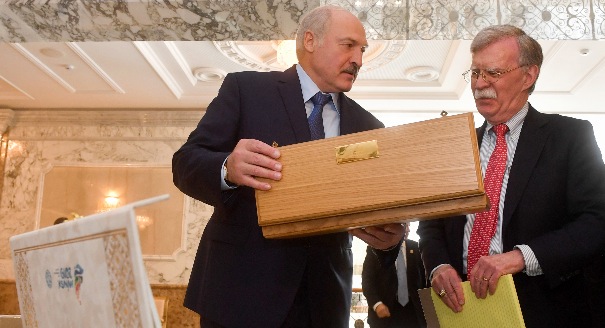
Both Belarusian officials and U.S. presidential adviser John Bolton were quick to put out the message that the visit was more about form than content. Bolton said openly that no issues had been resolved at the meeting, but that he had not expected otherwise. Belarusian Foreign Minister Vladimir Makei said that no one was enticing Minsk over to any side, and that the two sides had simply agreed to keep communicating.
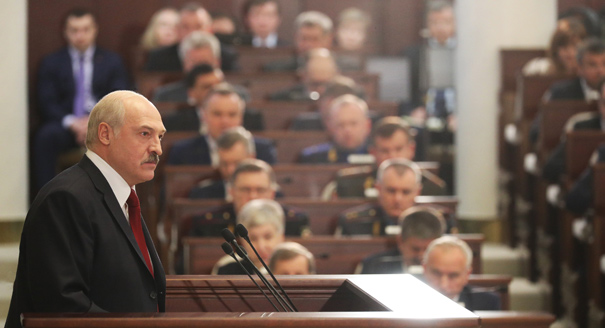
Elections in Belarus are traditionally administrative rituals. However, amid growing tensions with Russia and increased discussion of a future presidential transition in Minsk, the upcoming Belarusian parliamentary and presidential votes may be the start of cautious political change in the country.
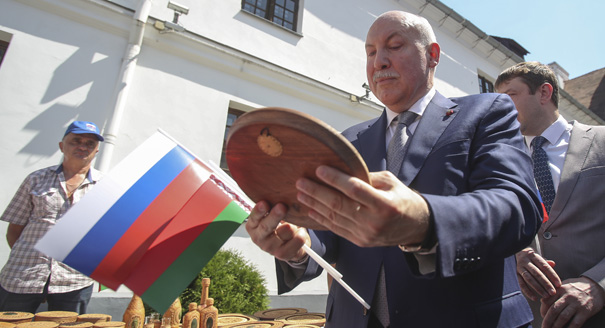
The distrustful, authoritarian regimes of Russia and Belarus are incapable of sharing power. The most the two sides can do without betraying their sovereign interests is to start coordinating their decisions on various sectors of the economy a little more closely, such as agreeing on a unified goal for the inflation rate. Then, if it’s really necessary, this can also be described as integration.
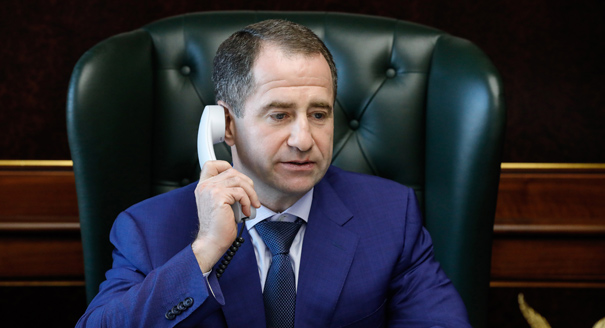
The nonchalance with which the Russian ambassador and his sparring partners in Minsk are raising the stakes in their rhetoric is a symptom of deeper forces at work in Belarusian-Russian relations. Both sides are starting to sense that they have reached some kind of historic threshold. But the old format of friendship is so worn out that there is little to lose.
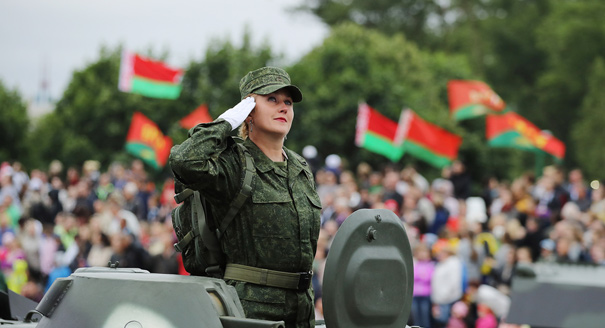
The Kremlin’s recent demand that Belarus integrate further with the Russian state in return for financial support has sparked concerns that Russia may annex its neighbor. Such a move, some analysts suggest, would allow President Vladimir Putin to remain in office after 2024. But this scenario is rife with unpredictable risks for Russia and is based upon several incorrect myths about modern Belarus.
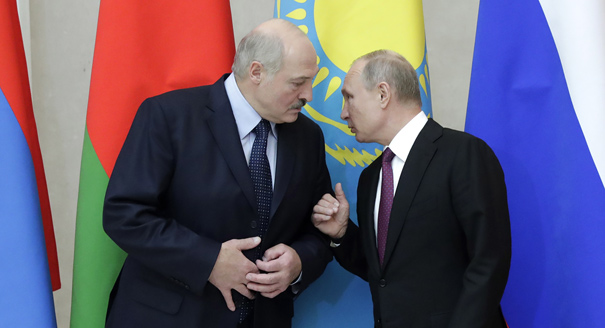
A new confrontation between Belarus and Russia over oil revenues and political integration has delivered a serious blow to the two countries’ long-standing alliance. There are talks that even the Belarusian independence is under threat. Faced with a choice between more money and more sovereignty, Minsk will inevitably choose sovereignty. In the long run, this conflict demonstrates the gradual breakdown of Russian-Belarusian “brotherhood.”

Recent changes in the Belarusian government only affect the socioeconomic sector. The doves from the Foreign Ministry and the hawks from the security services remain untouched, because the reshuffle has little to do with the foreign policy agenda: it’s the economic situation that concerns President Lukashenko the most.