Carnegie Moscow Center

Those who believe that the Kremlin will be satisfied with Crimea and will agree to return to a new “reset” do not understand the nature of the Russian personalized power and its logic that tries to prolong its life at the expense of breaking the rules and even destroying the world order.
The Kremlin wants to legalize the annexation of Crimea to Russia as soon as possible because it is trying to present the world with an accomplished fact while the West is still confused and lacks effective means to stop Russia.
While a global crisis, provoked by the recent developments in Ukraine, has brought the world to the edge, the political and intellectual world has demonstrated how unprepared it is for the new challenges and how difficult it is to grasp the new reality.

The Kremlin’s intervention in Crimea and destabilization of Ukraine exemplifies the Putin Doctrine, part of which is to find ways to reproduce the traditional Russian state.
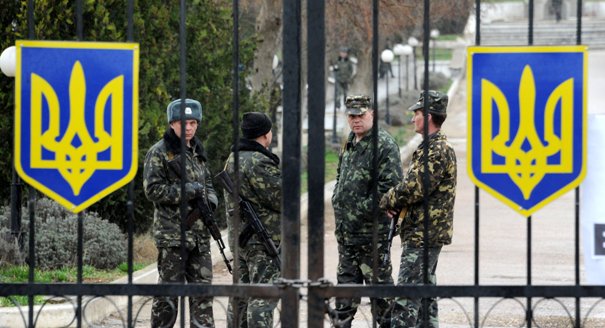
Ukraine became the place where the open crisis of the post-Soviet model occurred. This means that the country may become only the first stage in the chain of future collapses. Also, with Russian invasion in Ukraine the entire international system that came into being after 1991 is starting to crumble.
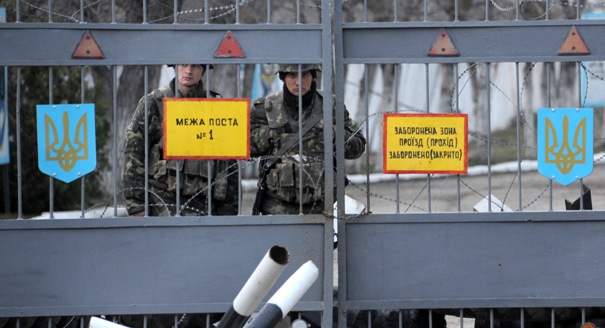
The Kremlin’s intervention in Crimea and direct involvement in the destabilization of the southeast of Ukraine exemplifies Putin’s Doctrine. This concept is based on the premise that Russia can only exist as the center of the galaxy surrounded by the satellite-statelets.
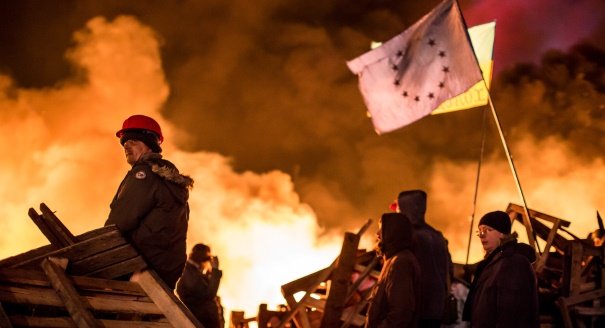
It is not clear how long the uncertainty over Ukraine’s new course will last. But the challenges that the country is facing are more obvious.
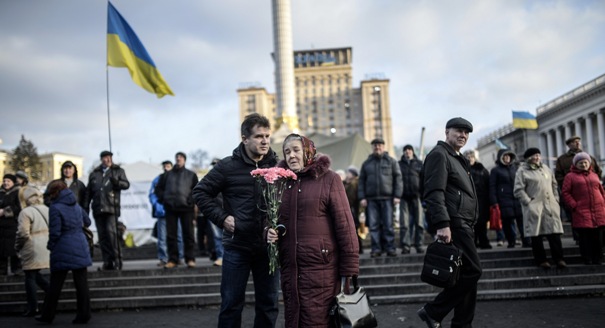
The Ukrainian drama is far from over, and the international actors bear responsibility for its length and excruciatingly painful results.
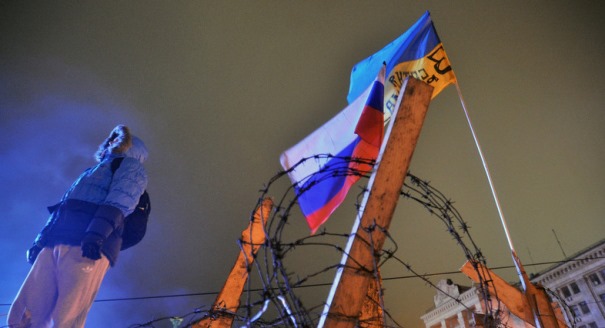
Russian Foreign Minister Sergey Lavrov’s article on Ukraine demonstrates that the Russian regime is simultaneously making conflicting statements and moving in opposite directions.
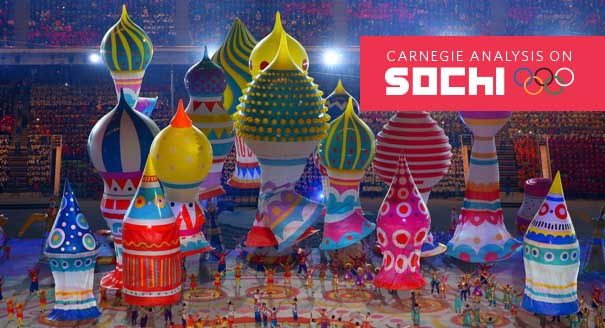
The Sochi Olympics are the Kremlin’s attempt to create the fairy tale myth of Russia that does not exist.