Carnegie Moscow Center

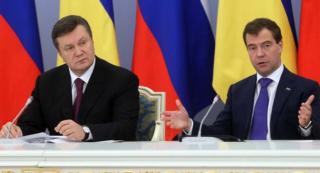
While there has been a reawakening of sorts between Russia and Ukraine, relations between the two remain essentially unbalanced and tensions over gas disputes and trade are likely to continue to undermine bilateral relations.
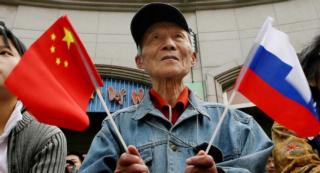
With the bureaucratic infrastructure for solid bilateral relations between China and Russia already in place, the next step is increased dialogue between the countries’ intellectuals, who can examine the relationship from a broader perspective.

Vice President Biden's March visit to Moldova, coupled with renewed interest within Congress and the European Union, has raised the prospect of a breakthrough in Moldova's secessionist region, Transnistria.
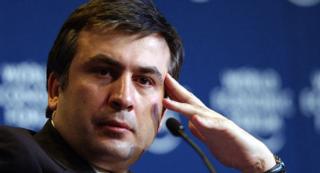
As Georgia enters a period of transition, with upcoming parliamentary and presidential elections, the current government has made good progress in building a functioning state that delivers services to citizens, but Georgia’s economic picture is increasingly uncertain.

Three months after Japan's devastating earthquake and tsunami, the extent of the country's nuclear crisis is becoming clearer.
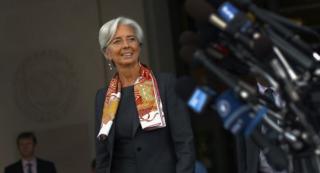
Although Brazil, Russia, India, China, and South Africa enjoy significantly more power individually nowadays, as a group they still haven't mastered the methods for transforming their newfound economic prowess into global power.
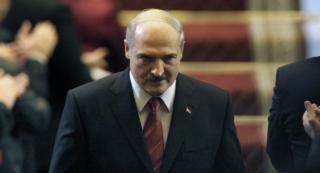
The West must look ahead to when President Lukashenka is no longer in office and help the people of Belarus develop its civil society.

As both Georgia and Russia head toward elections in 2012, their politicians face a dangerous temptation to use the smoldering conflict between the two nations for domestic political purposes.
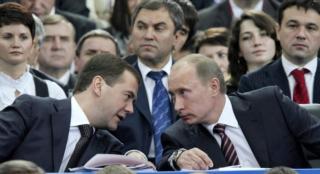
The All-Russia People’s Front, a creation of Prime Minister Vladimir Putin, may succeed in bringing fresh faces into Russian government, but its primary role is to reinforce Putin’s role as national leader.
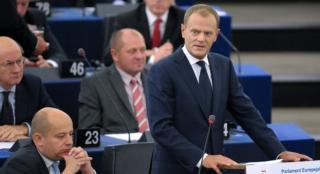
Democratic actors in Central and Eastern Europe bring unique experiences and legitimacy to international democracy support and their democracy promotion efforts have the potential to make a significant contribution.

If Michael McFaul is confirmed as the next U.S. ambassador to Russia, one of his chief tasks will be changing the nature of the strategic relations between the United States and Russia from an adversarial one and toward a cooperative one where neither party regards the other as a potential adversary.
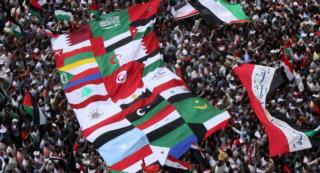
In the wake of the Arab Spring, some countries, like Egypt and Tunisia, are in the process of a real democratic transformation, while others, like Libya, Yemen, and Syria, are in deep crisis.
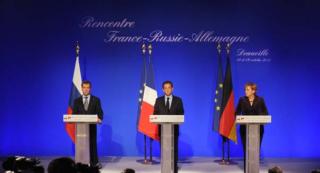
The statement on Nagorny Karabakh by Presidents Medvedev, Obama, and Sarkozy at the G8 summit in Deauville, France is the most serious international declaration on the conflict in many years.
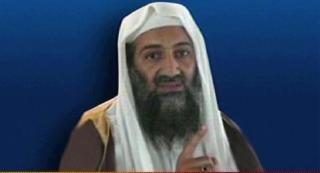
Russian experience in fighting terrorism shows that the elimination of charismatic leaders like Osama bin Laden does not necessarily end the deadly threat posed by the terrorist groups they led.
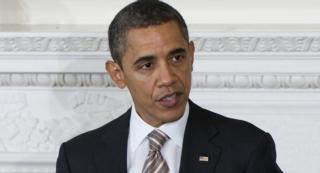
President Obama's visit to Warsaw serves as a geopolitical re-investment in a region that hosts Europe’s most pro-American populace, and which had developed very serious doubts over whether the United States was still the reliable friend and ally they want so much.

While Prime Minister Vladimir Putin has shown no signs of being willing to leave power after the 2012 presidential elections, it looks increasingly like there will be no role for President Dmitry Medvedev in the post-election era.
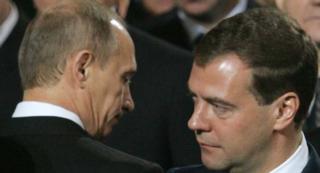
In advance of the 2012 presidential election, Vladimir Putin seeks to convince the world that the rift between him and incumbent Russian President Dmitry Medvedev is growing. But there is no evidence that any real power is starting to move Medvedev’s way, and he is not ready to challenge Putin.
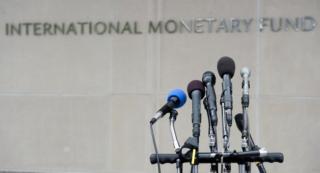
The leadership of the International Monetary Fund should be open to any qualified candidate from anywhere in the world and the selection process should be inclusive, transparent, and based on no other considerations than the candidate’s professional merits, experience, and integrity.
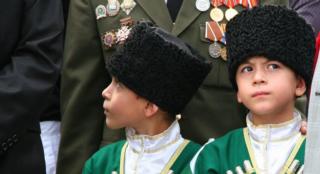
As the Georgian parliament contemplates passing a resolution declaring the 1864 Russian deportations of the Circassians to be genocide, it risks setting a precedent for the Abkhaz, an ethnic group also deported by the Russian Empire in 1867.
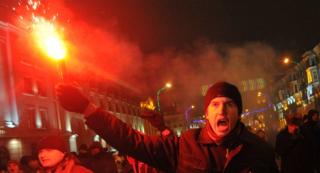
As Belarus faces increased isolation and potential economic collapse, it is time for the international community to come together and seek a least bad outcome for the short term, while laying the foundation for long-term positive change.