Carnegie Moscow Center


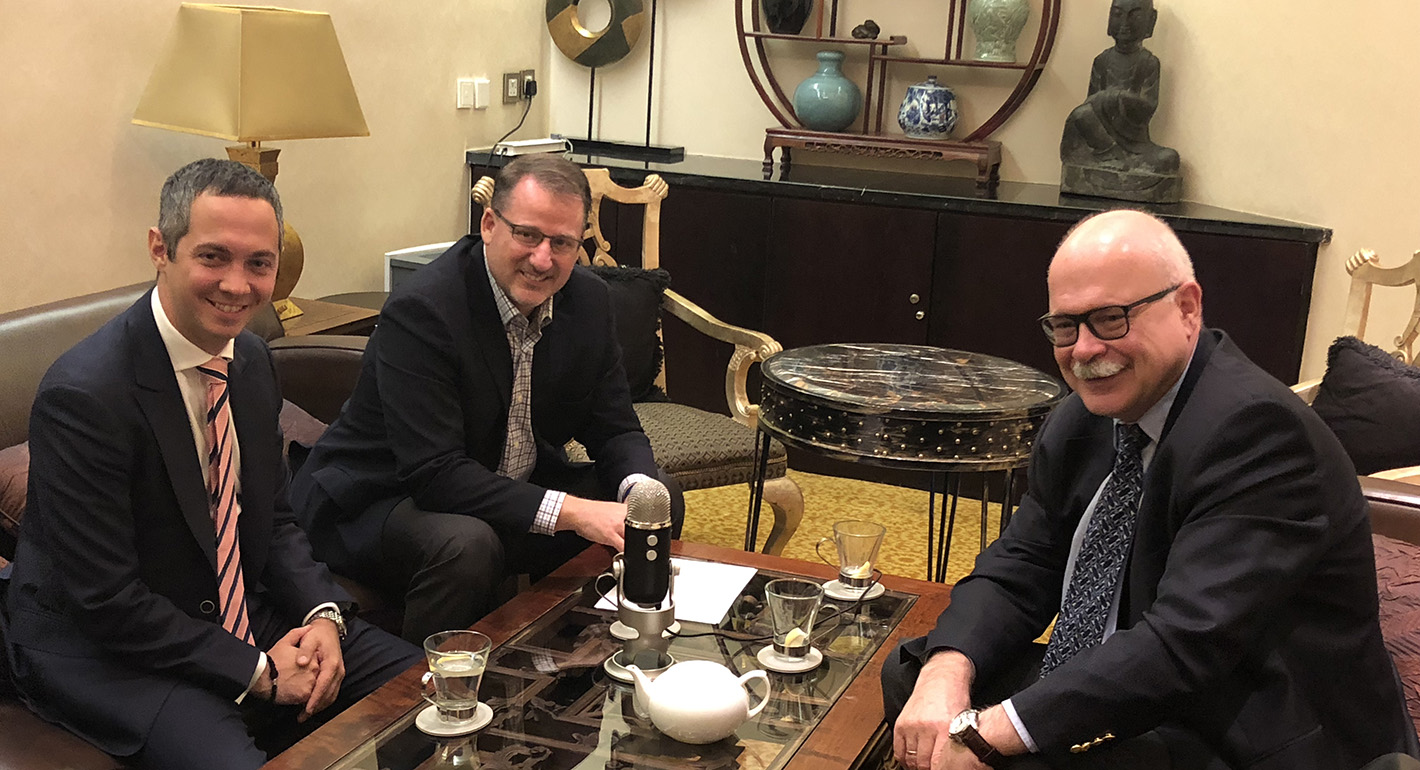
Though a “Cold War” between the U.S. and China has not yet begun, the two sides are increasingly confrontational and risk shifting from competition to rivalry. Russia does not feel threatened by China’s rise, as Moscow remains confident that it can still benefit from the relationship.
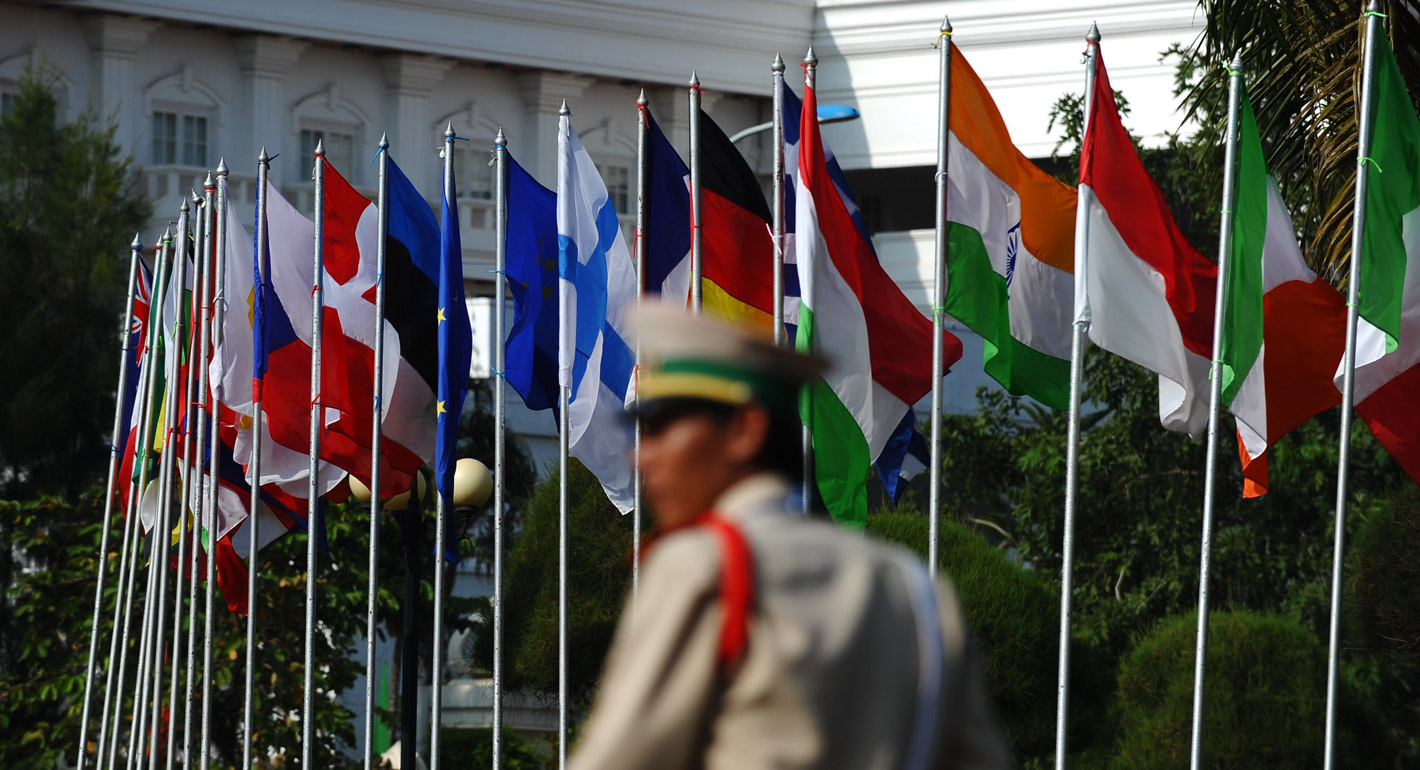
Asia-Europe meetings have been held for over a decade, but they are becoming increasingly relevant. Partners from both continents want to work together more closely, so they can combat challenges to globalization and multilateralism.
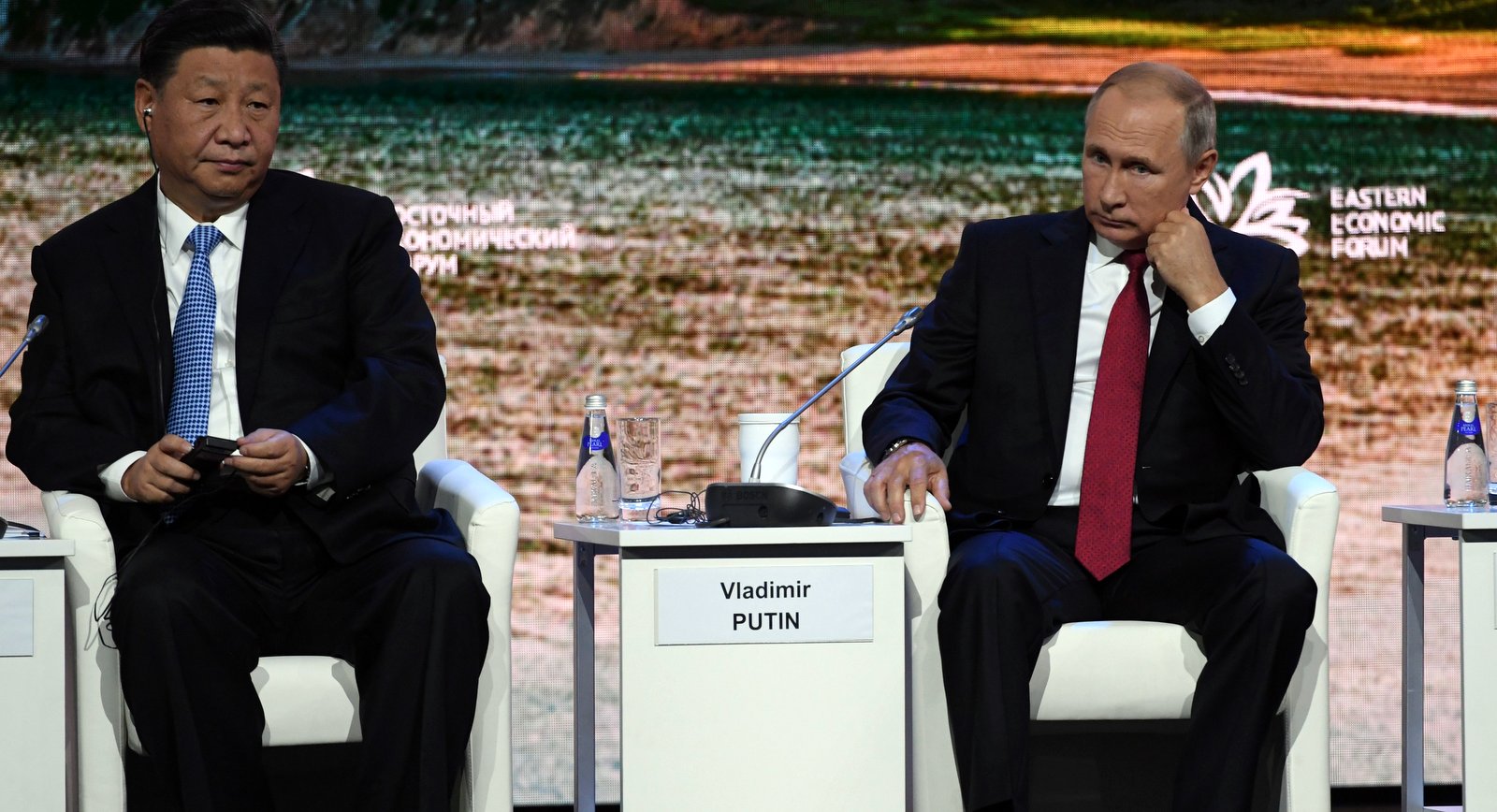
Conventional wisdom in Washington ignores the degree to which shortsighted U.S. policies are pushing Russia and China closer together. Now would be a good time for U.S. policymakers to rethink a policy that antagonizes both of the United States’ principal geopolitical rivals and to think more creatively about how to manage a new era of increased competition among great powers.
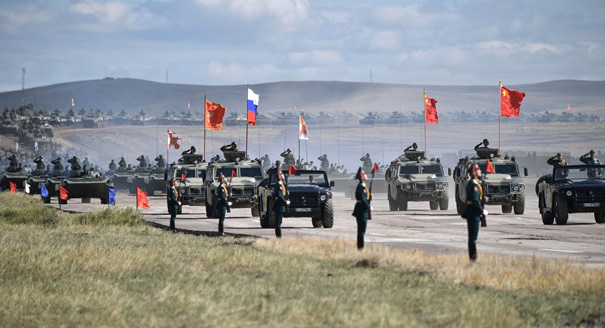
Chinese participation in Vostok-2018 is groundbreaking. It sends a powerful message about the evolving relationship between the great Eurasian powers, which just a couple of decades ago viewed each other as adversaries.
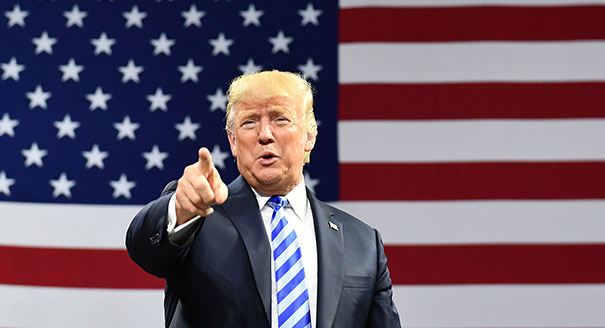
Moscow is realizing that even if Trump survives the many scandals that surround him, he won’t be able to deliver major improvements in U.S.-Russian ties.
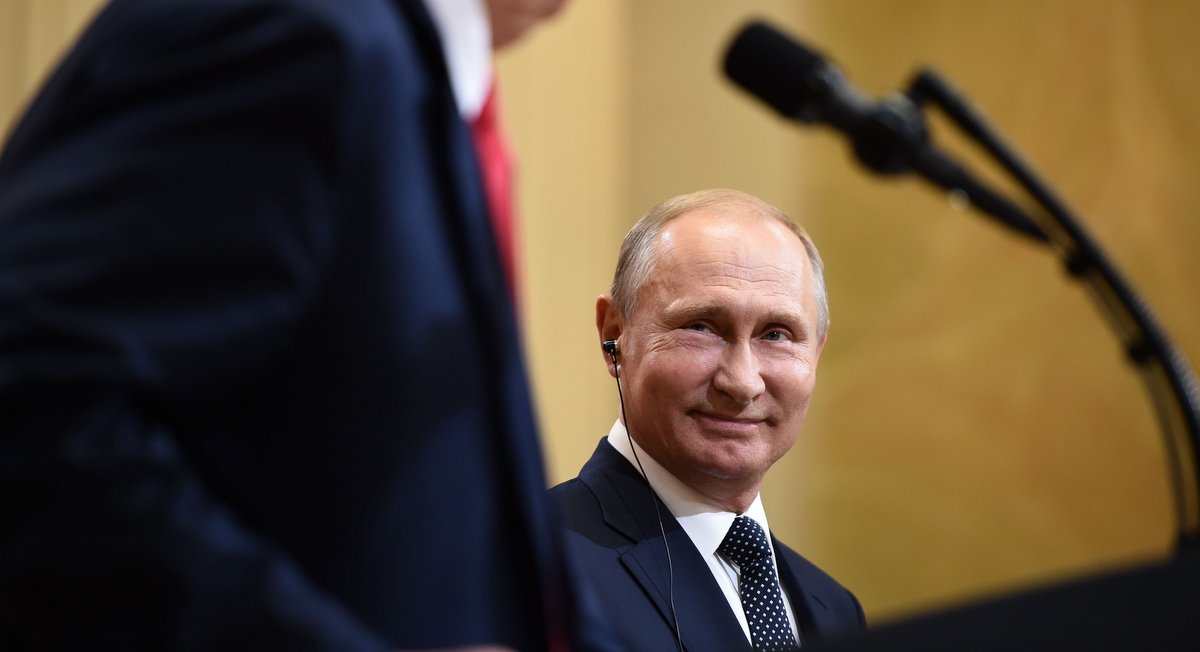
Vladimir Putin achieved his goal of embarrassing the United States. But Russians are already bracing for the backlash.
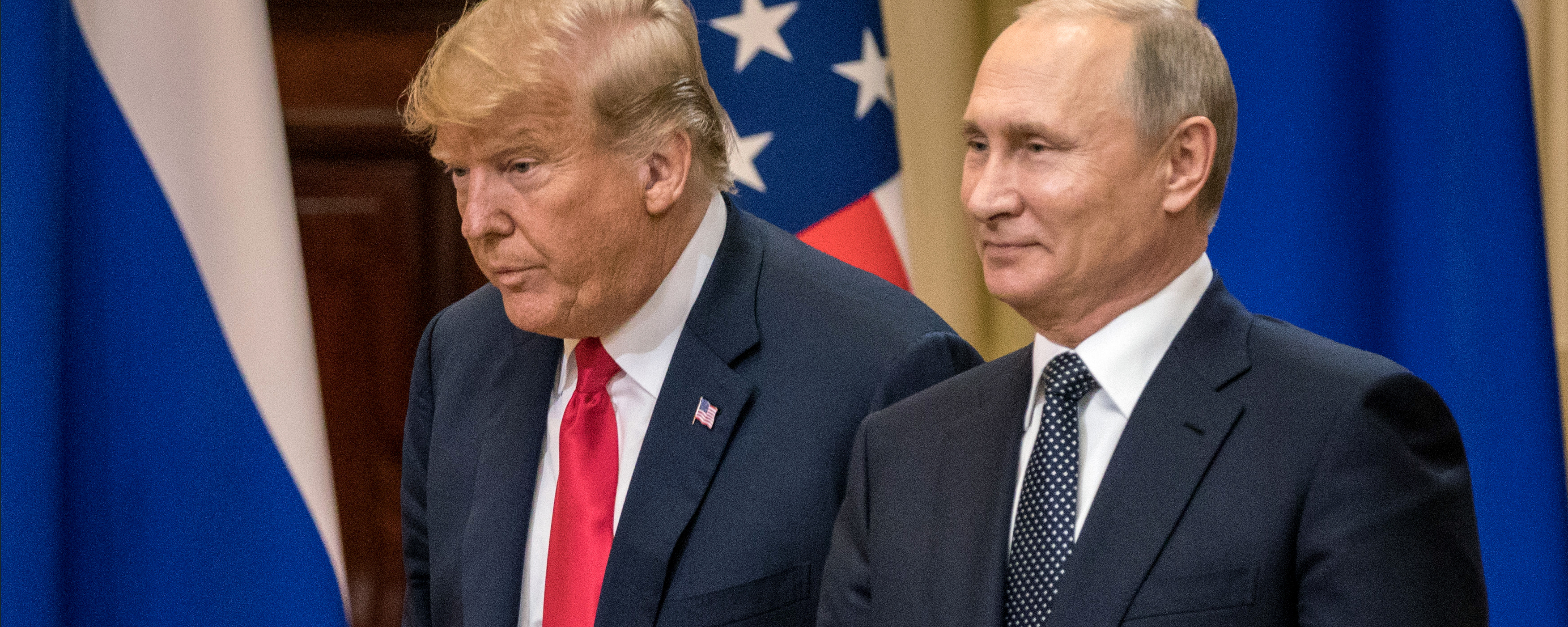
The Helsinki meeting between U.S. President Trump and Russian President Putin concluded with jaw-dropping statements on both sides. Carnegie experts joined Jen Psaki to dissect the summit and what it means for U.S.-Russia relations going forward. (Runtime - 19:20)
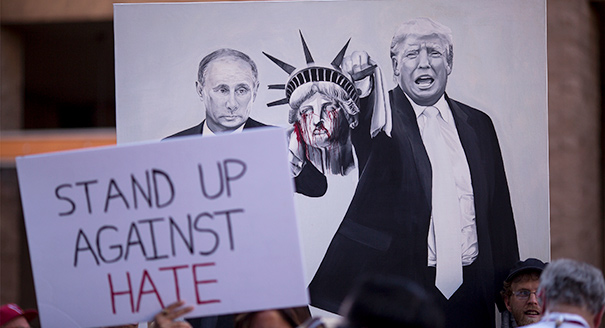
As Trump prepares to meet Vladimir Putin, there is no sign that he has absorbed the lessons of multiple rounds of Western sanctions against Russia since 2014.
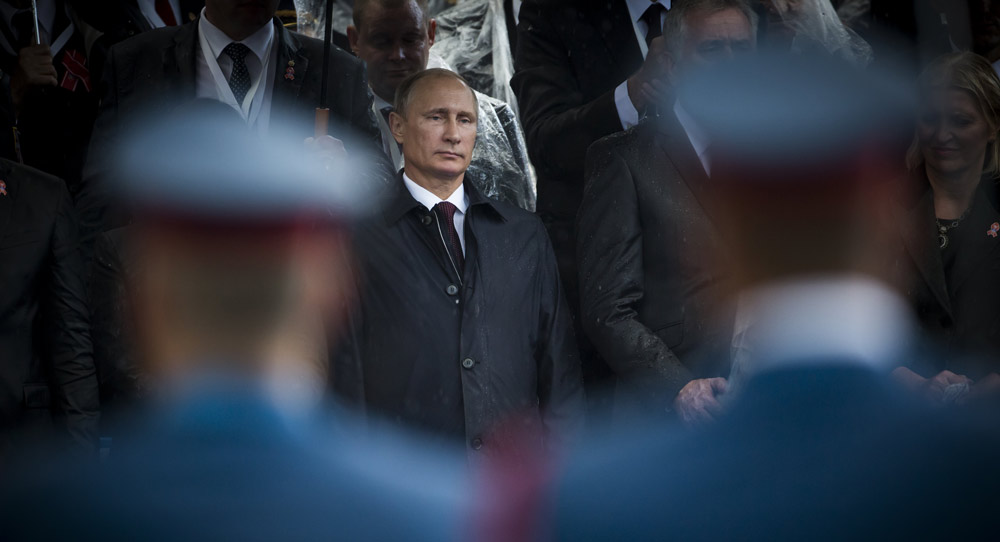
The possibility of a grand bargain emerging from the Helsinki summit is low. The Russian president will not be making concessions to his U.S. counterpart.
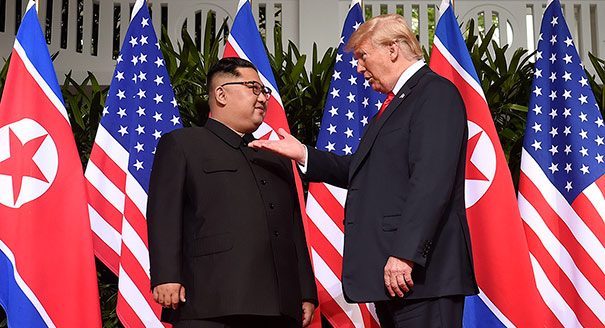
The summit of Donald Trump and Kim Jong-un in Singapore brought the Korean peninsula closer to peace, but it was more about symbolism than substance. Its most important outcome is to bring North Korea out of diplomatic isolation—something that is welcome to both China and Russia.