Carnegie Moscow Center


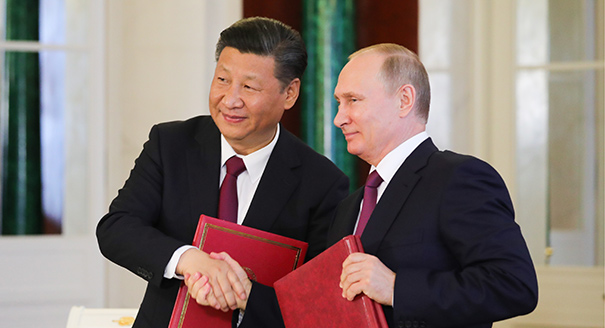
Now that Chinese big investment projects have all but dried up, Moscow risks turning its attention away from Asia. Once again, Russia may miss the opportunity to profit from one of the world’s largest markets—and an especially important one for Russia in light of continuing Western sanctions.
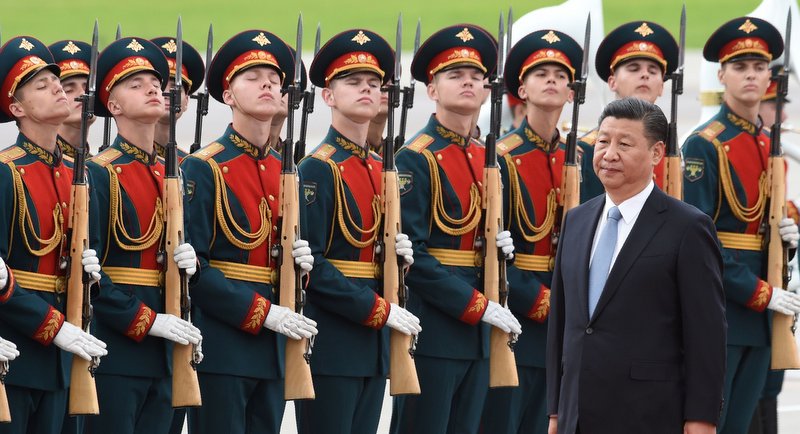
There may be tensions in the Beijing-Moscow partnership, but reverse migration trends among Chinese workers prove that worries about China’s potential conquest of the Russian Far East are unfounded.
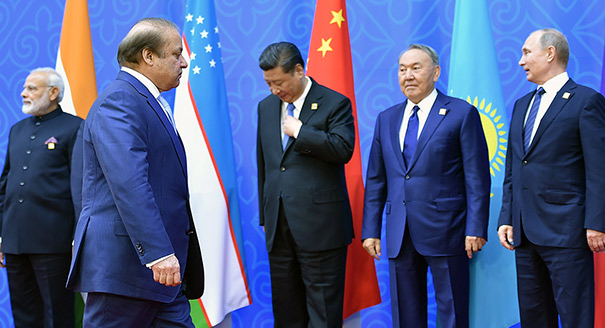
The Kremlin is still anxious about the expansion of Chinese influence in Central Asia, which is why it has turned the Shanghai Cooperation Organization, set up in order to work out widely accepted rules of the game for Eurasia, into a useless bureaucracy. Now, Beijing can develop relations with other SCO members without worrying about what Moscow thinks.
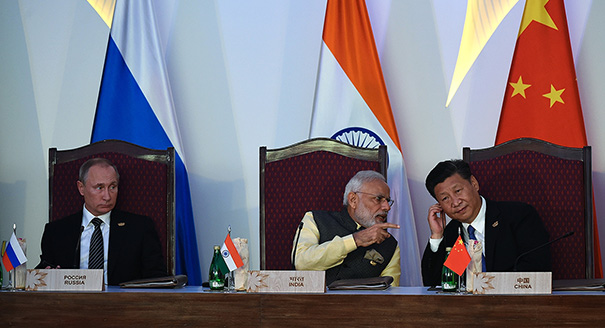
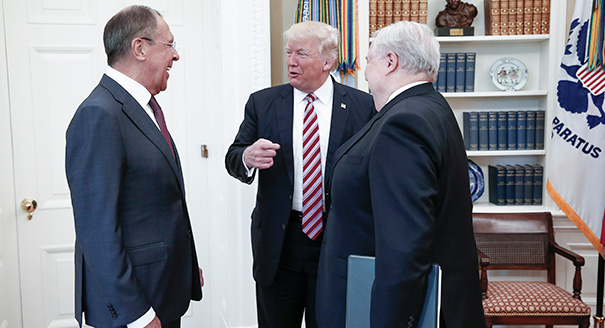
In its clumsy attempt to exploit the vulnerabilities of the Sino-Russian axis, the Trump administration misunderstands not only the strength of relations, but also its own desirability as a useful ally.

It will take years for Russia to increase trade with China. To do so, Russia will need to strengthen its institutions, overcome non-tariff barriers to the Chinese market, and enhance its reputation among Chinese investors.
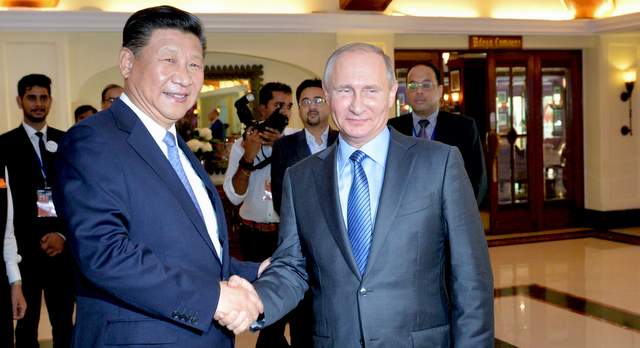
Sino-Russian relations do not constitute a new axis of like-minded authoritarian regimes that want to challenge the West by default. But it’s an example of how tactical and opportunistic cooperation of non-Western powers seeking to boost their influence on the international stage comes at expense of the Western-led international order.

The more realistic option would be increased information sharing between Moscow and Beijing on THAAD and the US military presence in Northeast Asia, as well as joint exercises like the one held in May 2016.

China and Russia are aligned on issues such as global governance and internet sovereignty, making it highly unlikely that U.S.-Russia relations will strengthen more than China-Russia relations over the coming years.
The “turn to the East” has dramatically changed Russia’s strategy towards China and many underlying assumptions. It has also dramatically influenced the mainstream analysis of Chinese security intentions in Northeast Asia. The influence of this major shift in national policy, as well as policymakers’ and scholars’ perceptions of China, was felt throughout 2015.