Carnegie Moscow Center


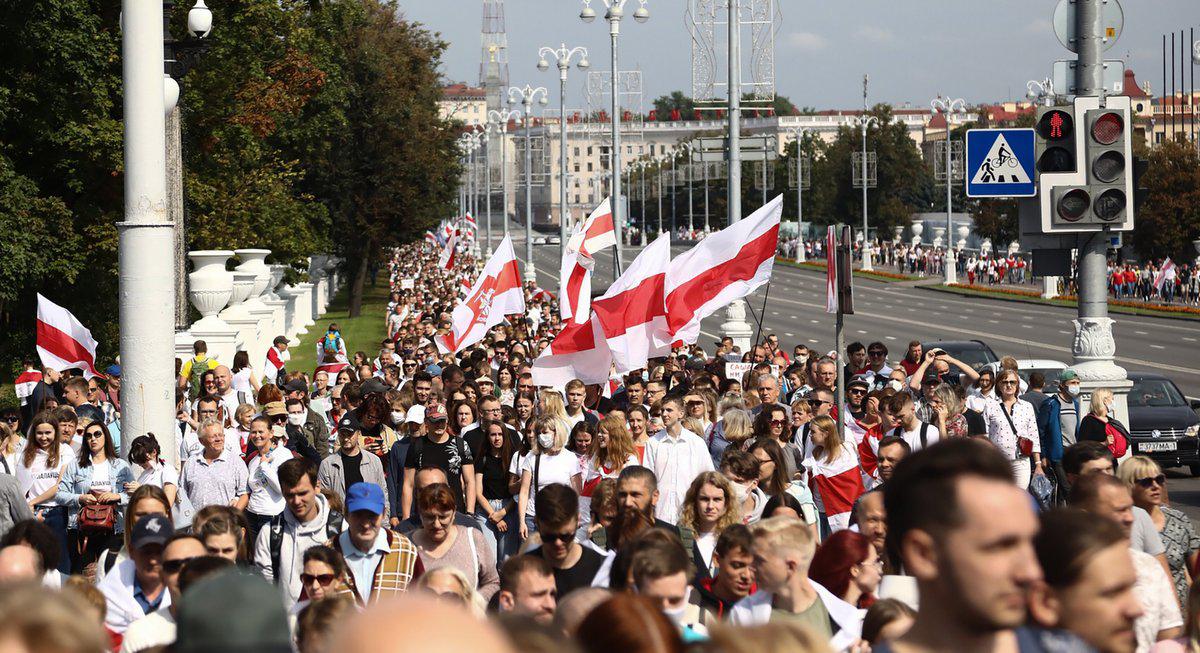
Massive and persistent, protests in the usually quiet country of Belarus have taken the world by surprise and suddenly brought the country to the centre of Europe's attention.

Both Russia and the West may be sick and tired of the mercurial Belarusian autocrat, but they still see him as the lesser evil.
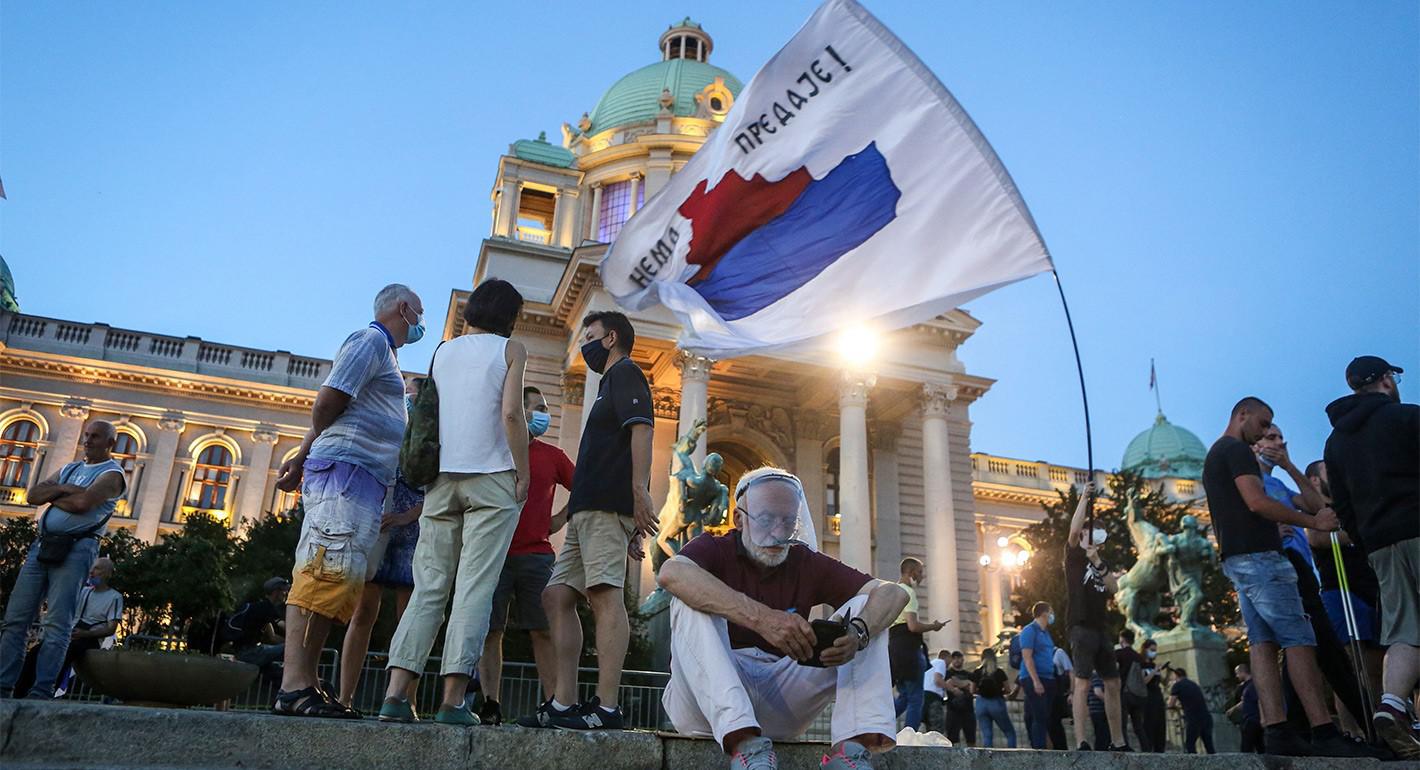
Serbia’s authorities broke an old taboo when they blamed pro-Russian radicals for instigating some of the recent violence in the country, and Russia-Serbia relations may never be the same again.
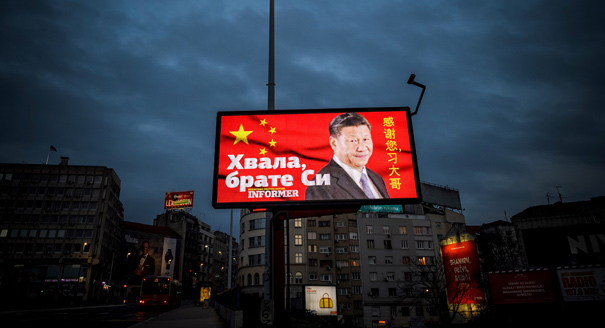
The enduring nature of the coronavirus pandemic promises to give the Kremlin a rare chance to convert its established assets in the Western Balkans into an ever-greater military role in a contested region.
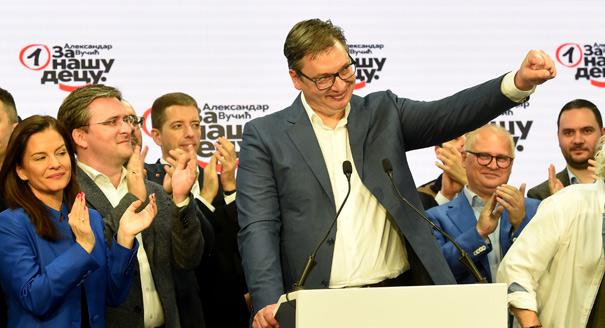
Moscow’s trump card in the Balkans is its right to veto Kosovo’s accession to the UN. A likely agreement between Serbia and Kosovo will leave Russia superfluous to requirements.
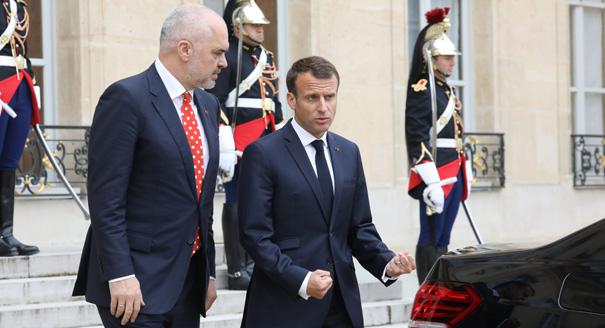
The concentration of pro-Russia gestures in the Western Balkans cement the impression that a major expansion of the Kremlin’s influence in the region is in the cards. But there’s another possible reading of the fallout from Macron’s high-handed behavior.
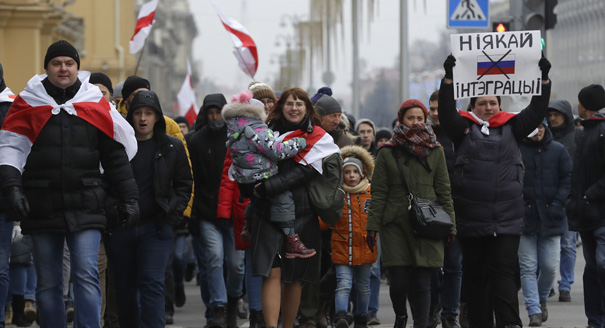
Russia needs Belarus and Lukashenko to serve as an alluring example to other post-Soviet rulers of how beneficial integration with Russia can be. As long as Moscow has the ambition of preserving its influence over the post-Soviet states, any Russian leader will need Lukashenko as a showcase ally.
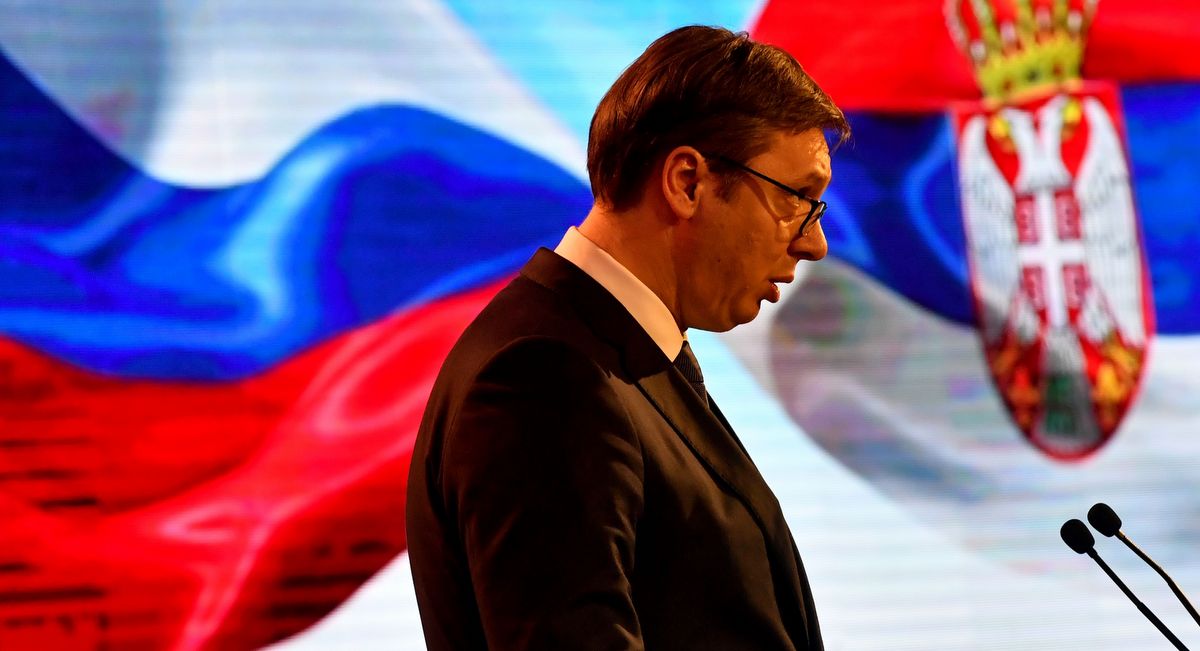
So long as Serbia does not formally recognize Kosovo’s independence, it must rely on Russia’s veto power in the UN Security Council. That dependency gives Russia a nontrivial degree of influence, both in the region and within Serbia itself.
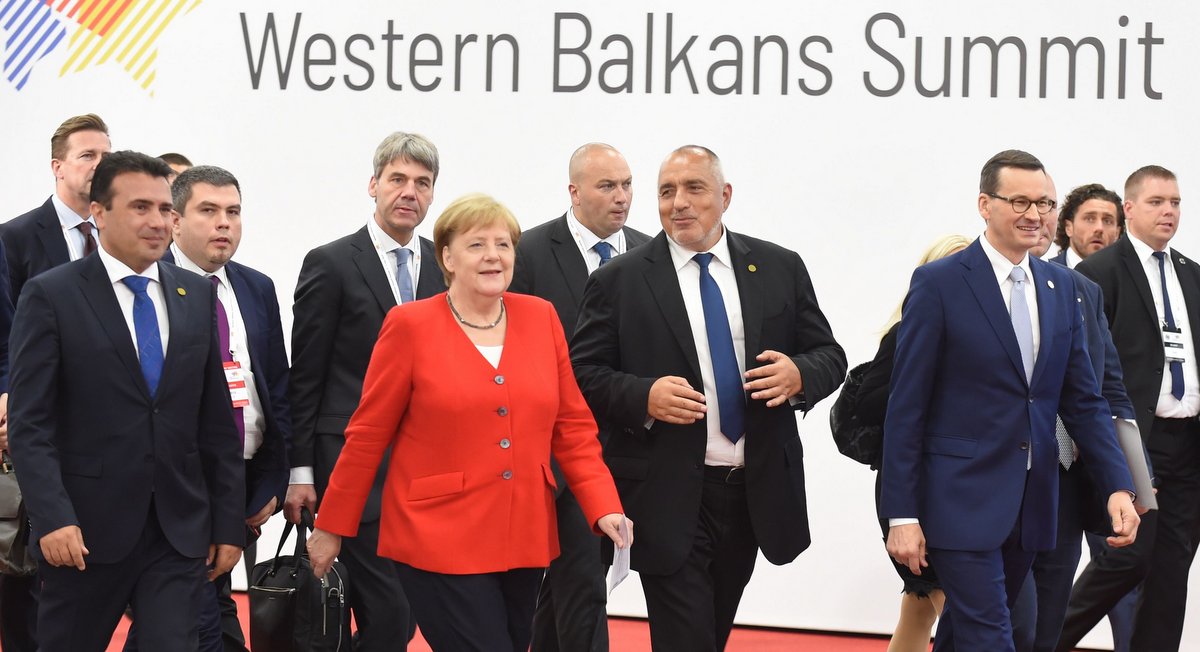
As European leaders make it increasingly clear that rapid EU membership for the Western Balkans is out of the question, there is speculation that other global powers may also reconsider their strategies in the region. Due to its longstanding ties with the Balkans and vast experience in meddling, Russia sparks particular fear in the West.
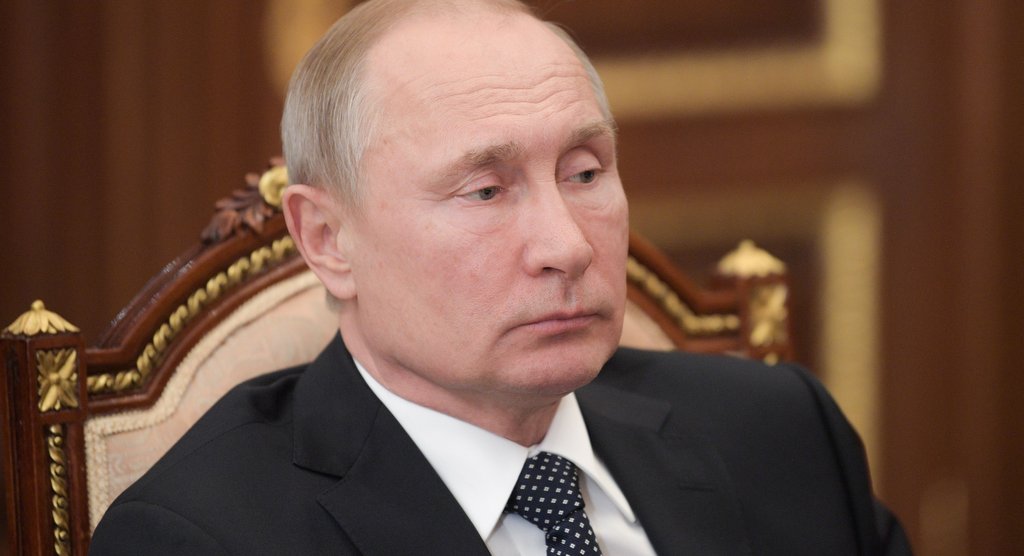
Moscow hopes the new European Parliament will take a softer line on rules and values that clash with Russian interests.