Carnegie Moscow Center


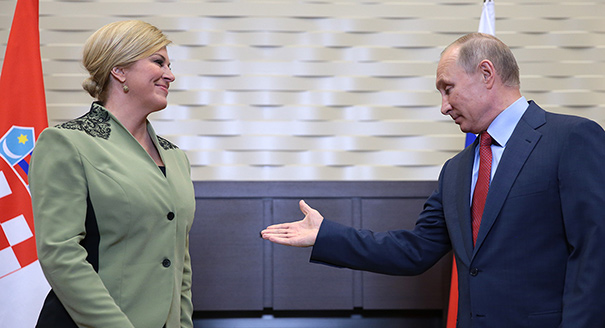
Despite a large-scale visit by the Croatian leadership to Russia, we shouldn’t expect breakthroughs in bilateral collaboration, or to see Croatia turn into a close Russian ally. Sanctions, falling oil prices, and long-term stagnation in both countries can’t be overcome by presidential meetings, and real economic ties between the two countries are still modest.
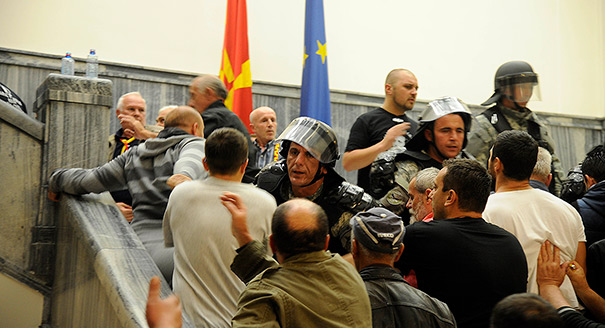
The main cause of the latest crisis in Macedonia is neither Russia’s machinations nor enmity between ethnic Albanians and ethnic Macedonians: it is the EU’s unfulfilled promise that Macedonia has a European future.
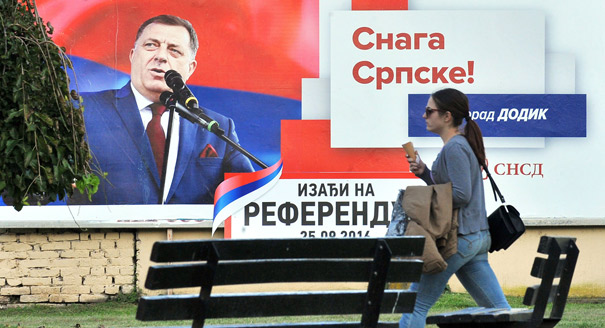
Moscow indirectly supported the recent Bosnian Serb referendum, not because it has an active new agenda in the Balkans but as a warning shot to the European Union.
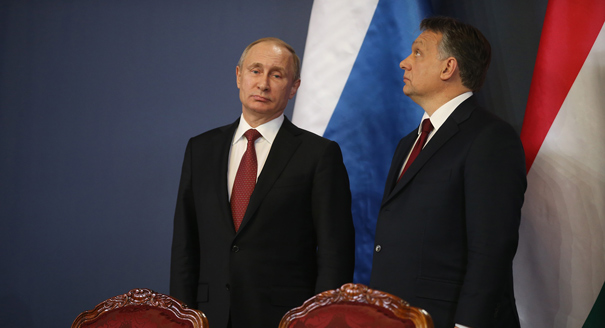
The Hungarian prime minister’s trip to Moscow was short on substance—despite loud declarations to the contrary. Even a risk-taker like Viktor Orban cannot afford to abandon the West to make separate deals with Russia.
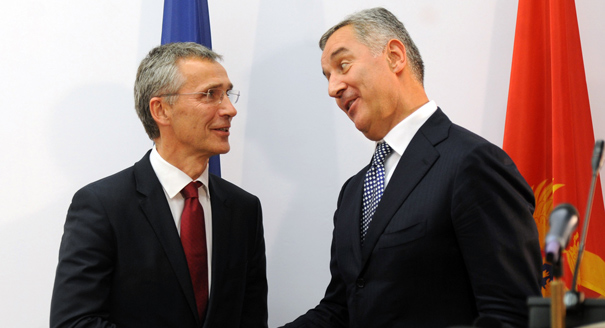
Montenegro’s veteran leader has maneuvered his country into NATO. Russia is upset, but unlikely to respond in a serious manner.
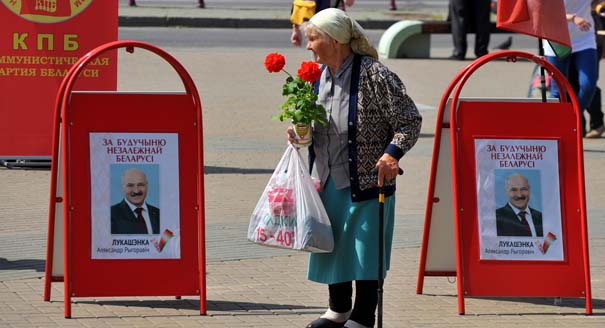
Recently re-elected Belarusian President Alexander Lukashenko is making maneuvers to get closer to the West and distance himself from Russia. But Moscow is not worried: it knows that his fundamental values differentiate him from Western countries.