Carnegie Moscow Center

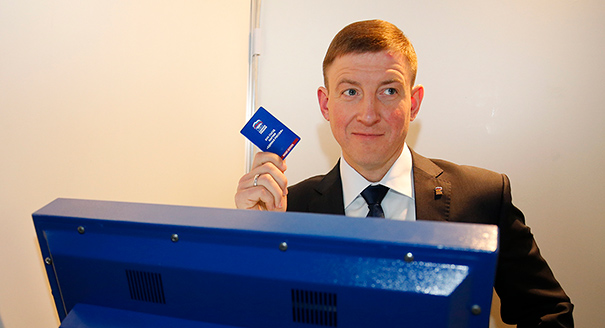
United Russia’s new leader, Andrei Turchak, is asserting the independence of the pro-presidential party as a distinct force in domestic politics. As the ruling regime’s power vertical begins to fragment, United Russia will now seek to take credit for its own contribution to Vladimir Putin’s victory.
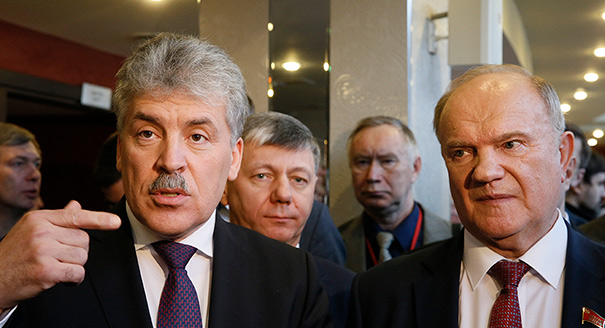
The Communist Party’s new presidential candidate is far from a dull apparatchik. He’s a populist whose criticism of the authorities can appeal to different electoral groups. There has always been a demand for populism in Russia. If Pavel Grudinin can run an effective campaign—and his previous political experience suggests he can—it could lead to serious changes in the Russian political landscape.
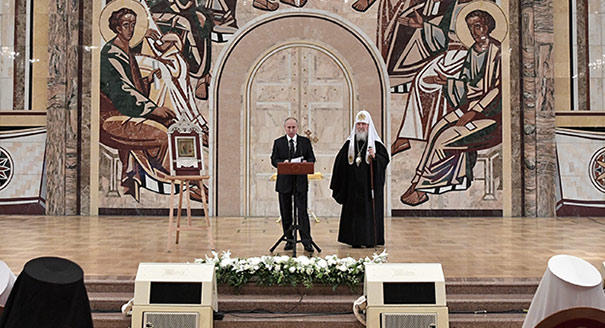
The president’s speech at the Bishops’ Council will only exacerbate disagreements over the future of the Russian Orthodox Church between—and among—religious and secular Russians. The secular community feels he is drifting toward the church, while many in the religious community believe he is trying to establish government control over church activities.
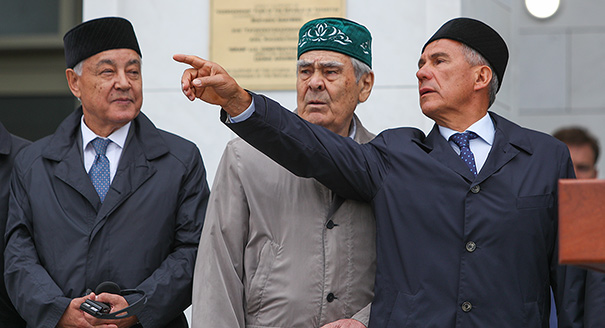
Russian regional leaders are rediscovering their power and their ability to fight with Moscow over budgets and autonomy. Discontent over Moscow siphoning off regional funds has reached a breaking point, while Tatarstan is in a new contest with the center over regional language rights.
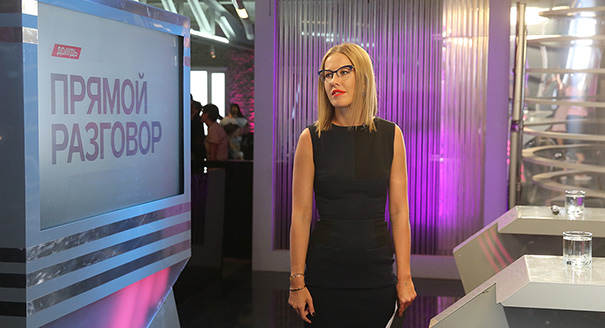
The possibility of TV anchor Ksenia Sobchak as a presidential candidate has morphed from the dream of one of Vedomosti’s Kremlin sources into a political fact and a model for all of Russian politics. It demonstrates the strategy and working style of the president’s administration and of Alexei Navalny, as well as the demand for any candidate other than Vladimir Putin.
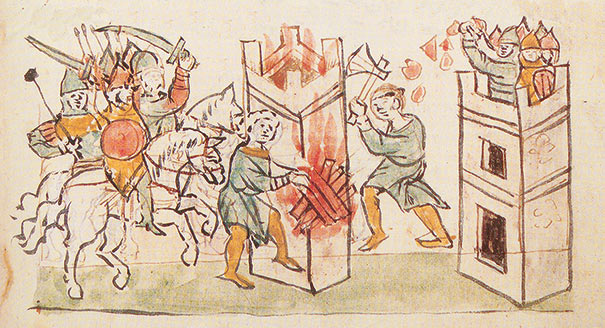
The Kremlin may refrain from curbing ultraconservative activism and Kadyrov’s insurgence because it is afraid of losing popular support. But perhaps more likely is that the regime fears engaging its supporters, as they may prove to be more powerful. The growing strength of radical actors has collided with an impotent regime and generated demand for an alternative force, creating an opening for the opposition.
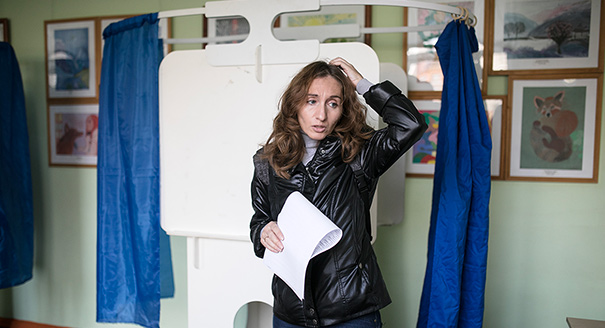
Russia’s recent regional and municipal elections saw an increase in voting by the reform-minded minority and a decrease in voter turnout among Putin’s former majority. However, the Kremlin chooses to ignore these trends, turning a blind eye to the possibility that the active minority and the discontented passive majority may eventually meet.
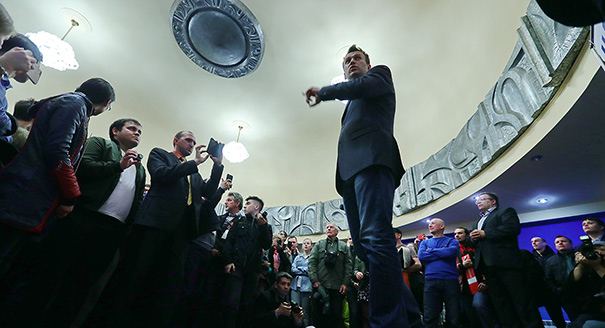
Is opposition leader Alexei Navalny a “Kremlin project,” a “future tyrant,” or “Russia’s only hope?” Conversations about Navalny often proceed along these moral lines, though it is Navalny’s practicality—especially in the technological realm—that has been the driving force of his popularity.
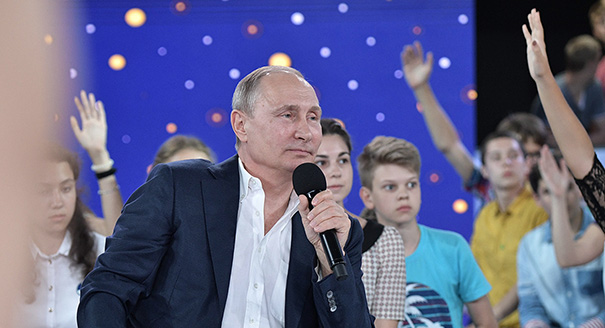
Vladimir Putin’s recent conversations with “ordinary Russians” are not an attempt to engage in direct democracy. Rather, they are intended to present the president with a new, artificial image of the Russian people; Kremlin officials are manufacturing conversations in which ordinary Russians are shown to be concerned with the same issues as their president.
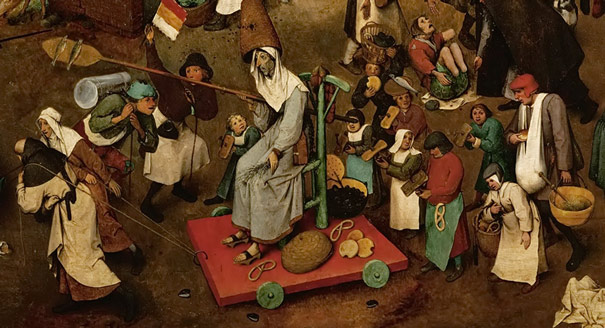
The demise of pragmatic politics will only amplify discontent with the regime and benefit populist opposition politicians. The public will no longer tolerate the regime’s strategy of tackling material problems with spiritual discourse, and will demand immediate practical solutions. As public discontent with the old regime grows stronger, new politicians will have an easy time promising quick material gains.