Carnegie Moscow Center

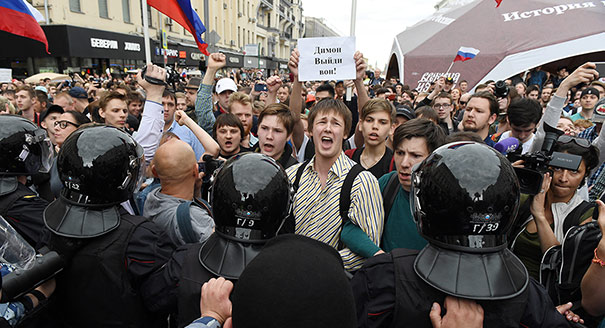
Russians are engaging in increasingly confrontational forms of protest, choosing to voice their discontent with the regime at unauthorized rallies rather than at state-sanctioned gatherings. As arrests and restrictions on civil liberties mount in response to the rallies, the authorities will seem ever more hostile and unjust.
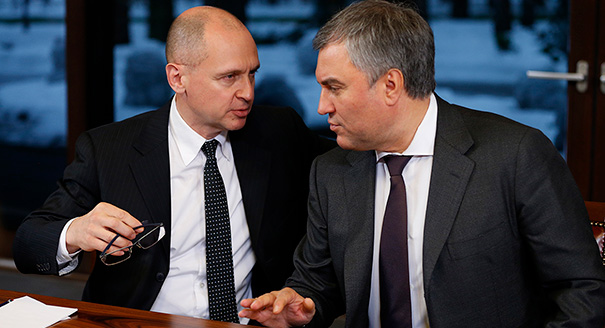
The State Duma has joined the presidential administration as the second source of power in Russian domestic policymaking, and the tension between the two is threatening to open up a rift in Putin’s power vertical.
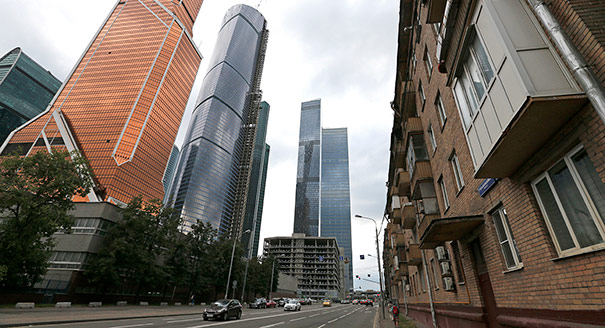
The authorities are in a no-win situation as a result of their unpopular plans to demolish five-story residential buildings in Moscow. If they stick to their guns, angry urbanites are bound to take to the streets in protest. If they yield to public demands, they’ll demonstrate the effectiveness of mass protests.
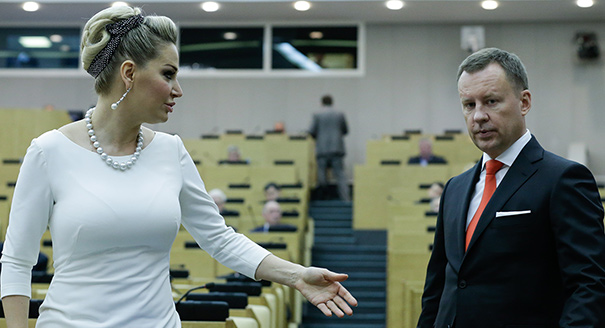
The world will see the Kremlin as the culprit whether or not Denis Voronenkov’s murder is ever solved: for too long, Russian authorities have portrayed their country as one that doesn’t hesitate to violate every international norm—including by murdering their own citizens abroad.
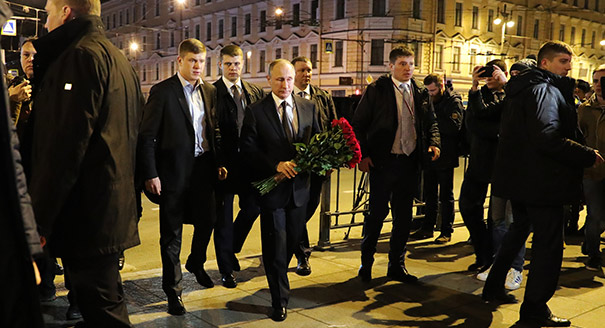
There is a broad consensus in Russia that the Kremlin’s hardline stance on terror has kept Russians safe from attack. This guarantee of security has allowed authorities to ignore a host of social and economic problems. But there is a significant downside to this model: any attack on Russian soil begins to erode the underpinnings of the Kremlin’s social contract.
Revitalizing regional governance will only be possible if the Kremlin changes federal budget appropriations to benefit the provinces in addition to appointing ambitious young governors. Recent gubernatorial appointments should thus be seen as little more than a shrewd PR move by Deputy Chief of the Presidential Administration Sergey Kiriyenko and his team.
Instead of consolidating in the run-up to the 2018 presidential election, Russian elites have started making the structures they manage more autonomous. Uncertain about the future of the system, governors, directors of state-run enterprises, and heads of state bodies are carving out their own personal empires. Once centripetal, the Russian political system is now governed by centrifugal forces.
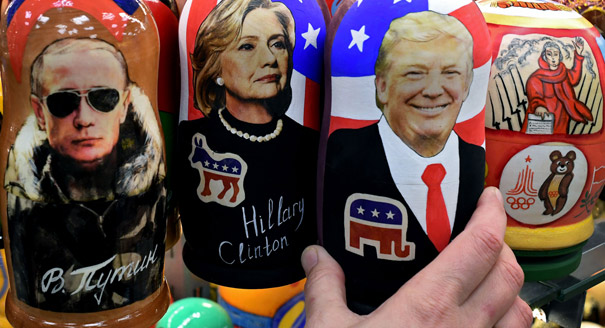
Russia’s propaganda masters didn’t expect Trump to win. State media outlets praised him every which way and painted him as a good friend to Russia, unofficially backed by the Kremlin. But the idea was that Trump would be cheated of his victory in yet another example of how great a role Putin plays on the world stage and how unscrupulous the American elite is.
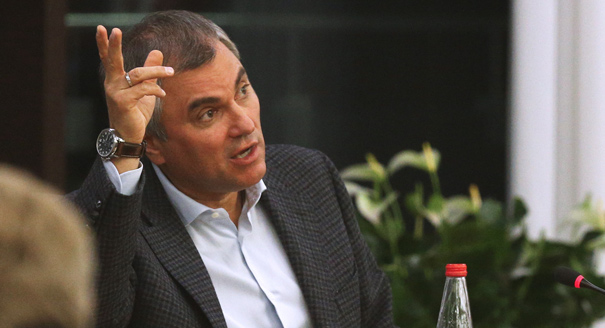
The political system Volodin leaves behind—that is, a system without any real politics—allows the regime the illusion of control. But the system’s domain has been all but reduced to the tiny world of politicians who agree to the Kremlin’s rules. Activists, ambitious players, and most importantly Russian citizens find themselves outside the bounds of politics.
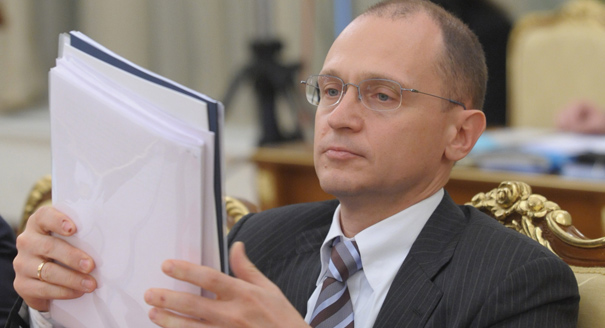
Many say Sergei Kiriyenko, the new deputy chief of staff of the presidential administration, is a technocrat who was brought in to manage a well-established political system. But there’s more to Kiriyenko: like other disciples of the philosopher Georgy Shchedrovitsky, Kiriyenko believes that reality can be altered and society programmed.