Carnegie Moscow Center


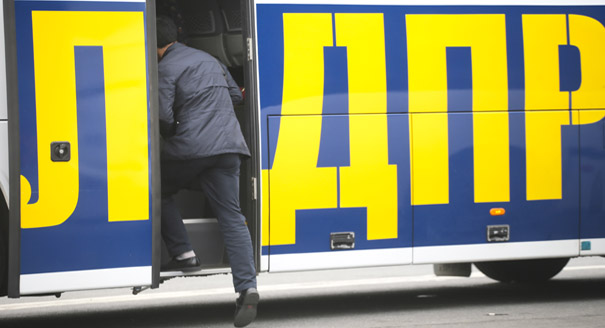
There is a new political majority in Russia. It doesn’t believe in the country’s rulers, its opposition, or its institutions. This nameless, voiceless majority is characterized only by general discontent; it knows only what it stands against.
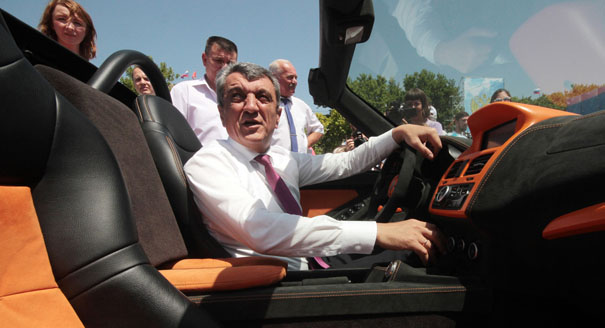
President Putin has appointed military and security strongmen to be governors in three regions and removed an unpopular local leader in Sevastopol. He wants to tighten control ahead of the parliamentary elections.
The Russian electorate has regressed in its demands and gullibility to where it was in the early 1990s, when firebrand politician Vladimir Zhirinovsky had his first success. Russian society has a soft spot for wisecracking politicians who give populist speeches and bash the government, even if they tend to contradict themselves.
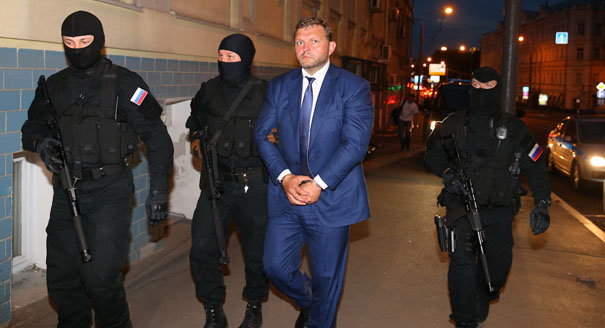
The timing of the very public arrest of Kirov region governor Nikita Belykh for corruption is opportune: the Duma election campaign is about to start, and the fight against corruption will be useful. Belykh—a liberal in government—is a convenient target: he held a prominent position and yet he was extraneous to the overall political system
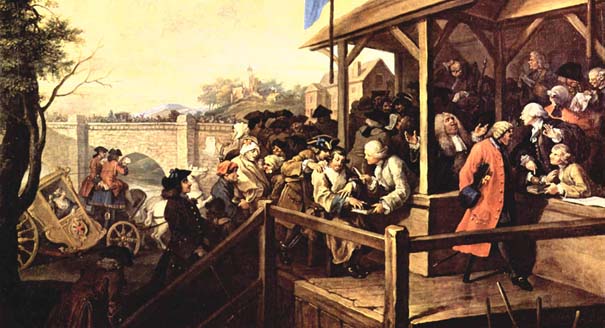
The primaries have once again highlighted the Kremlin’s domestic policy tactics. First, the administration announces a large project, makes promises, and even begins to deliver on them. Then, fears of failure and loss of control set in, and all work grinds to a halt.
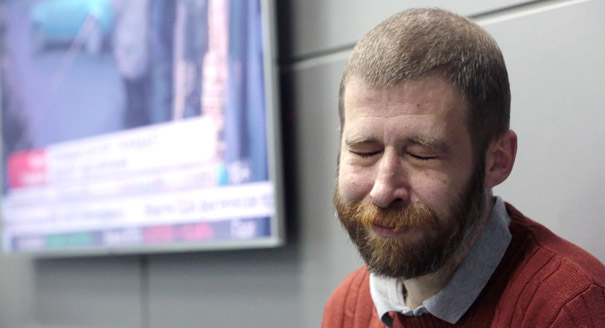
The RBC media group had developed a distinctive line in investigative fact-based journalism, which was much more dangerous to the authorities than radical opinions. It could no longer be tolerated by the Kremlin or supported even by its liberal oligarch owner.

It did not need the intervention of the Kremlin for Russia's liberal opposition alliance to fall apart. A clash of personalities and ambitions looks to have doomed the alliance before the parliamentary election campaign has even got underway.
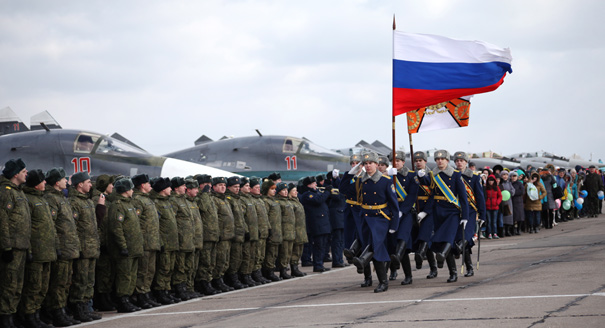
Russian television has thrived for months on a diet of victories in Syria. Now that the time has come to spin the news of a withdrawal, the argument is being deployed that it is best to avoid a second Afghanistan. Better still, the exit is being presented as another case of Russia outsmarting the United States.
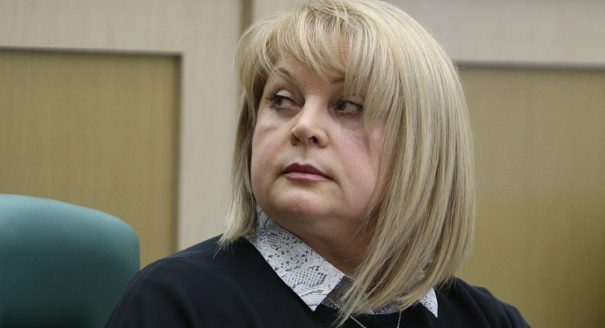
Numerous clever tricks and a slew of political parties loyal to Russia’s government now ensure the “right” election result long before any votes are cast. And this means that the election count can be shown to be fair, and at the same time managed by individuals who are widely trusted and respected.
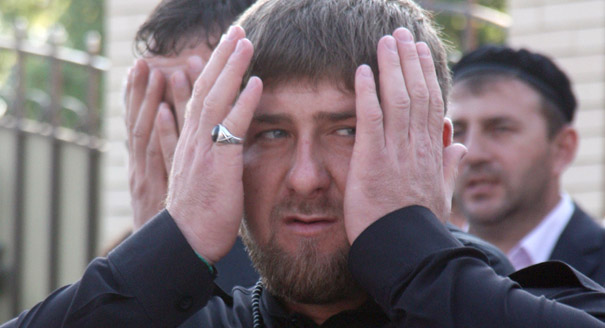
Pro-Moscow Chechen leader Ramzan Kadyrov has begun 2016 by picking fights with Russia’s opposition. Although they see it as a sign of his political strength, the new row reveals his weakness: Kadyrov is anxious to get renewed political and economic support from the Kremlin for Chechnya’s “special status.”