Carnegie Moscow Center

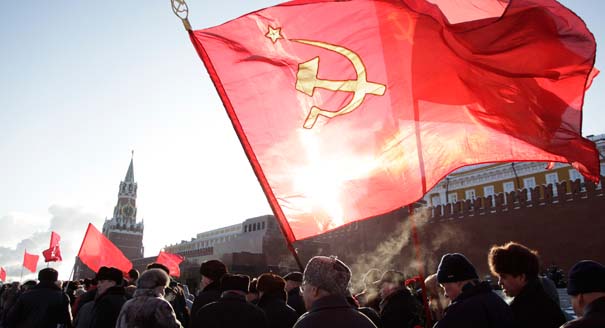
The use and misuse of history as a tool for political competition and control has become an increasingly visible phenomenon in public and political life in Russia and other post-Soviet countries over recent years.
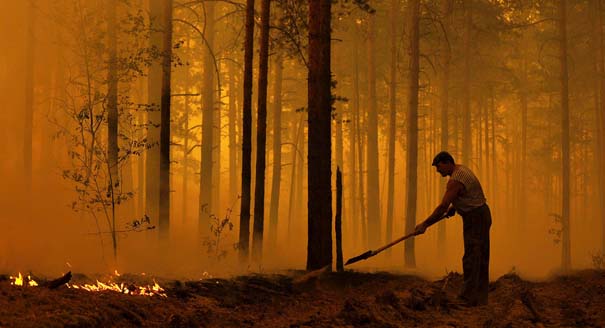
The young urban Russians who took part in wildfire rescue efforts after the authorities proved inefficient and unprepared are the genuine force for modernization and democratization in the country.
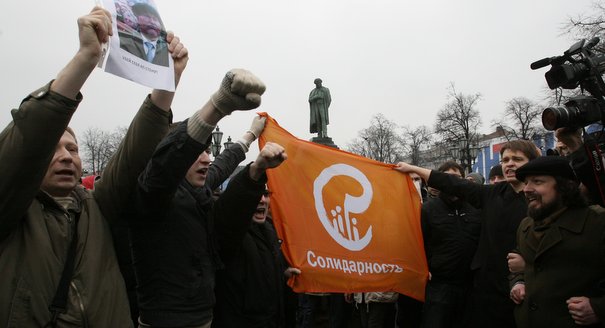
Recent rallies staged by a group called Strategy 31, demanding that the Kremlin respect the constitutional right of freedom of assembly, have demonstrated the Russian government’s discomfort with unsponsored political activism.
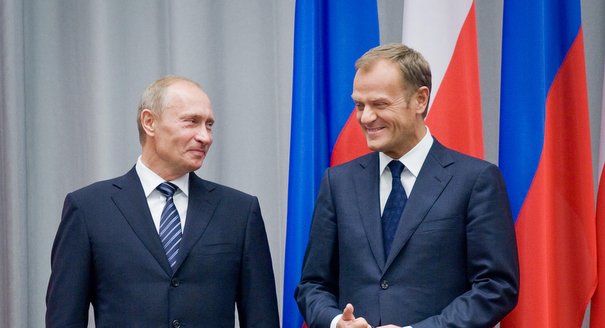
The tragic death of the Polish president might give Poland and Russia a chance to move beyond their historical animosity, but it will still take hard effort on both sides to break away from the past and at long last come to terms with each other.
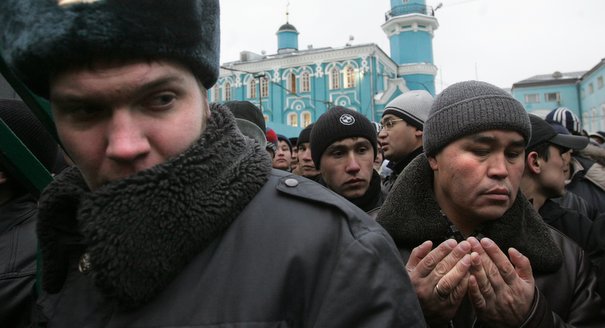
Terrorist threats in Russia require a long-term, consistent strategy. But Russia's system of heavy-handed and unaccountable governance precludes strategic thinking.
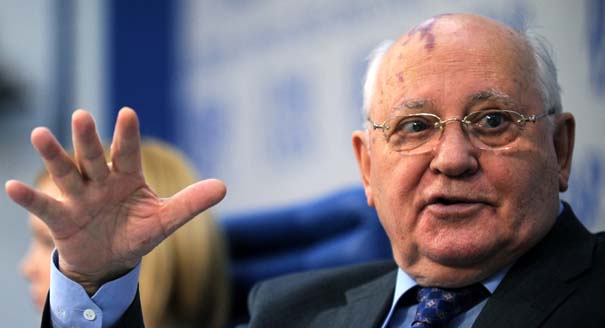
The individual freedoms and economic freedoms achieved during the perestroika years still exist in modern Russia, but the democracy sought by Gorbachev and his allies has been replaced by a paternalistic state.
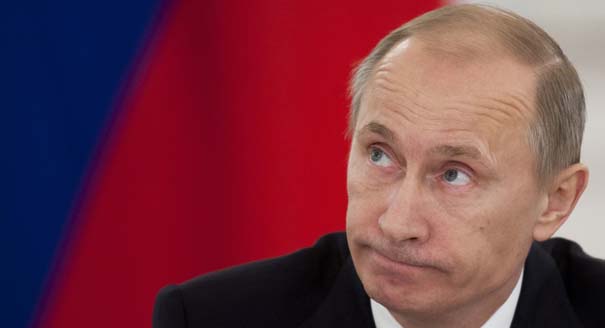
While autocratic governments that incorporate elements of democracy may be stable in the short term, such systems cannot be sustained in the long term. In Russia’s case, the system is unlikely to survive Putin himself.
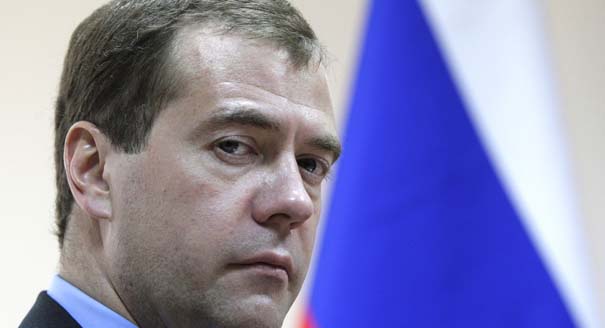
Recently, calls for Prime Minister Vladimir Putin’s resignation were heard at rallies in different parts of Russia. Although unrelated, these gatherings underscore the growing cracks in the Kremlin’s political system of centralized power, opaque decision-making, and unaccountability.
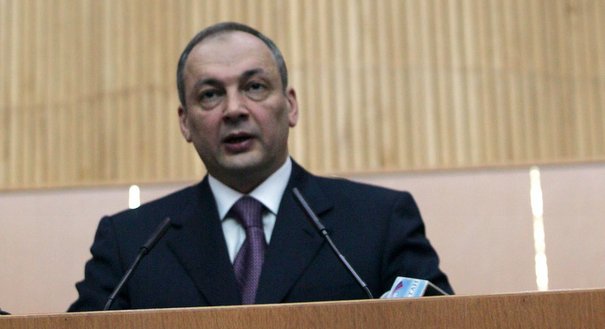
The Republic of Dagestan is becoming increasingly unstable, partially caused by a Russian policy of neglect, appointing only leaders loyal to Moscow. Severe economic problems and radical Islam also contribute to the violence.
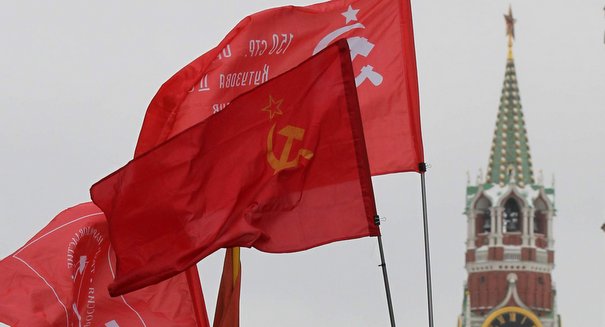
The Russian perception of Stalin and his crimes has more to do with the nature of Russian statehood than with the monstrous actions of the man himself.