Carnegie Moscow Center

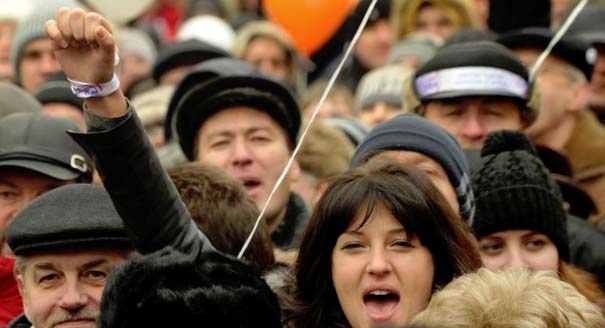
The latest anti-government protest in Moscow on February 4 is further evidence that Putin's legitimacy is slowly eroding.
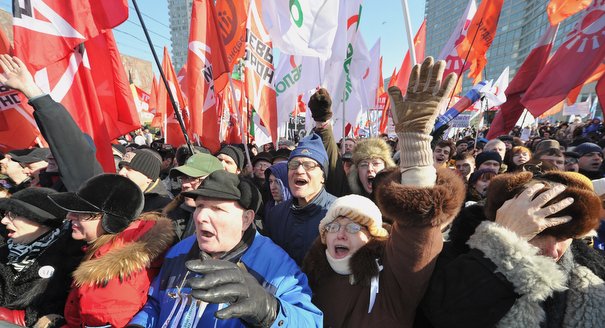
If the growing Russian popular movement remains committed and tenacious, organized political challenges to Vladimir Putin’s power will eventually follow.

Tens of thousands of Russians took to the street in protest over voter fraud allegations in the country’s parliamentary elections. It remains to be seen what this public response and the election results will mean for the country’s future.
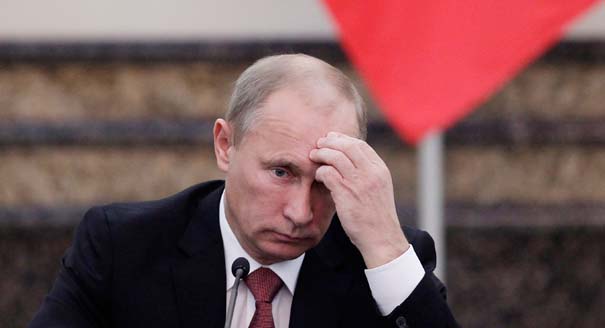
The recent elections in Russia saw a serious setback for the ruling United Russia party, reflecting the growing discontent of the country’s citizens.
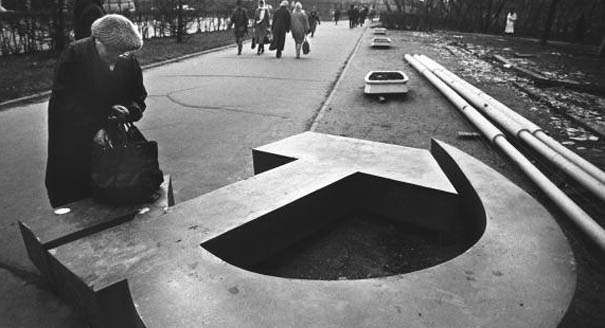
While the end of communism did not bring about an end of state paternalism or uncontested governance in Russia, the country’s post-communist development has led to a number of legitimate individual freedoms and the rise of a consumer society.
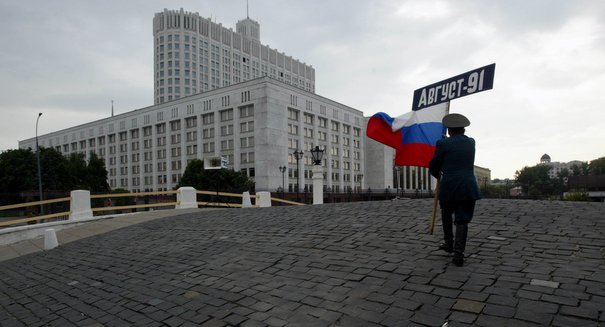
Although a number of secret Soviet archives have been opened to researchers and the media, the revelation of their content has had a limited impact on popular understandings of Russian history.

While Russians are increasingly calling for political reforms, the high price of oil allows the Kremlin to increase social spending and avert broad public discontent for a while longer.
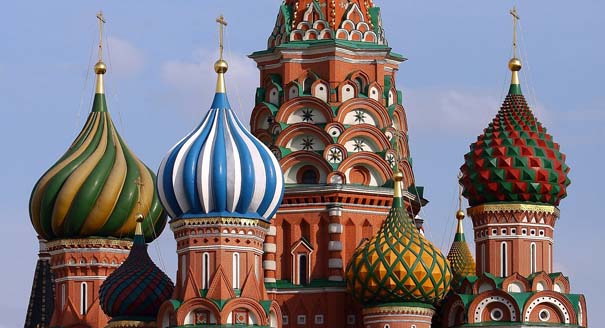
The Russian authorities maintain a monopoly on political power and governance, and although there has been some movement in Russian civil society toward community building and activism, this activity remains fragmented and localized.
Elements of the Soviet political order remain deeply embedded in modern Russian politics, regardless of whether Lenin’s body remains in its mausoleum in Red Square.
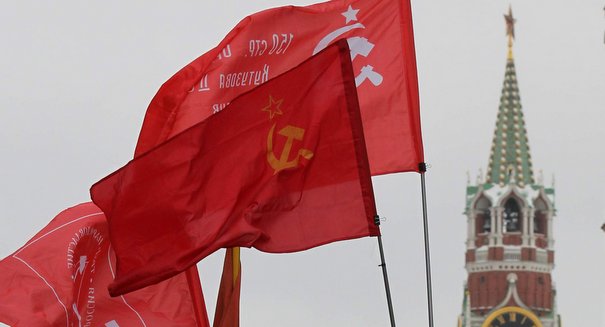
For Russia to truly break free of Stalin’s legacy, it must not only recognize Stalin’s crimes but also end the historical and political immunity of state security and reinvent Russian national identity.