Carnegie Moscow Center


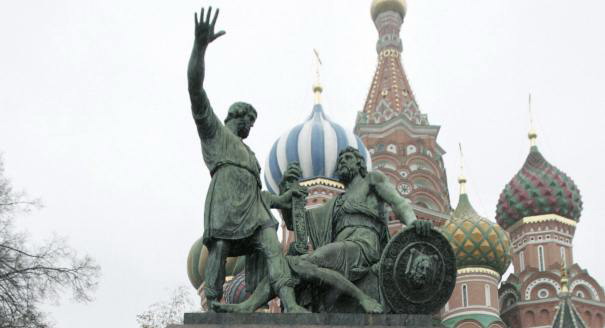
The meaning of the June 12 holiday remains murky and the nation’s leadership is evasive on what we are actually celebrating. No wonder that less than half of the Russians polled in 2012 knew even the name of Russia’s major national holiday.
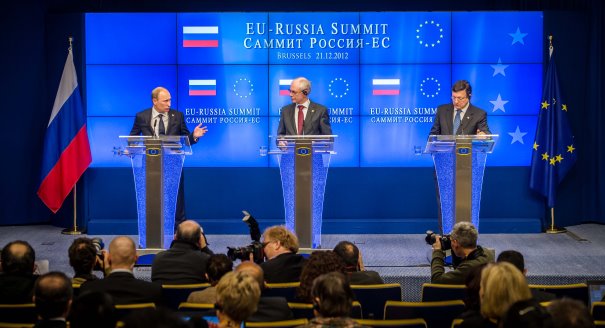
In order to develop an effective strategic approach toward Russia, Europeans must deepen their understanding of the changing Russian realities.
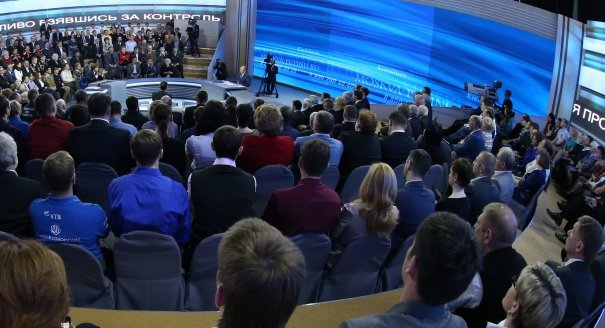
Following Putin’s re-election, Russia faces two more key junctures that could shape the country’s future. The Kremlin will have to deal with limited revenues and it faces another election cycle in 2016-18.
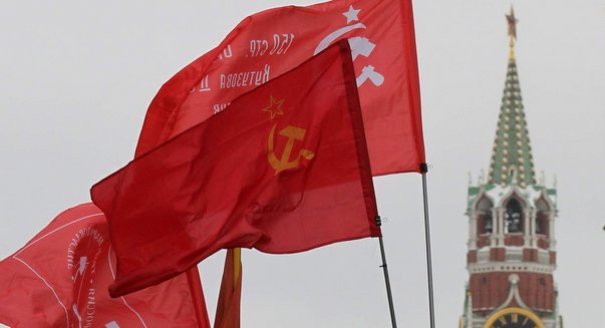
A true de-Stalinization process in Russia will require no less than a reinvention of Russian nationhood based on a rejection of the traditional concept of the state, an end to the political and historical immunity of the secret police, and the emergence of a concept of "we, the people."
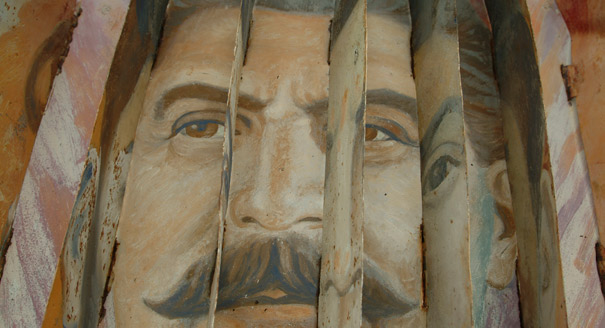
Joseph Stalin, the Soviet leader responsible for the deaths of millions, still commands worryingly high levels of admiration in some post-Soviet countries.
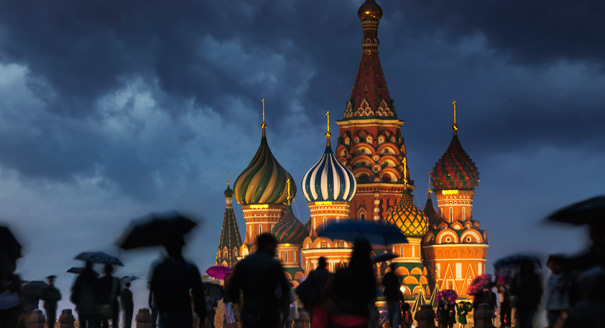
Russian society is waking up and pushing back against Putin’s brand of authoritarianism, with the potential to bring about a transformation of the system into one based on the rule of law.
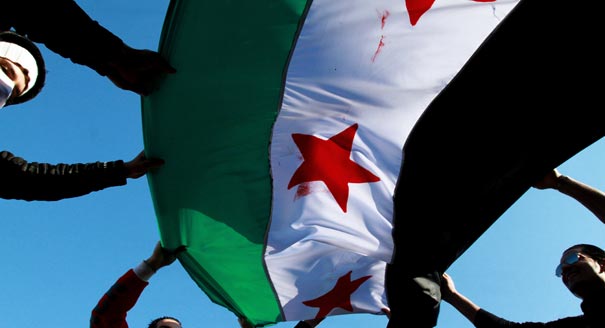
Liberating itself from an authoritarian regime and overcoming internal differences is a formidable task for any nation, but outside intervention hardly makes it easier.

To forge an effective partnership with Moscow, the EU must first understand Russia’s political, economic, and security designs, and how best to deal with another round of Putin.
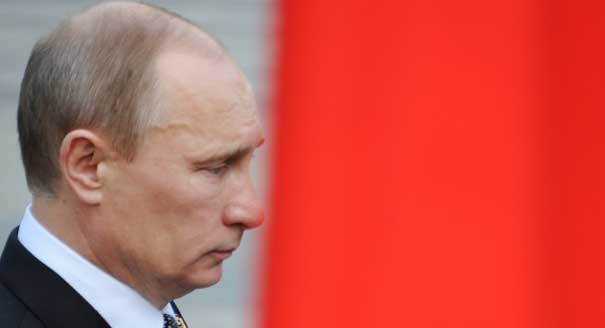
Putin remains the most powerful man in Russia, but the rallies, while failing to yield immediate political change, signal that serious societal shifts are underway.
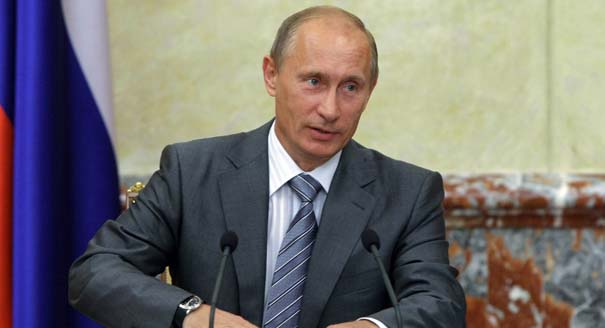
Vladimir Putin is expected to win Russia's presidential election on March 4, but growing popular alienation is likely to erode his power.