Carnegie Moscow Center


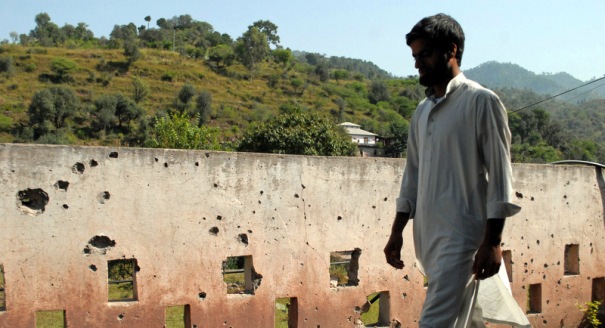
Russia certainly seeks to further its strategic partnership with India and to continue to develop its relations with Pakistan. However, its moves will face growing mistrust in New Delhi and Islamabad if Moscow remains silent on South Asia’s hot-button issues.
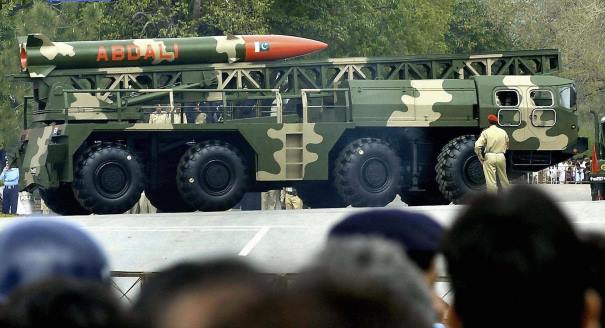
South Asia is more vulnerable to a possible nuclear conflict than any other region. It is necessary to take a number of urgent steps to stabilize relations between India and Pakistan and prevent a nuclear threat.
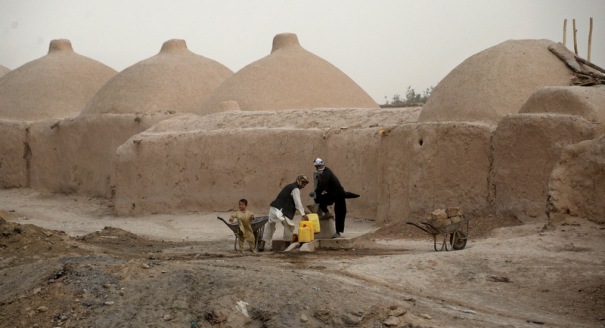
If common sense prevails and the West resumes its cooperation with Russia, the consolidated response to security threats in Afghanistan will be far more effective than the current disjointed efforts by various countries.
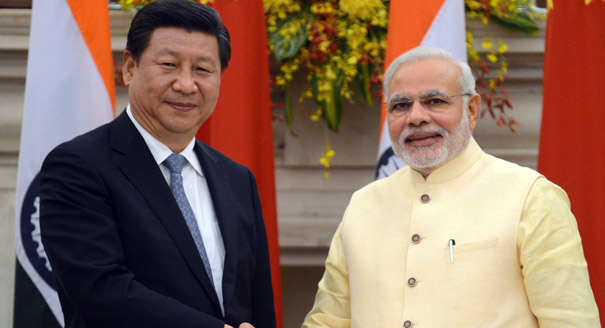
Moscow’s military-technical cooperation with both New Delhi and Beijing means that Russia cannot stand apart from Indian-Chinese disagreements.
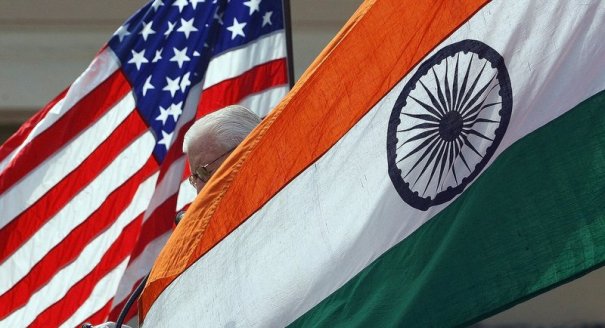
Indian and U.S. leaders recently discussed military-technological cooperation. Time will tell whether the countries will be ready to transform their cooperation by translating words into actions.
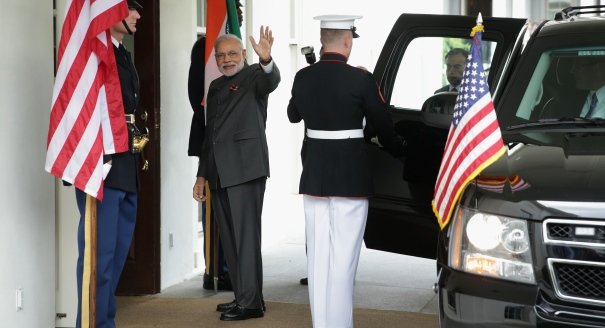
Although the relationship between India and the United States should be viewed indifferently by Russia, Moscow needs to pay attention in order to learn from and not repeat mistakes made by New Delhi and Washington.
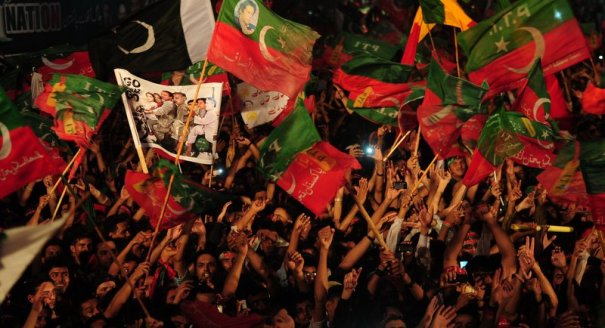
Pakistan has been in turmoil for more than 40 days: protests headed by Imran Khan and Tahir-ul-Qadri have taken the country by storm. Yet the protest movement seems to be running out of steam. The weakening of the protest movement has much to do with Prime Minister Sharif’s decision not to crack down on the protests.
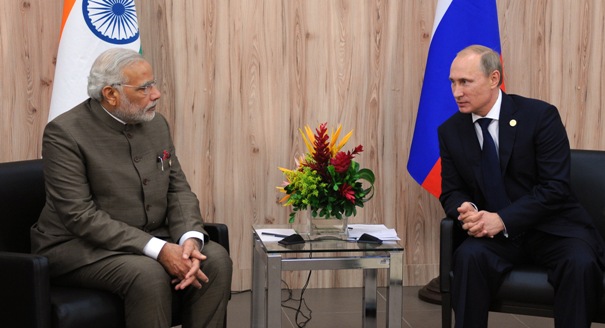
Narendra Modi’s and his associates’ foreign policy experience will guide them toward a balanced policy in which Russia will play one of the key roles.
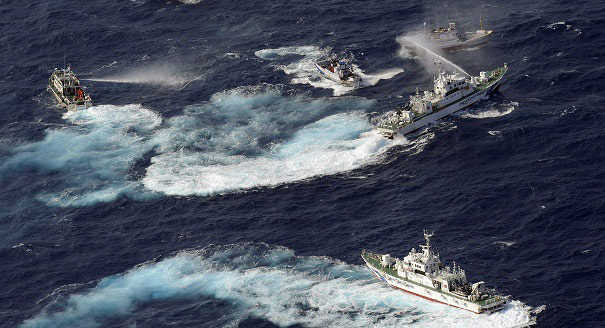
An important obstacle to the escalation of tensions in the Asia-Pacific region is the position of third-party countries, including Russia, which is interested in developing relations with China and also its neighbors.
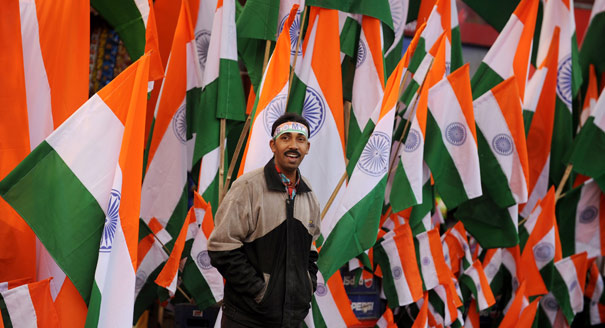
With Prime Minister Narendra Modi coming to power in India, both Russia and the United States are hopeful that they can influence the new foreign policy agenda in India.