Carnegie Moscow Center



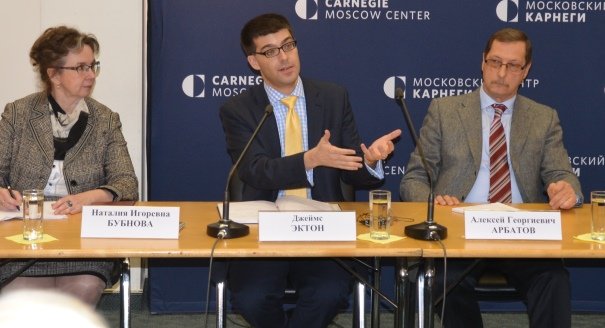
Please join us for a conversation with Carnegie Nuclear Policy Program James Acton and Pranay Vaddi, as they share insights from their new report: “A ReSTART for U.S.-Russian Nuclear Arms Control: Enhancing Security Through Cooperation.” They will be joined by Alexei Arbatov, and Rose Gottemoeller as moderator.
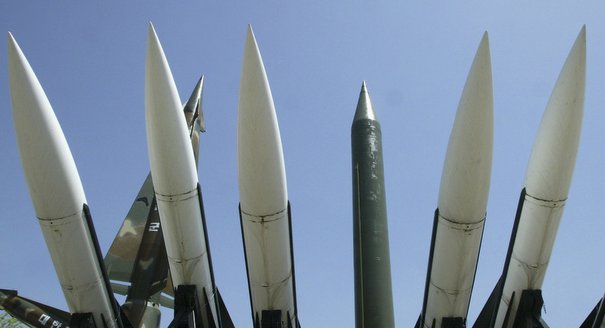
The risk of a nuclear war is rising because of growing non-nuclear threats to nuclear weapons and their command-and-control systems.
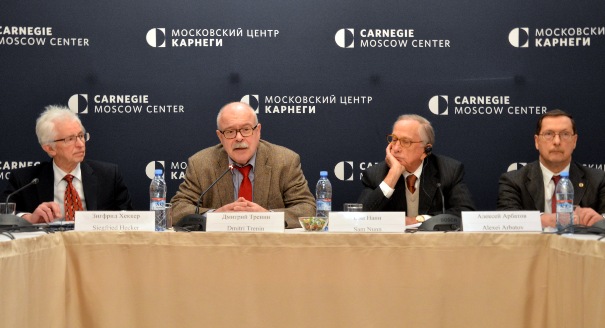
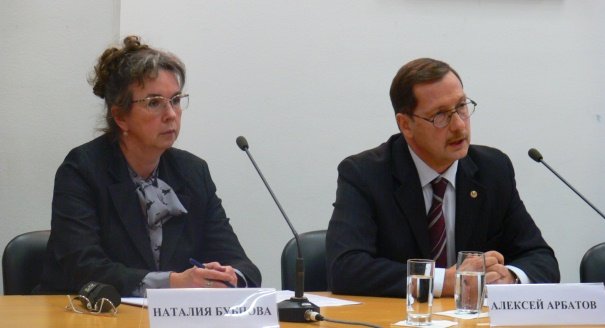
On February 24, Carnegie Moscow Center’s Nonproliferation Program hosted a roundtable focused on the past, present and future of U.S.-Russia nuclear cooperation.
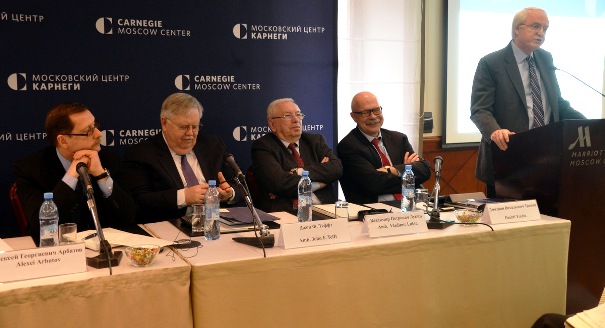
The Carnegie Moscow Center organized a conference to discuss the experience of Russian-American alliance during the Second World War, as well as the experience of cooperation and rivalry after the end of the Cold War.
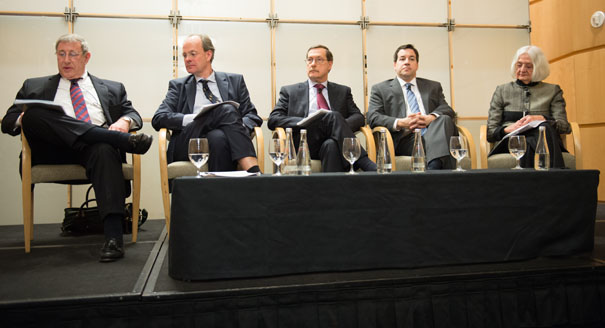
What is the future for the INF Treaty and other existing bilateral security agreements? Are there any opportunities for moving the U.S.-Russia arms control agenda forward in the next two years? | AUDIO | TRANSCRIPT
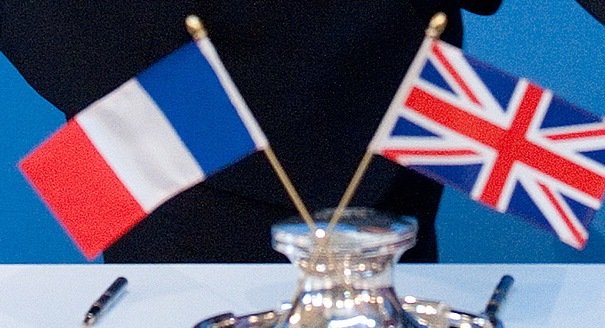
Alexei Arbatov and James M. Acton debated the prospects of French and British involvement in nuclear disarmament, as well as the concept of a voluntary transparency regime.
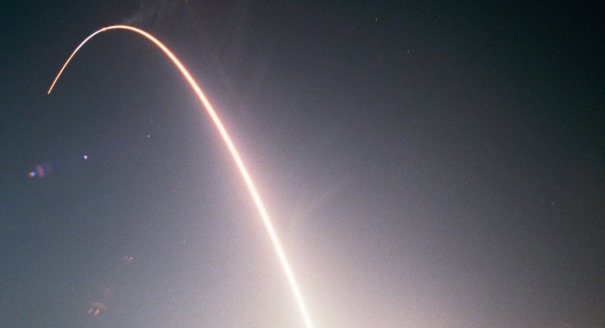
James M. Acton visited the Carnegie Moscow Center to present his most recent report Silver Bullet? Asking the Right Questions About Conventional Prompt Global Strike (2013). Alexei Arbatov participated.
The development of non-nuclear weapons that can strike distant targets in a short period of time has been a U.S. goal for over a decade now.
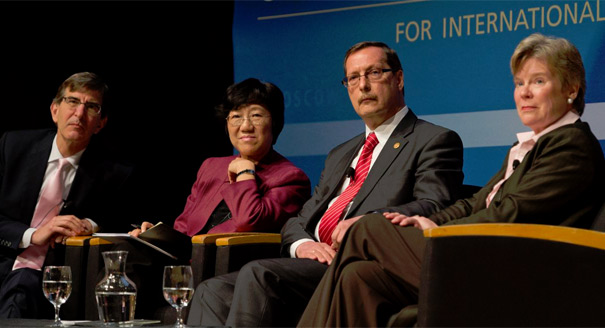
What evidence exists that other leaders share Obama's interest in the Prague agenda? What can be done to reinvigorate reciprocal progress on nonproliferation and disarmament?
Russian-U.S.-Chinese relations in the sphere of strategic stability are becoming a popular topic of discussion among politicians, but analytical research on the topic is still in its beginning stages.