Carnegie Moscow Center

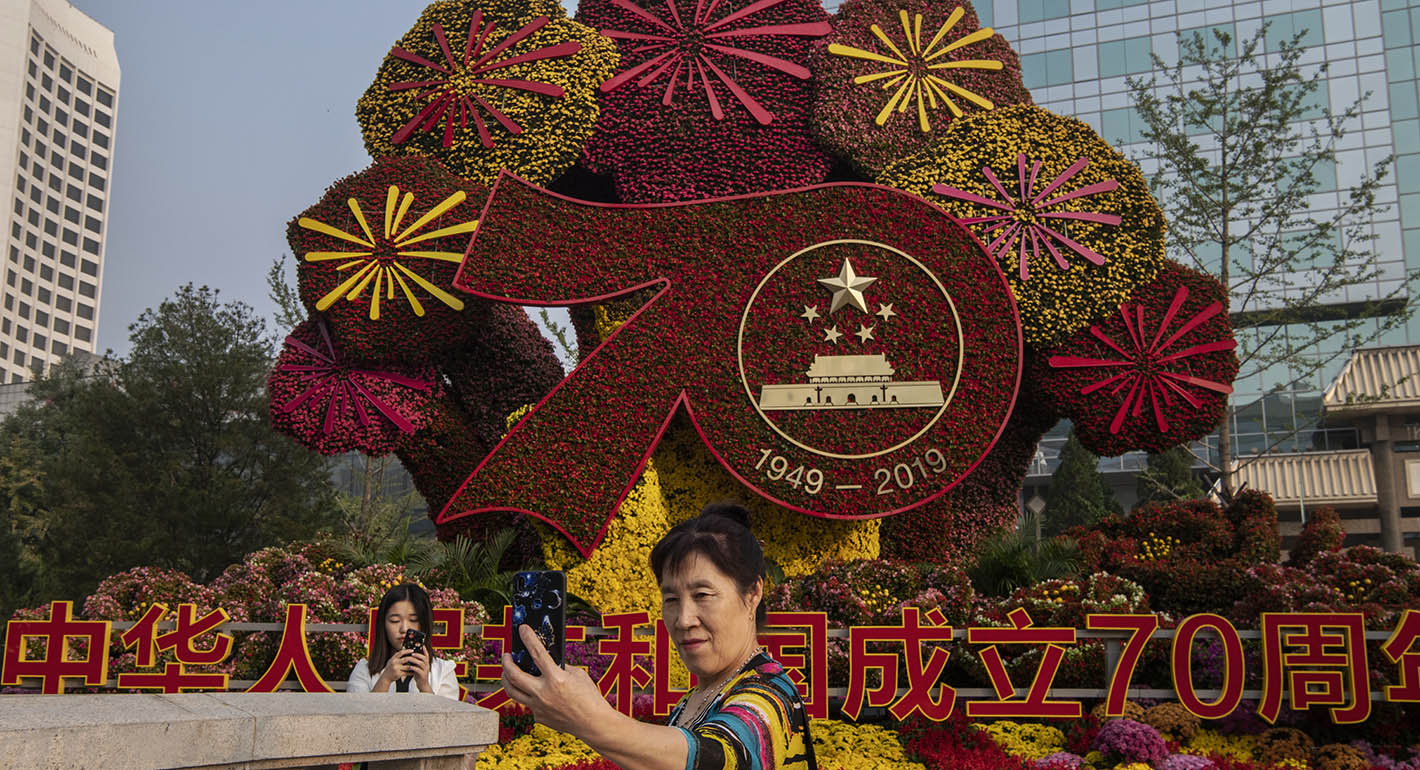
With sharp twists and turns reminiscent of the jagged angles of Russian mountain ranges, China’s image in Russia has drastically changed since the founding of the People’s Republic of China seventy years ago.
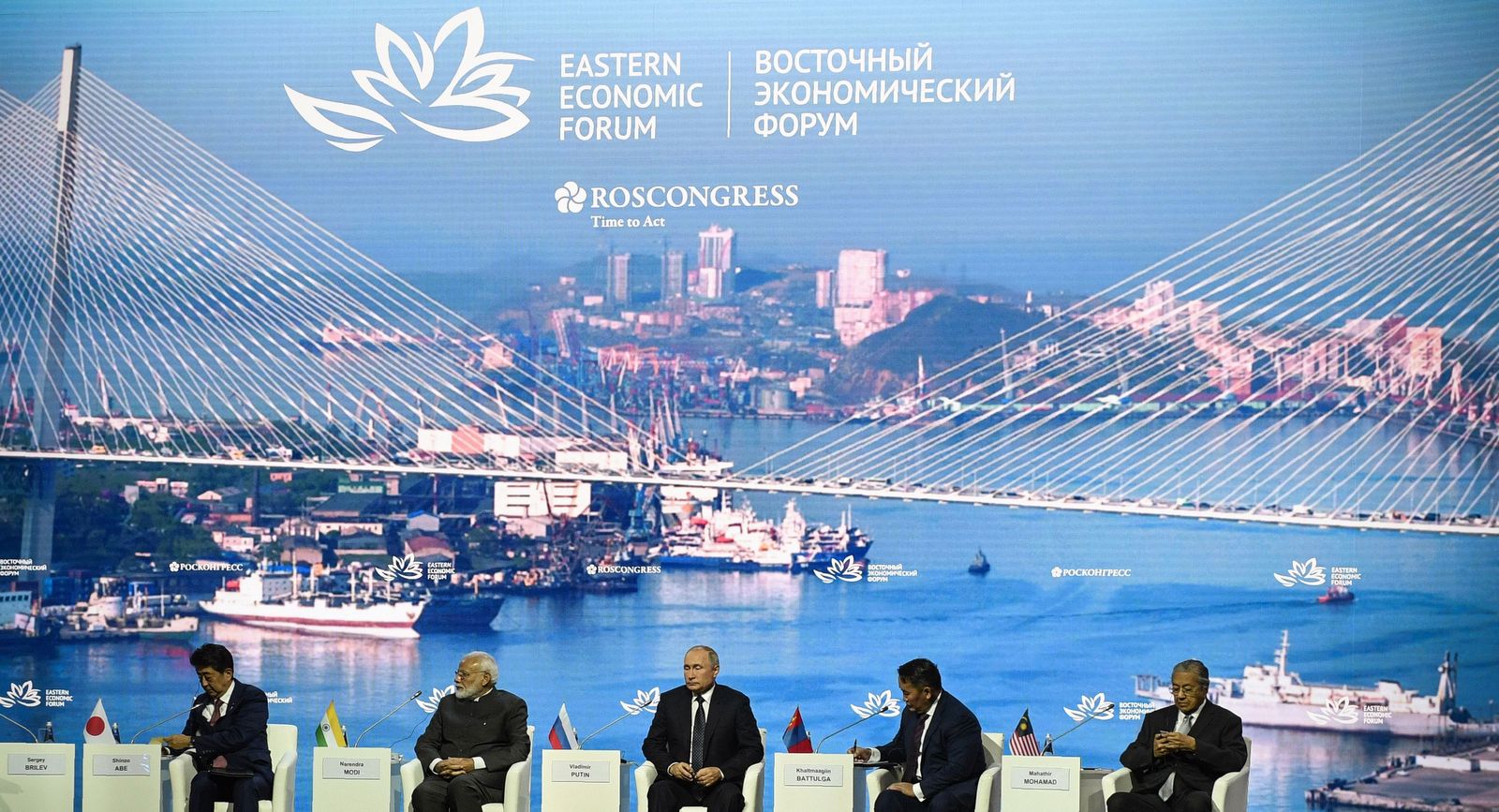
There’s one thing that perhaps says more about the investment climate in Russia’s Far East than all the swish presentations put together, and that’s the unfinished buildings of two five-star Hyatt hotels in Vladivostok.
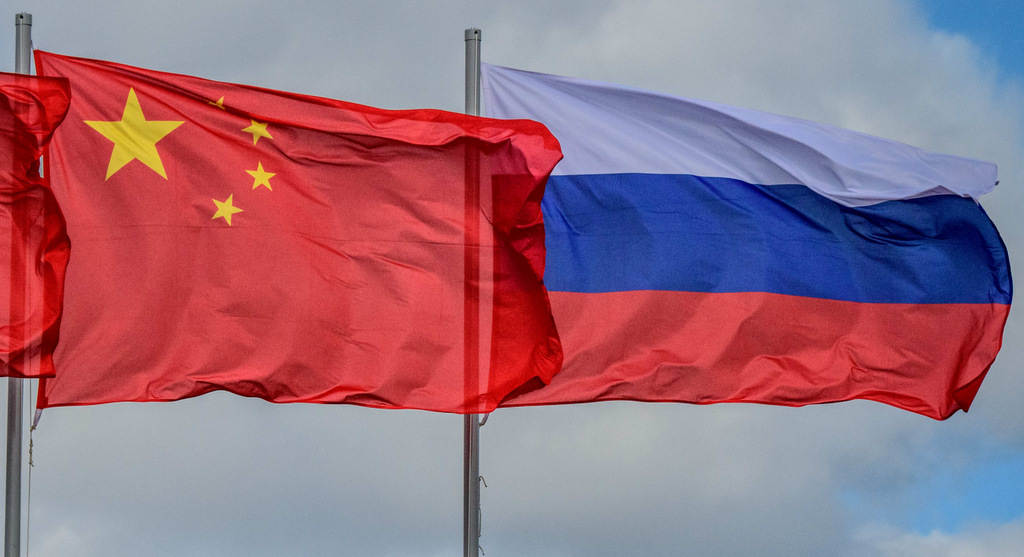
The China-Russian military cooperation with its underlying strategic calculus is clearly aimed at countering US moves and capabilities in the region.
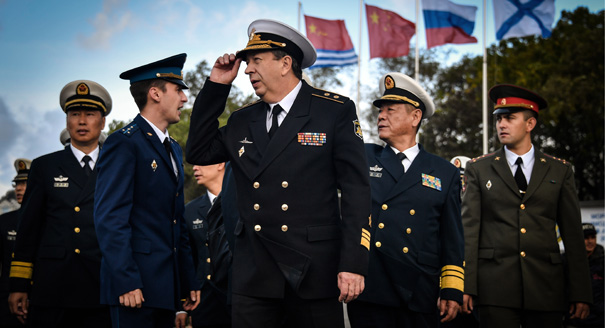
In taking its military cooperation with China to a new level, Moscow will strive to preserve its anti-American slant. Russia clearly wants to stay out of Beijing’s numerous disputes with Asian countries over islands and historical grievances. In addition, the current nature of Russian-U.S. and Chinese-U.S. relations means Russia and China’s military cooperation will inevitably have an anti-United States focus.
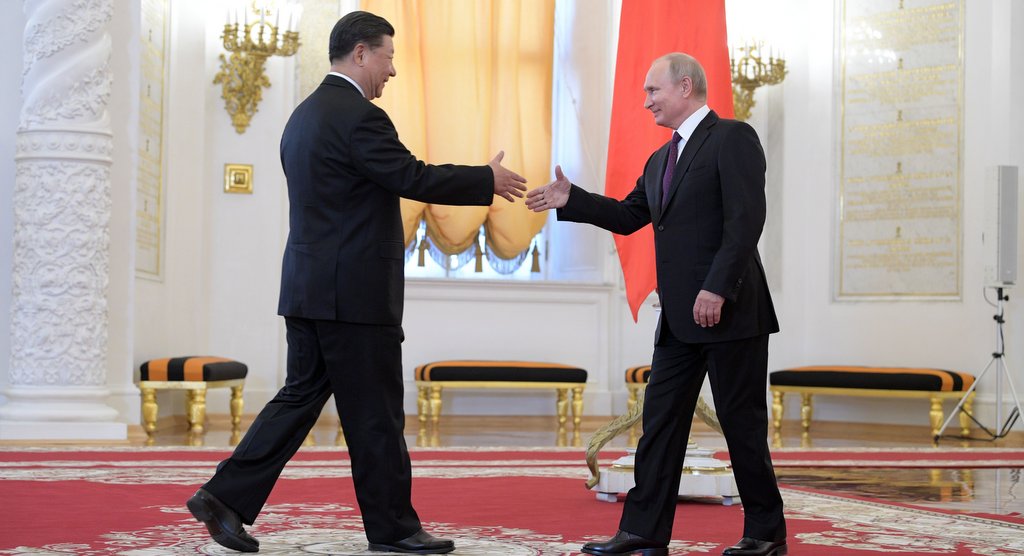
China and Russia have learned lessons from history: great powers lead or abstain, they don’t jump on the bandwagons of others, and in bilateral relations, great powers seek to maintain equilibrium-they may come close to each other if interests or circumstances demand, but not so close as to become followers.
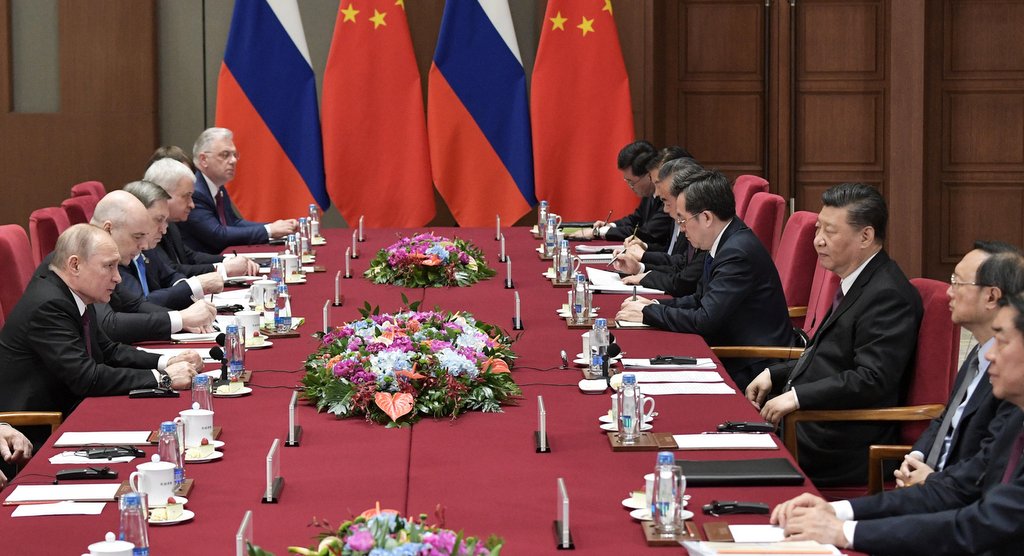
Moscow and Beijing will continue to have their differences, and they are not entirely free from reciprocal phobias, but the chances of a China–Russia collision over those differences are being minimised by the US policy of dual containment.
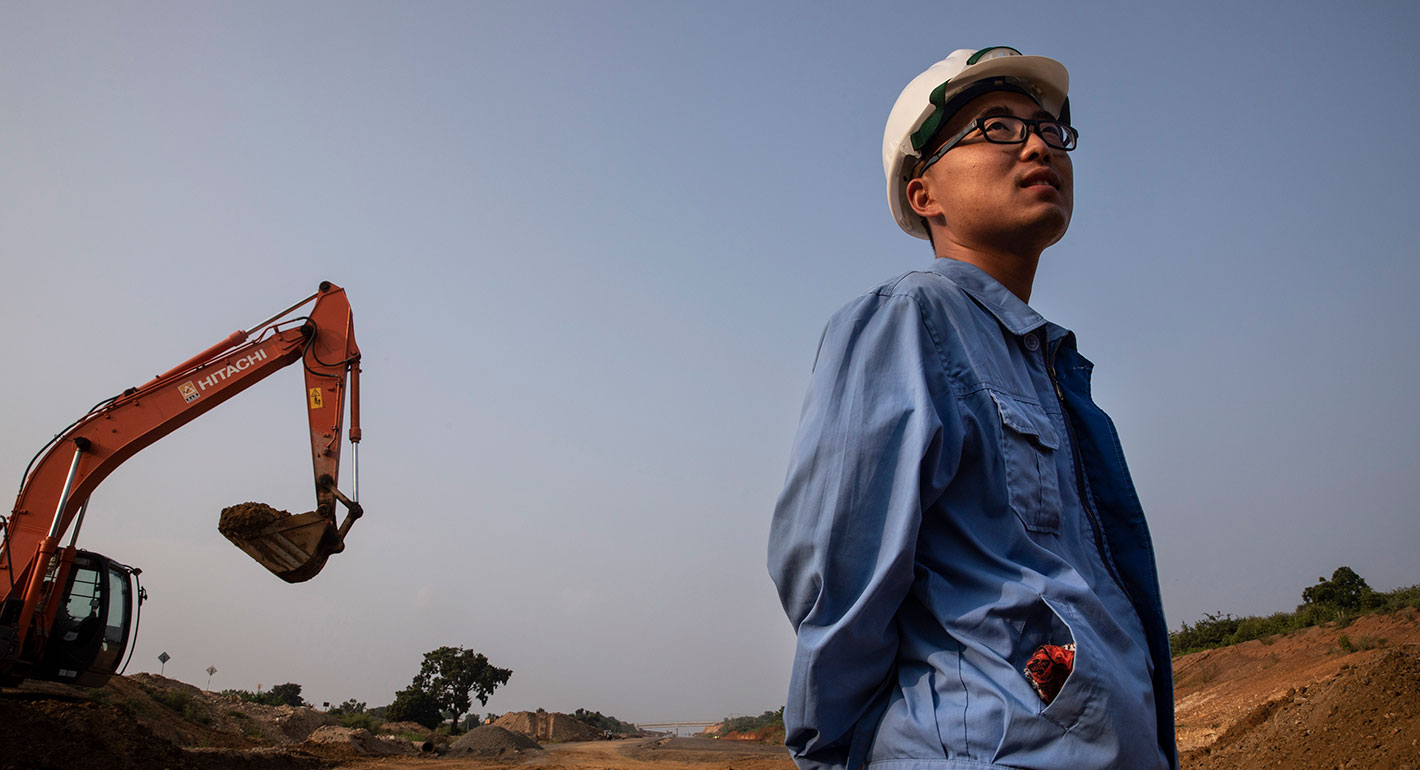
Pitched as a new Silk Road sweeping from Asia to Europe, China’s enormous Belt and Road Initiative is an ambitious, multinational infrastructure project. Experts from four Carnegie global centers explain other countries’ perspectives.
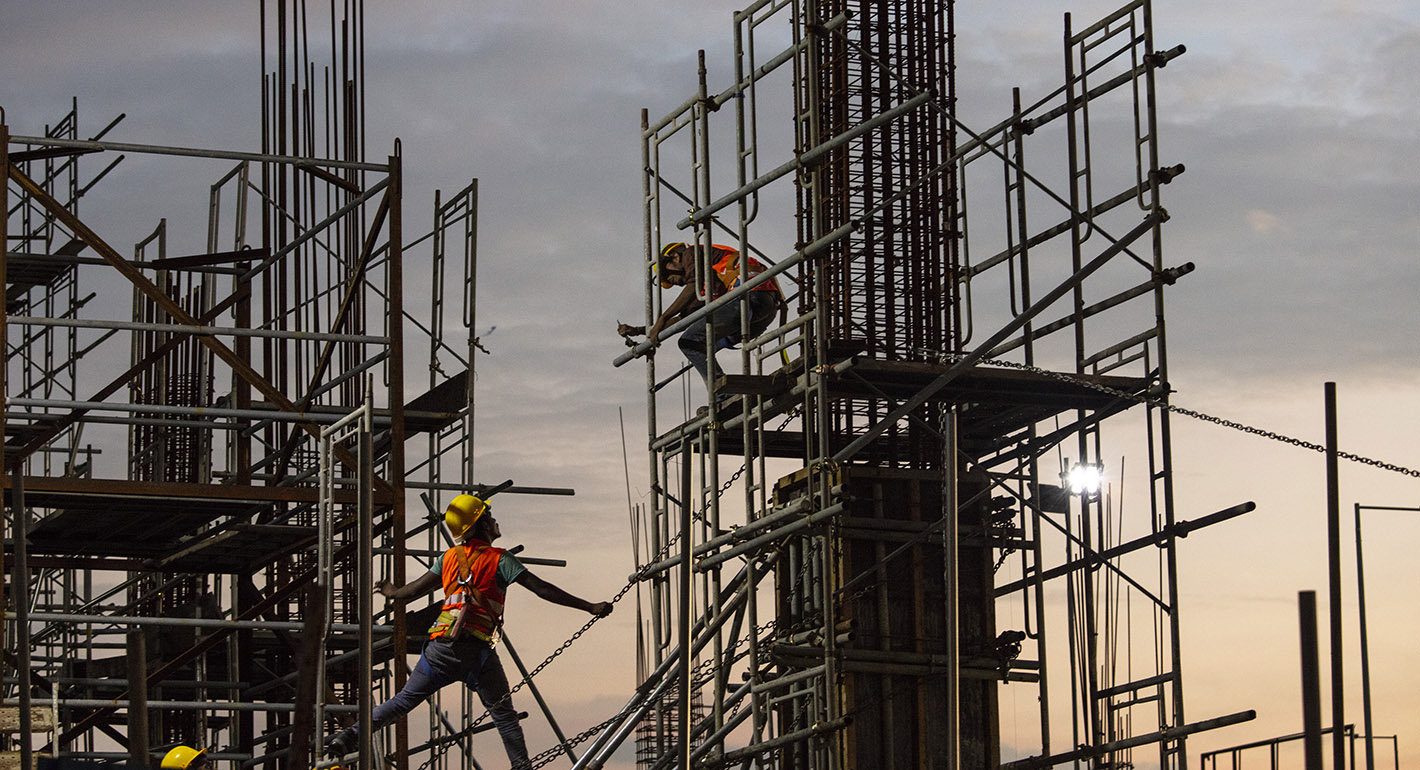
Despite the BRI’s prevalence in discussions of China’s global engagement, many experts are divided on how to interpret it. Is it a global strategy or just an interregional initiative? How can countries and international companies participate in its growth and development?
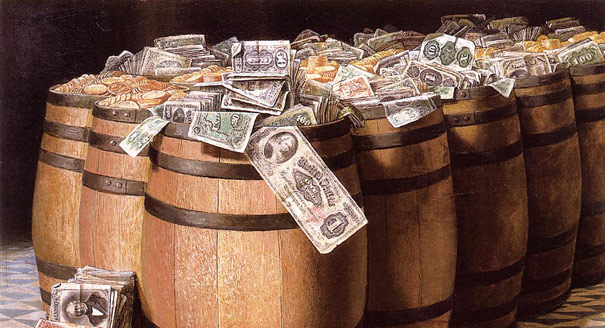
The greatest risk, which will grow together with funds and reserves, is that of the open or creeping politicization of investment. In other words, the state will choose to invest in “friendly” but unstable currencies, as well as to extend loans to even “friendlier” states and companies. Experience of past crises should make the responsible government agencies stay well away from such initiatives—as far as it’s politically possible.