Carnegie Moscow Center


In 2015, Russia introduced visa-free travel for South Koreans. Since then, Korean tourism to Vladivostok has skyrocketed, bringing an economic windfall to the city. That, in turn, has become an argument for lifting the visa regime with China. But several issues stand in the way.
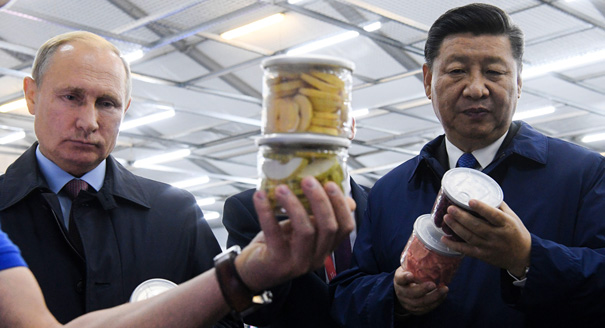
Few noticed when Russia and China quietly signed a new program on developing trade and economic cooperation in the Russian Far East in. That new agreement may appear less extensive than the document it replaces, but it is also potentially more implementable. Just don’t expect any major breakthroughs.

Though a “Cold War” between the U.S. and China has not yet begun, the two sides are increasingly confrontational and risk shifting from competition to rivalry. Russia does not feel threatened by China’s rise, as Moscow remains confident that it can still benefit from the relationship.

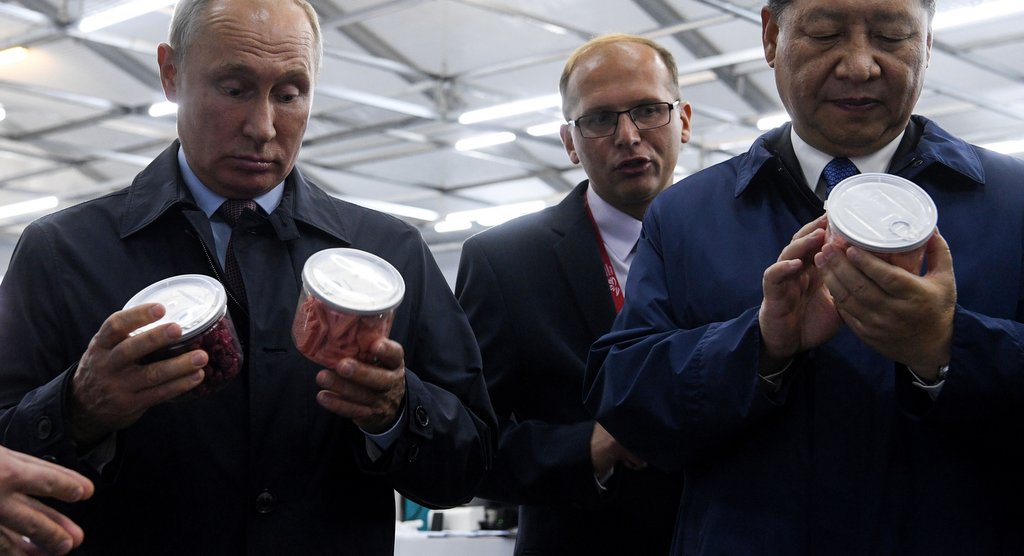
The trade war with the United States has piqued China’s interest in Russian soybean imports. Russian officials are optimistic about the prospects of increasing soy exports to China, but their expectations are unrealistic.
The failure of the Program of Cooperation (2009–2018) cannot be blamed entirely on the inertia of Russian bureaucrats or the paucity of local budgets. The program was underdeveloped from the start.
Conventional wisdom in Washington ignores the degree to which shortsighted U.S. policies are pushing Russia and China closer together. Now would be a good time for U.S. policymakers to rethink a policy that antagonizes both of the United States’ principal geopolitical rivals and to think more creatively about how to manage a new era of increased competition among great powers.
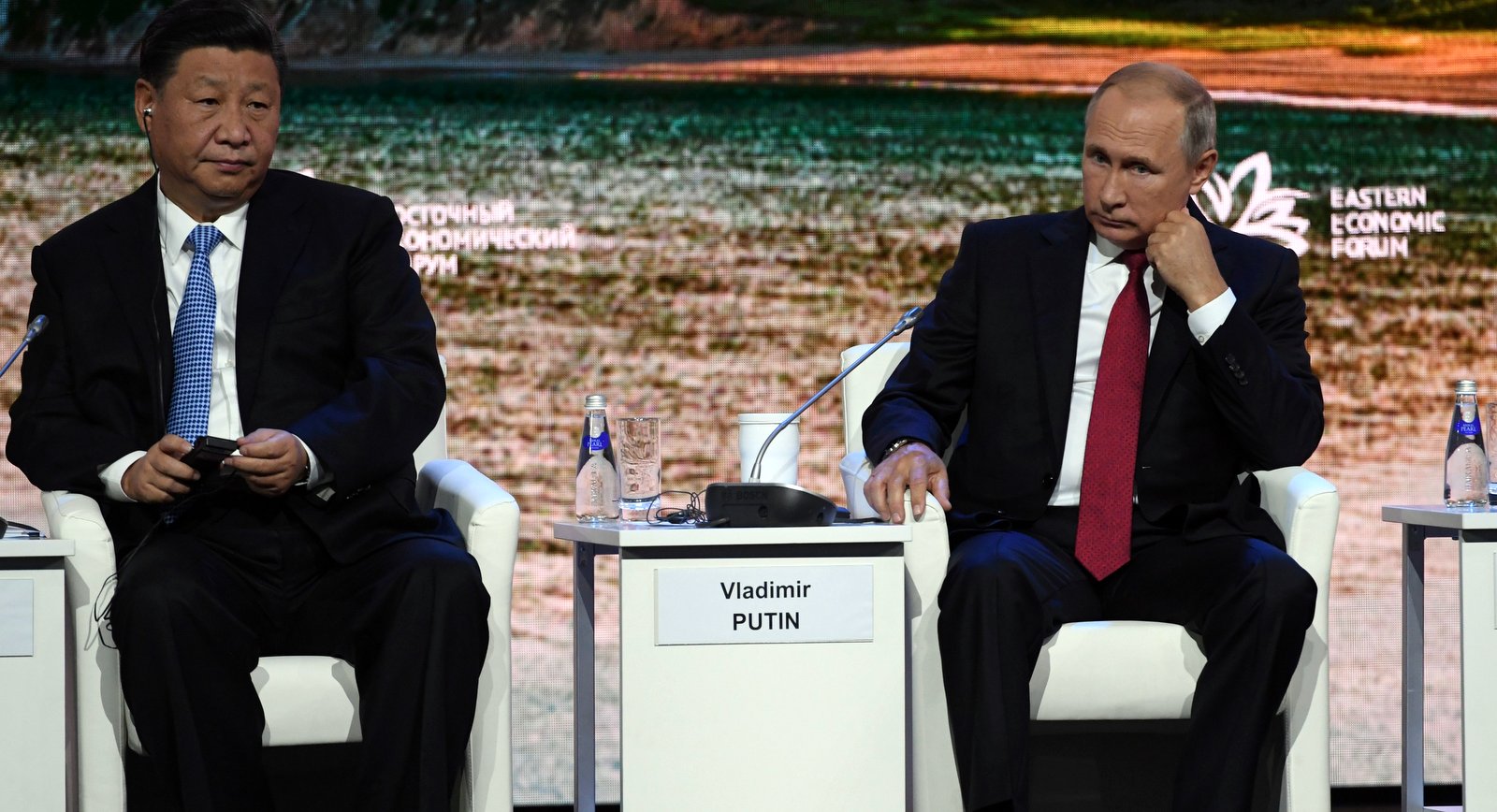
The Moscow-Beijing relationship, while not an alliance, is also more than the strategic partnership it still calls itself. It is best described as an entente — a basic agreement about the fundamentals of world order supported by a strong body of common interest.
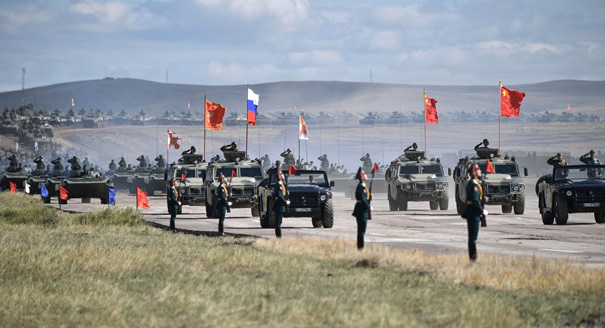
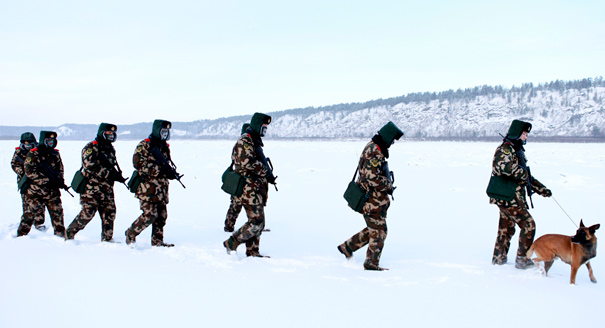
Chinese participation in Vostok-2018 is groundbreaking. It sends a powerful message about the evolving relationship between the great Eurasian powers, which just a couple of decades ago viewed each other as adversaries.
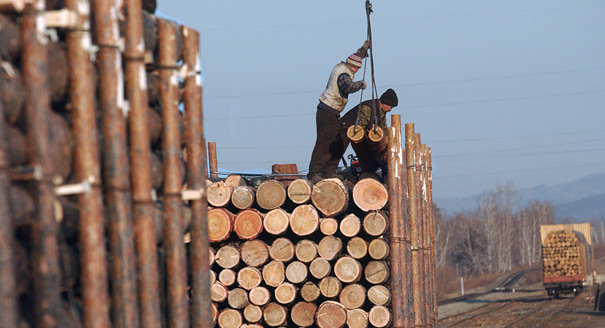
Russia is not the only country in whose forestry industry the Chinese are active. Chinese businesses’ behavior largely depends on the degree of control exercised by the local authorities, and forestry is a great illustration of this.