Carnegie Moscow Center

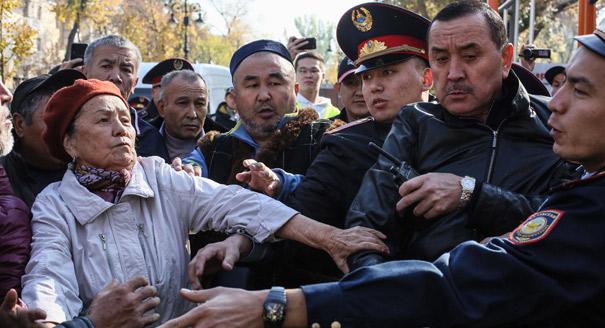
Hitherto content to work with Central Asia’s incumbent leaders, China is now supporting pro-China politicians: an unprecedented intervention in the region’s affairs that is shaking the foundation of Moscow’s cooperation with Beijing there.
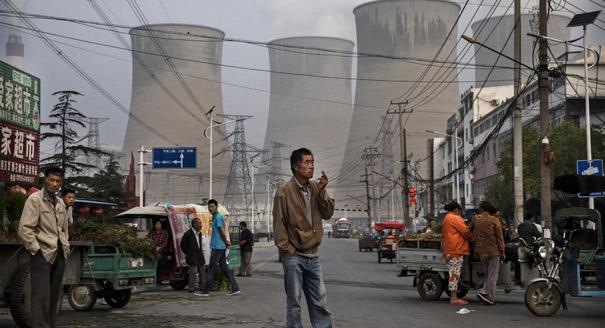
China’s commitment to full carbon neutrality by 2060 means that the country needs to reduce the consumption of all fossil fuels, including natural gas. What does that mean for Russia and Central Asia?
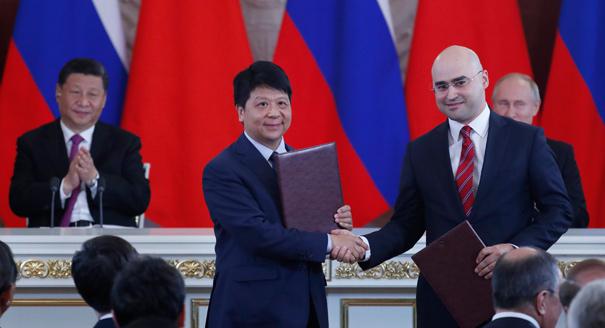
Major Chinese tech companies are actively expanding their presence on the Russian market. They may not have the state support that state-owned development banks or energy giants do, but that isn’t stopping them from successfully incorporating Russia into a digital Pax Sinica.
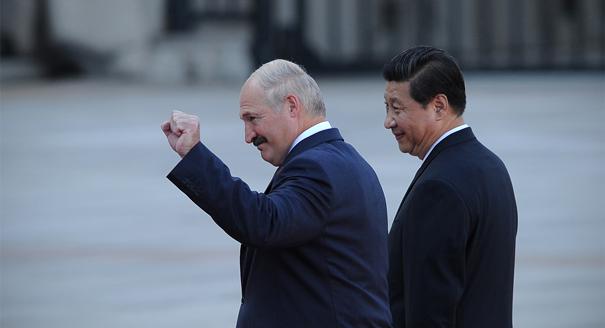
For all the talk of Beijing’s growing presence in the former Soviet Union, the fruits of Ukraine, Belarus, and Moldova’s efforts to deepen cooperation with China have been underwhelming
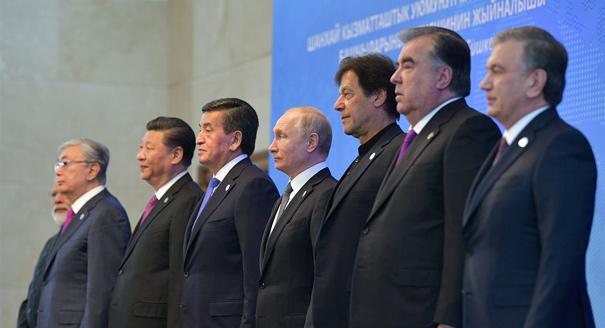
This podcast episode focuses on the shift in power in Central Asia and the evolving roles of China and Russia there.
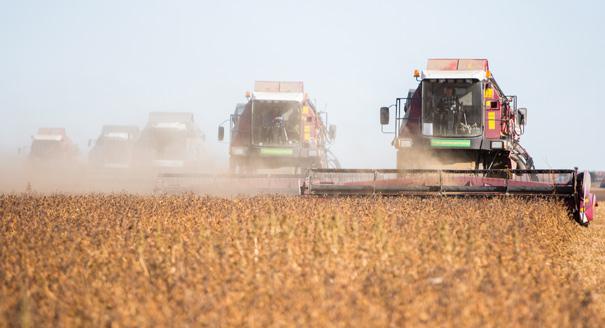
Despite many years of talk of the Far East’s economic dependence on Chinese capital and labor, the pandemic has revealed that both of those resources can be found in Russia itself.
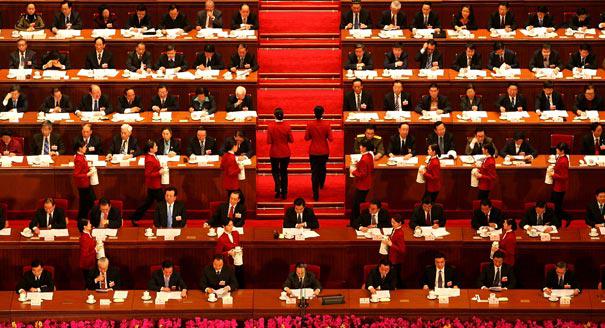
If Russia and China study each other’s legislation, it’s purely out of practical considerations for the purposes of doing business and protecting the interests of their own nationals.
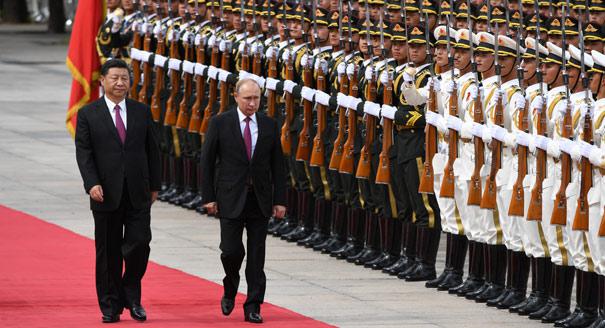
Moscow knows that the United States’ main concern is the military rapprochement of Moscow and Beijing, in particular anything resembling a military alliance. It’s likely no coincidence that Putin touched on this sore point in recent comments.
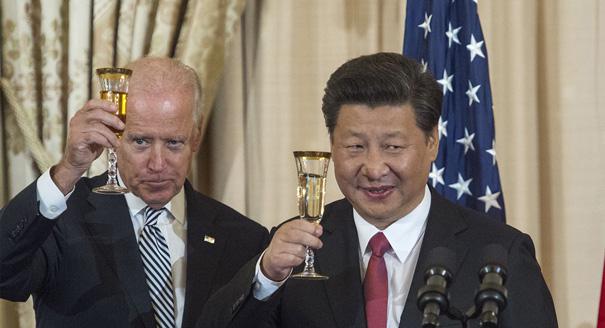
President Biden will challenge the Kremlin both domestically and geopolitically. To thwart that dual challenge, Russia needs to deal with its numerous vulnerabilities effectively before its adversary is able to exploit them.