Carnegie Moscow Center

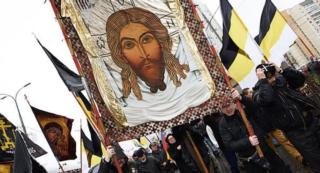
Following the annexation of Crimea in March 2014, the Russian public has embraced an increasingly conservative and nationalistic ideology.
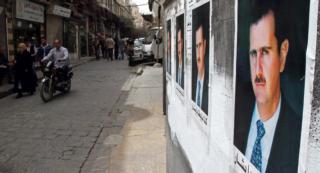
Moscow does not want to escalate confrontation with the West over Syria beyond the current level without what it sees as good reason. In general, Russia’s behavior in the Middle East has been largely defensive, with only isolated and mostly inept attempts to inflict harm on the West.
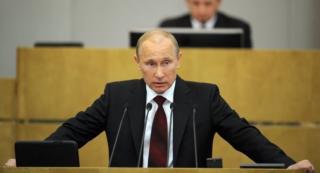
As the Russian economy declines, Vladimir Putin faces a classic choice between greater freedom and more repression

Local elections in Russia last weekend seemed to confirm the dominance of United Russia, the “party of power.” But the Kremlin may be forced to end its reliance on United Russia before next year’s Duma elections.
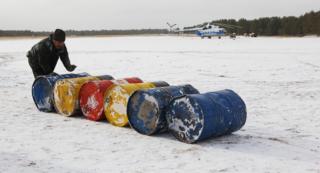
Russia’s oil and gas industry faces long-term systemic problems, even in the unlikely scenario that the price of oil rises sharply again. This has severe implications for the country’s economic prospects.
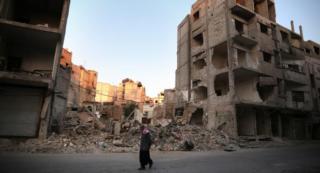
The world powers agree that the Islamic State must be defeated, even though they disagree on how to do it. In spite of Washington’s anger with Russian activism in Syria, a degree of coordination is advisable.
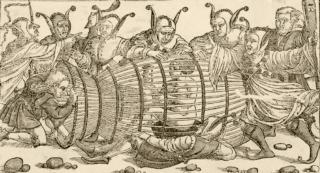
A new set of economic proposals by Sergei Glazyev defy generally accepted economic theories and historical experience and would probably ruin the Russian economy if accepted. Is there a political rather than an economic rationale to them?

Russia’s political elites and, particularly, its president have no strategic vision of the future and no adequate assessment of reality. The authorities are seeking to prolong the inertia model until the presidential elections in 2018, but afterwards the Kremlin will need strategic decisions.
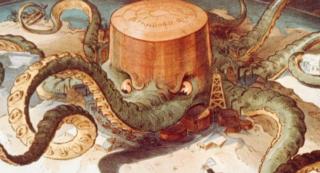
Official statistics suggest that Russia’s oil and gas industry accounts for only a quarter of the country’s GDP. However, when other factors are factored in, the economy is seen to be much more heavily dependent on hydrocarbons. With oil prices looking set to stay low for a long time, this is bad news for the Russian economy.

Putin's visit to China is his first since the West's introduction of sectoral sanctions against Russia. Moscow’s hopes for greater engagement with China have gone unfulfilled. Due to falling commodity prices, sanctions, the volatility of the ruble and the economic crisis in Russia, trade and investments continue to decline, while agreeing on new deals is becoming increasingly difficult.
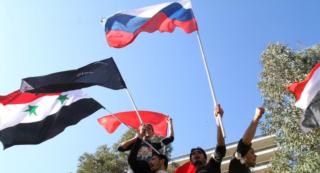
The fact that the Kremlin has stepped up its military assistance to Syria demonstrates that Moscow has no intention of withdrawing its support from Assad.
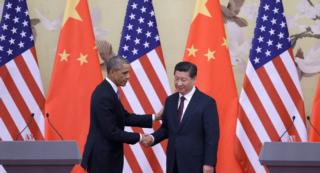
The U.S.-China relationship involves both cooperation and competition, but because of the new global changes to the relationship, more must be done to balance these two dimensions.
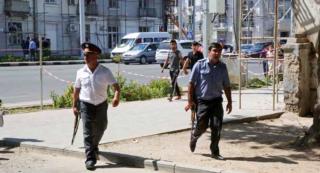
An army mutiny is the only latest of many new threats to Tajikistan's veteran president. Russia is the only country he can rely on to support him and it will take advantage of his predicament.

While the Kremlin continues to score plenty of tactical victories in the political sphere, the regime has demonstrated no ability to think strategically. The lack of strategic thinking stems from the elites’ desire to preserve their own power and the whims of an authoritarian political system.
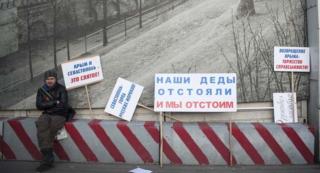
Russian public opinion polls since the beginning of the Ukraine crisis reveal a contradiction: ordinary Russians are against war and intervention abroad. But a skillful television propaganda campaign has persuaded them that in Ukraine they are helping their own and opposing Western designs against them.
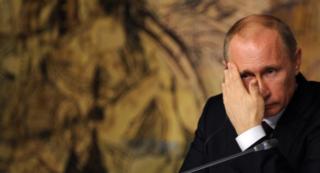
Putin’s recent theatrics indicate a plan to run for re-election in 2018. But despite his lack of opponents, Russia’s current problems make the path to re-election more complicated this time around.
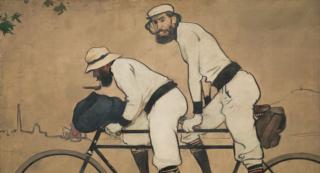
The joint public work-out by Vladimir Putin and Dmitry Medvedev sent a political message to the elite and the general public. Loyal professionals are required to deal with the current crisis and the president needs his prime minister again.
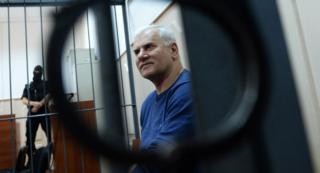
A life sentence handed down to Said Amirov, once the most powerful man in the largest republic in the North Caucasus, shows that almost no one in present-day Russia is untouchable
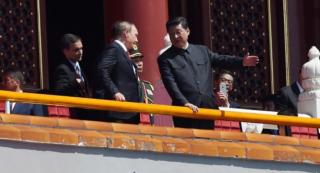
The symbolic affinity between Xi Jinping and Vladimir Putin represents not only a shared outlook on the current world, but also a shared view of history.
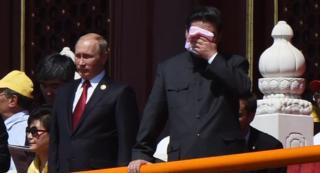
Chaos in China’s financial markets could have dire implications for the Kremlin’s plans.