Carnegie Moscow Center


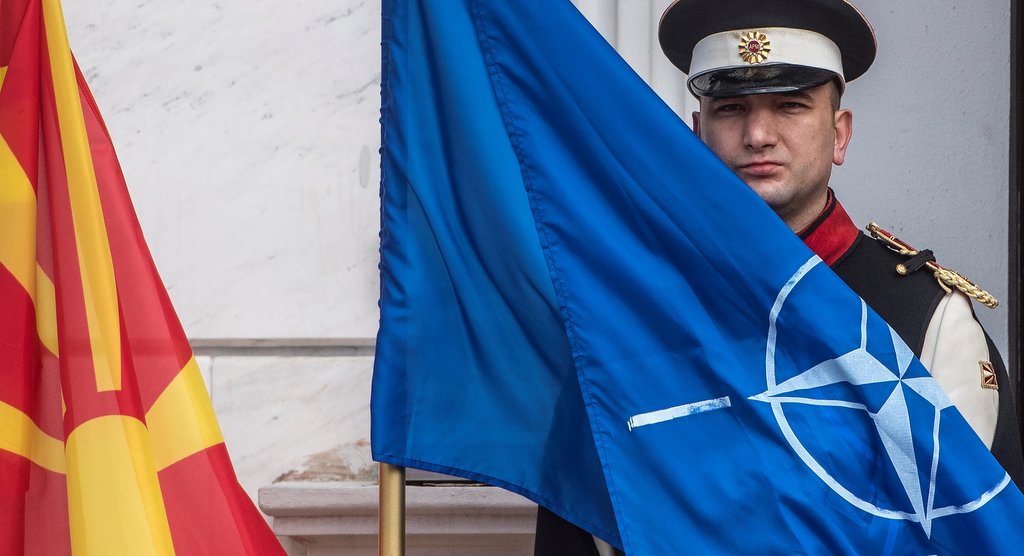
The Kremlin’s attempt to prevent North Macedonia joining NATO created some difficulties but proved to be rather clumsy and damaging to Russia’s own interests. With the accession appearing to be a done deal, Russia is now likely to lose interest in North Macedonia.
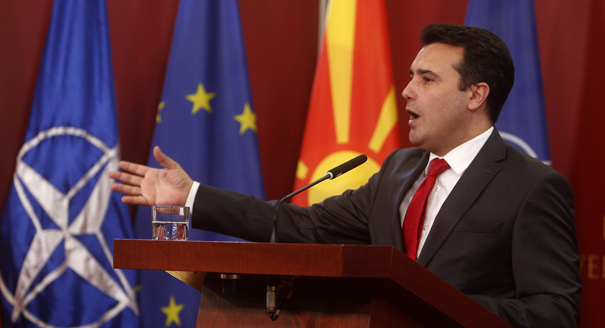
In the Macedonian settlement, Russia chose a tactic that did not even theoretically allow for the possibility of success. The results of its involvement are, consequently, woeful. Greece has expelled two Russian diplomats. The Macedonian government sees Russia as an enemy, while the Macedonian opposition has no intention of orienting itself on Moscow, and continues to support Macedonia’s entry into NATO. The country will join the alliance far more quickly than people there could ever have dreamt not so long ago, and all of this has turned into yet another source of irritation in the already fraught relations between Russia and the West.
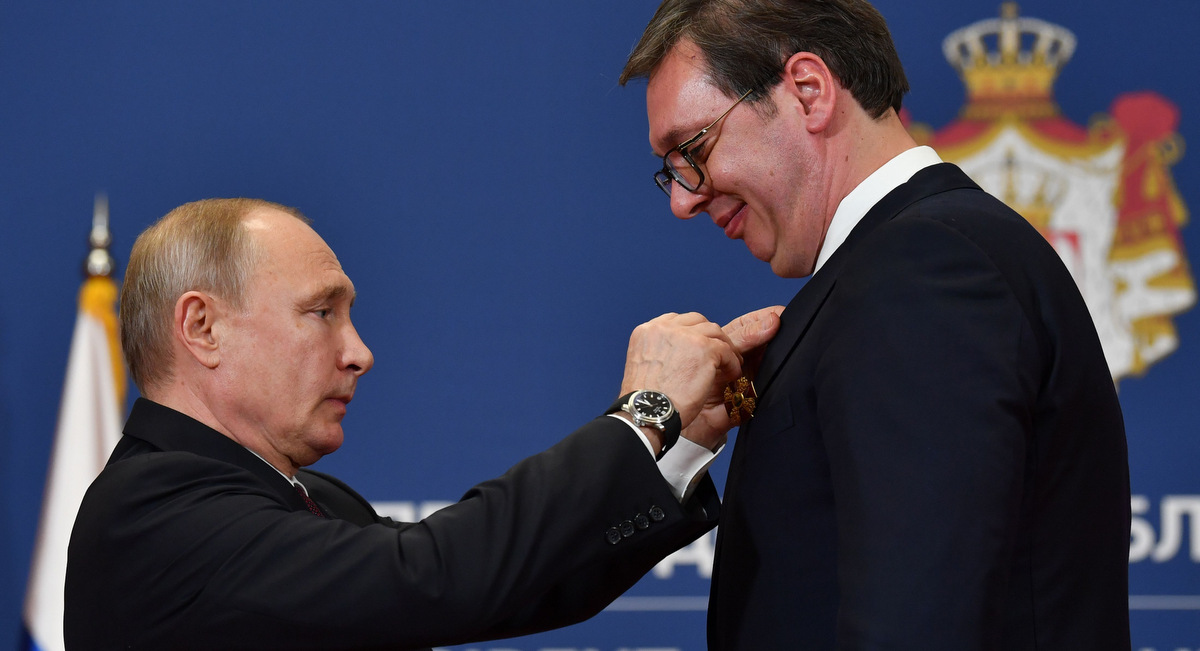
Moscow has repeatedly taken a hard line on Kosovo, forcing Serbia to take similarly uncompromising positions and thereby jeopardize its EU membership.
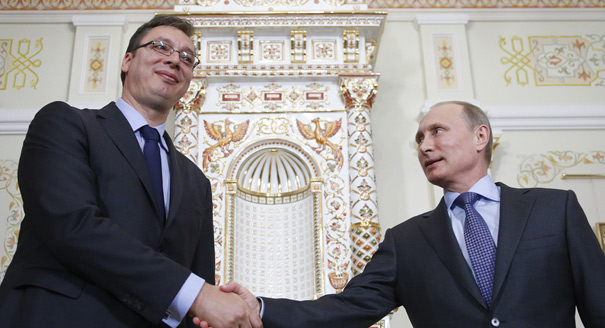
To an outside observer, Russia’s passive sabotage of the Kosovo conflict resolution looks like all-out support of Serbia. Assurances that Russia will never abandon Serbia, will protect it from Western pressure, and do everything possible to preserve its territorial integrity come across as gestures of unswerving friendship toward the Serbs. In reality, the Serbian leadership doesn’t know how to rid itself of this support, which leaves Belgrade no room for maneuver at the Kosovo negotiations.
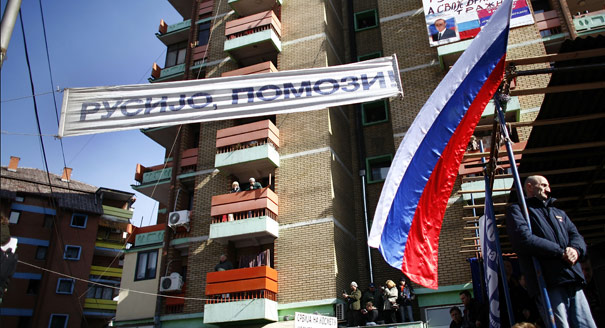
Mutual accusations by Russia and the EU in the Balkans are virtually indistinguishable from their dialogue on any other subject. Even the Western Balkans, where there are ostensibly no grounds for geopolitical rivalry and where the sides complement each other well, are turning into a source of apprehension, miscommunication, and irritation simply due to the overall atmosphere of distrust and the differences in basic approaches to international relations.

Widely regarded as the EU’s most pro-Russian member-state, Hungary is, in fact, cooling to Russia. The two countries’ leaders are focused on old projects instead of looking to the future, while Viktor Orban is growing more critical of Russia both at home and abroad. For Orban, Vladimir Putin is increasingly useless, having been replaced with an even better ally: Donald Trump.
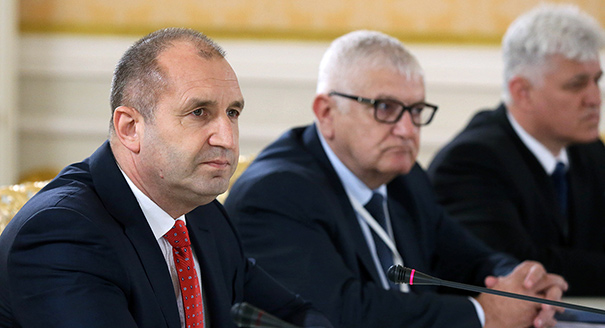
The Bulgarian public and the country’s major political parties regret the deterioration of Russo-Bulgarian relations since 2009, when, under Western pressure, Sofia withdrew from almost all of its joint projects with Moscow, including the Belene Nuclear Power Plant and South Stream pipeline. These moves yielded no tangible benefits for Bulgaria and even had some adverse effects. Now, calls for a more pragmatic and self-centered approach to Bulgaria’s relations with Russia are gaining momentum.
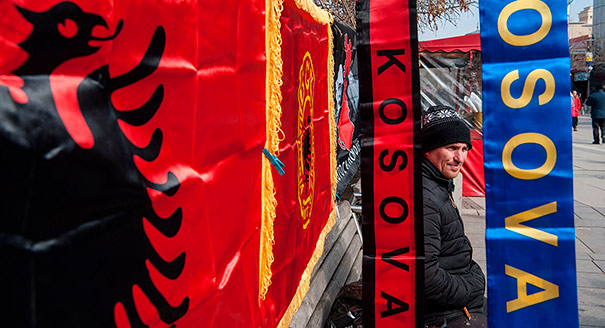
The priority in conflict resolution in Eastern Europe should shift from helping the territories affected by the conflicts to helping the people affected by the conflicts. Population mobility in the conflict zones is increasing so rapidly and the population is shrinking so swiftly that in a generation or two there will be no one living there, regardless of the results of conflict resolution.
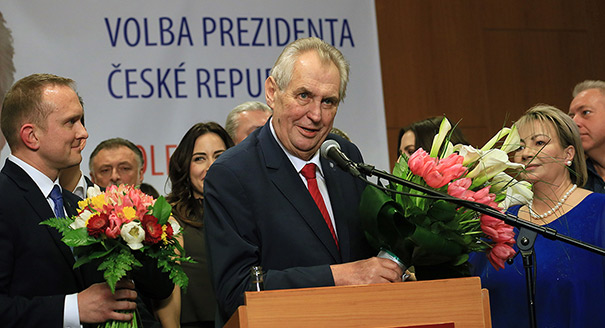
When making pro-Russian statements, the Czech president has domestic policy goals in mind. Zeman wants to demonstrate that he represents ordinary people and is prepared to stand up to the elites. He is indicating that he will put the Czech Republic’s practical interests before abstract universal values, and focus on the national economy rather than empty intellectual discussions.
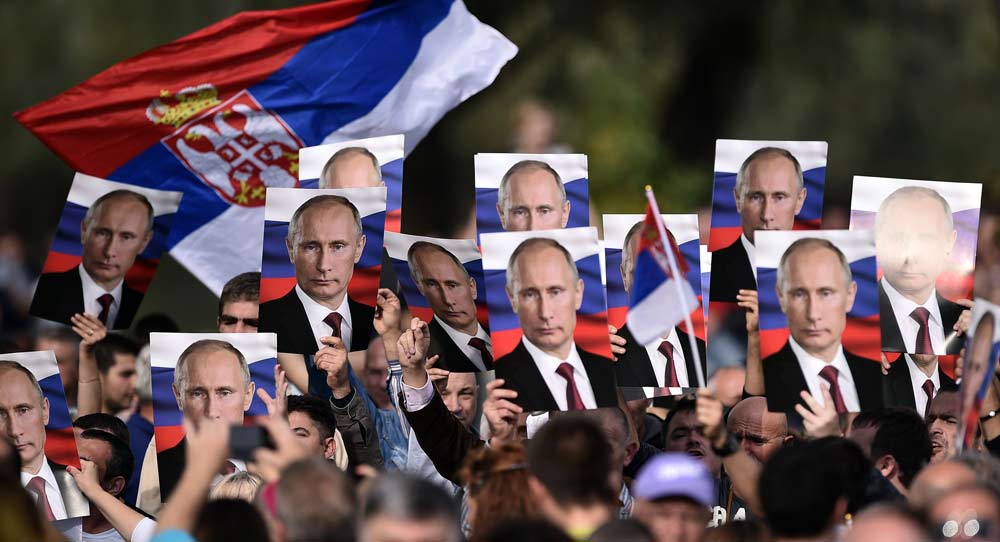
Moscow has opted for a low-cost, opportunistic approach in the Western Balkans that shifts most of the burden to local actors.