Carnegie Moscow Center


A comprehensive P5+1 Iran deal that included a Russo-Iranian agreement on nuclear cooperation could give Moscow a powerful incentive to work with the West and open a sustainable path for Iran toward commercial nuclear power development.
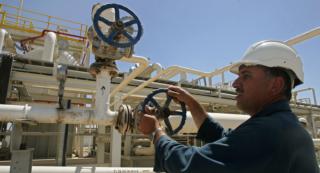
Syria may not be a major oil or gas producer, but the country's strategic location may allow it to determine the shape of the region's energy future by offering Mediterranean access to landlocked countries.
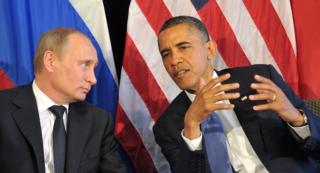
At the start of the Obama administration’s second term, it is unclear how Washington and Moscow will approach relations going forward.
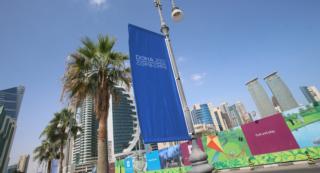
It is time to move the global climate agenda forward by exploring alternative platforms for collaboration.
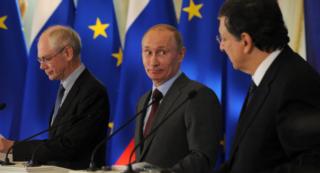
Relations between the EU and Russia are changing. By dissociating Russia from the West, Putin may aim to position Moscow to hold inescapable influence going forward.
Though Russia’s relations with the West have deteriorated over 2012, it is important for Moscow and the Western countries to “rediscover” each other and to develop a strategic relationship.
Uzbekistan sees itself as a regional Central Asian leader, and in fact the situation in Central Asia is largely determined by the developments inside this country.
A leading Russian and a leading German museum created an exhibition that tries to shed light on one of Europe's most complex relationships, at times creative and at times tragic.
If implemented properly, the Magnitsky Act could mean the restoration of a normative dimension to Western policy on Russia.
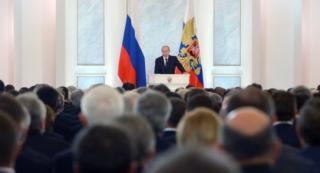
The Kremlin recognizes that decentralization is both necessary and inevitable, but Putin’s proposals for the Russian regions demonstrate that the regime is not quite ready to make decentralization a reality.
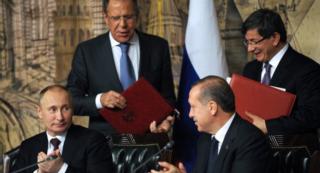
As the Russians recognize that the current Syrian regime is likely to be overwhelmed by its opponents, there is a chance that Moscow and the West could finally reconcile their positions on Syria.
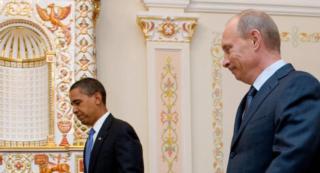
The Magnitsky Act, passed by the U.S. Congress, and the Russian response to it can be seen as further evidence of the complicated and worsening relationship between Washington and Moscow.
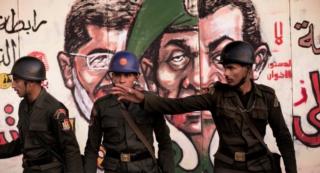
Developments in Egypt will not only affect the country's own future, but also that of the wider Middle East and the rest of the world.

The United States and Russia face a fundamental choice: to continue their transactional approach to relations or to put relations in a broader, longer-term strategic framework.

A new strategic approach is needed to end the dispute over the South Kuril Islands that plagues Russia-Japan relations. Solving the issue is in the interest of both countries.

The Russian political regime is in a state of crisis, as is its economic model and the social life of the country. However, there are also there are several signs of Russian society’s awakening.
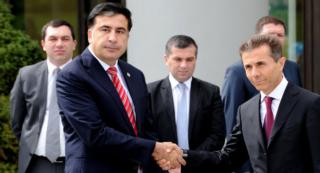
Georgia’s government should take a transitional justice approach to crimes allegedly committed under Saakashvili’s rule and form a truth commission to examine controversial cases.
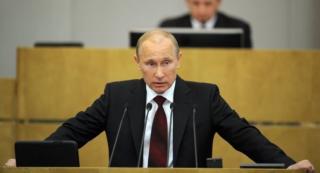
In the public battle over corrupt officials in Russia, efforts are being made to remove those officials from the government, while at the same time not fundamentally changing the system that allowed them to pursue their corrupt ends.
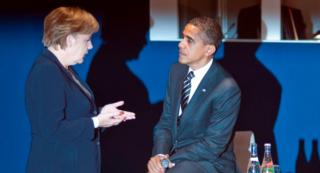
The new, harsher attitudes in the West toward Putin’s regime open a window of opportunity for both the West and Russia.

The Obama administration must realize that no “foreign policy” issue will matter as much to global economic, political, and ultimately security conditions in the coming year as whether the United States can demonstrate that it is able to deal with its economic crisis.