Carnegie Moscow Center


Among all the possible candidates for membership in the SCO, India and Pakistan seem the most ready for it. If they join the SCO in the near future, this will benefit not only these states, but also the organization itself.
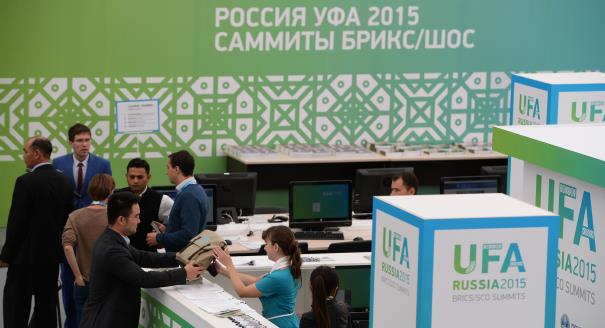
The BRICS and the West are neither rivals nor partners. The BRICS isn’t challenging the West, but the West’s own growing weaknesses are empowering the BRICS.
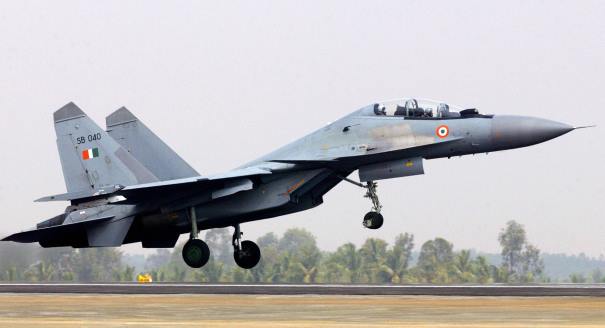
Inordinate delays in executing joint aircraft production projects have meant that India and Russia have squandered their chances to become world leaders in this field.
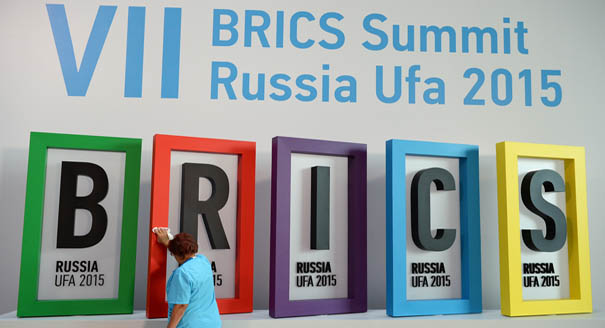
The heads of the BRICS states who gathered in Ufa for another summit have rather different ideas about why their countries are participating in this organization. The Carnegie Moscow Center asked a number of experts to comment on the motivation of BRICS’ key players: Brazil, India, Russia, and China
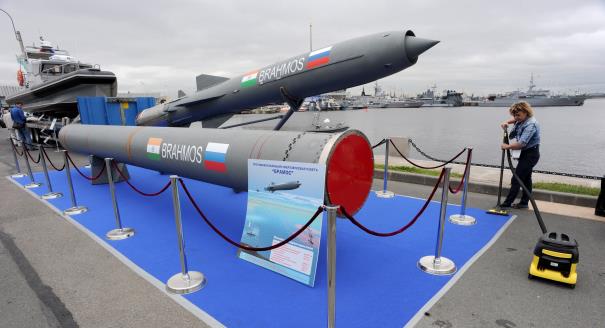
The joint India-Russia missile project BrahMos has been the single most successful joint military-technical collaboration between the two countries, and it appears the prospects for its usage are just beginning. Both countries need to increase this kind of strategic collaboration.
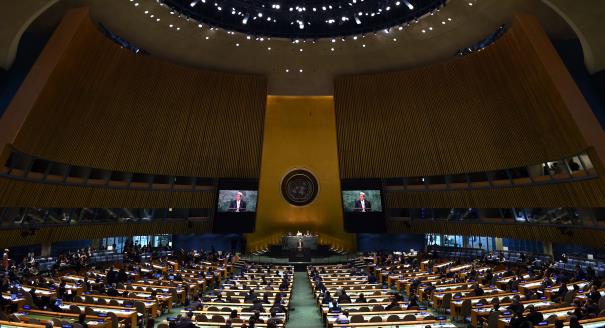
Russia is unlikely to withdraw from the INF Treaty any time soon, because Moscow believes that the negative effects of a withdrawal would be greater than any potential benefits.

The success of the Urumqi meeting between the representatives of the Afghan government and the Taliban, also attended by Chinese and Pakistanis, is doubtful. The role of Pakistan in the organization of the meeting is the most controversial issue.
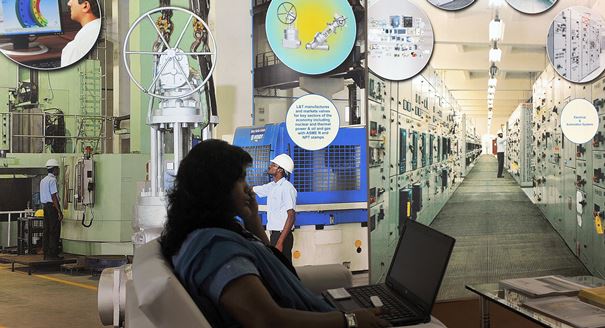
Though largely overlooked by international media, Russia has signed several significant nuclear energy agreements over the last several months. These agreements give Russia an opportunity to develop nuclear cooperation with India, Turkey, and Iran, as well as Bangladesh, Vietnam, and Egypt, where Russia plans to build nuclear plants too.

Over the past few years, India has been paying increasing attention to the threats of crime, terrorism, and espionage in cyberspace.

The current political crisis in Russia’s relations with the West gives a strong impetus to Russian rapprochement with Asian countries. However, many analysts are of the opinion that no significant progress in this area has been achieved as of yet.