Carnegie Moscow Center

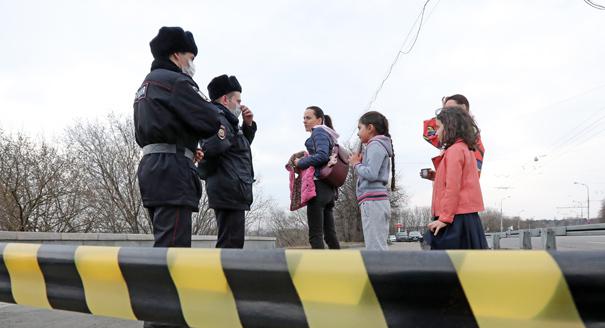
In trying to shirk responsibility for the fallout from the coronavirus pandemic, the Russian leadership is destroying the loyal majority it spent years building.
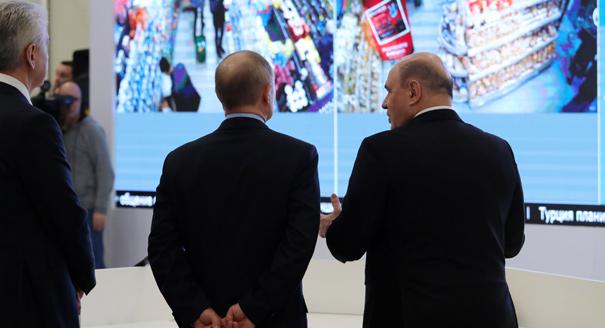
Consistency and predictability in Russian politics have all but died. Something extraordinary is unfolding right before people’s eyes: one immutable value (Putin) is destroying another (stability).
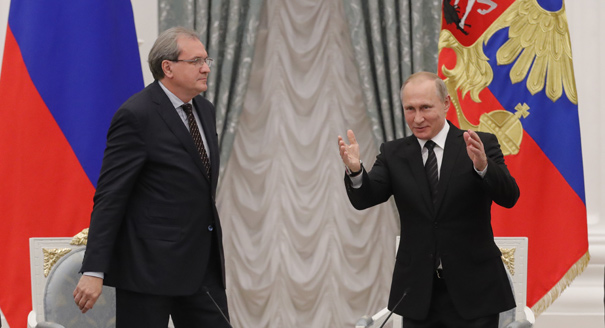
The replacement of Russia’s Human Rights Council head Mikhail Fedotov, who was completely loyal to the authorities, with United Russia party member Valery Fadeyev, determines the council’s status once and for all. It is first and foremost a presidential council, and only then a human rights council.
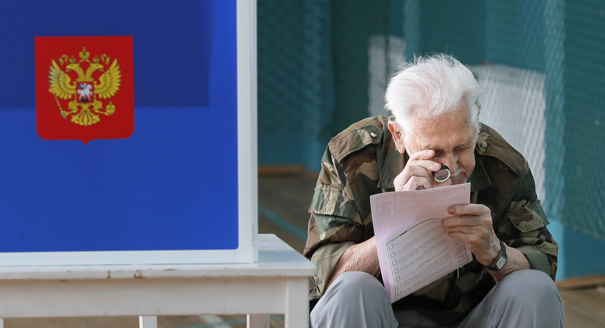
The outcome of Russia’s latest regional elections, especially in Moscow and Khabarovsk, throws into question plans to reduce the proportion of seats allocated by party list voting in favor of more single-mandate districts ahead of elections to the State Duma in 2021. It turns out that when faced with a strong protest mood like in Khabarovsk, or heavily mobilized protests amid a low turnout like in Moscow, these maneuvers don’t help.
A TV star-turned-politician is as good a new model as any for candidates for State Duma elections: someone who criticizes everyone, but then on fundamental issues will always willingly support the authorities. The Kremlin is currently studying the potential of this kind of candidate. The global trend of populists winning; actors, singers and other celebrities turning their hand to politics; and the departure of traditional parties are all things Russia has already seen, and not so long ago either. It would not be hard to return to that time.
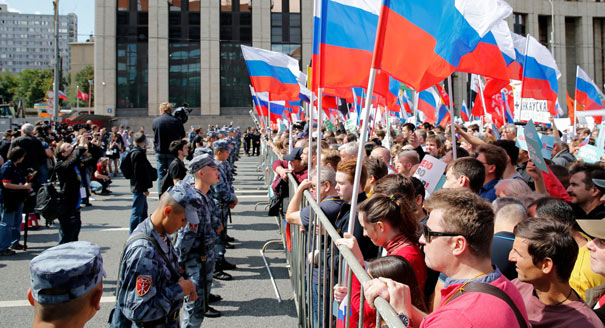
By minimizing the risks of opposition candidates running for the Moscow city parliament, the Moscow mayor’s office and the Kremlin have brought about a political crisis. The decision to refuse to register opposition candidates has turned into a symbolic event and joined the ranks of controversial plans to build a new cathedral in Yekaterinburg and a landfill site in Russia’s north, which also elicited fierce protest.

Candidates backed by the authorities are increasingly declining to be nominated by United Russia. The ruling party doesn’t fit well into the technocratic-apolitical worldview of the presidential administration’s domestic policy bloc: after all, corporations don’t need parties. United Russia is approaching the role long played by the All-Russia People’s Front, the aborted party of power from the era of Vyacheslav Volodin.
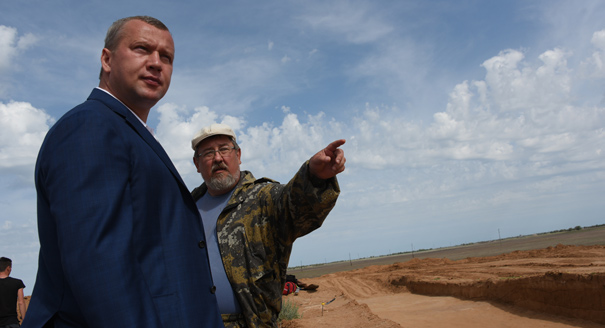
We are unlikely to see any more Federal Protective Service officers as governors following the resignation of Astrakhan’s acting governor, Sergei Morozov. This doesn’t mean that security service officials will no longer hold high-ranking government positions, but they won’t have the special status afforded by proximity to the president. It no longer suits Putin to have regional leaders hinting at their closeness to him as a method of government: now they must do some work for themselves.
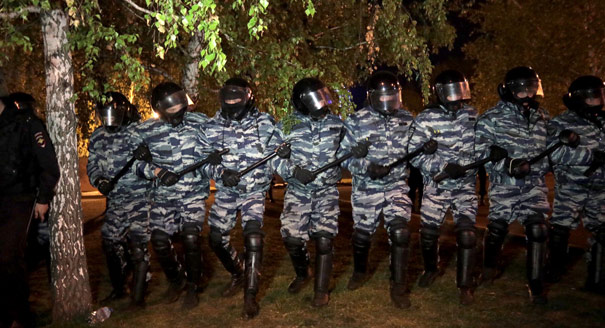
Russians, once cowed by the potential consequences of taking to the streets, are increasingly willing to protest over nonpolitical and local issues. Having failed to suppress these protests using force, authorities—federal, regional, and local—have resorted to accommodation, offering token concessions and sometimes even meeting protesters’ demands. But they have mistaken the symbolic reasons for these protests for the real drivers of unrest in Russia. In the meantime, protesters will become further radicalized and may eventually become courageous enough to issue overtly political demands.
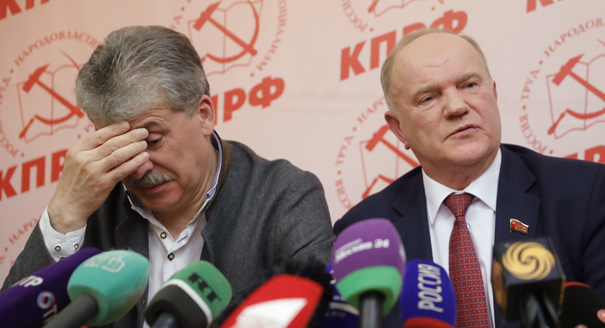
A new criterion for distinguishing between in-system and non-systemic opposition is emerging: if a candidate or party list has caused any problems, it must be disloyal and outside of the system, so it needs to be punished. This categorization is a matter of pure chance: after all, candidates and parties can win by doing nothing.