Carnegie Moscow Center


Rejecting party affiliations at regional elections is a threat to the power vertical. The disgruntled public ask global questions: Why is the retirement age being raised? Why are prices and utility bills increasing, while salaries are not? Is it worth spending so much on Syria, Venezuela, and the arms race? Independent candidates running for governor or regional legislator can answer them easily by saying, “That’s a federal issue for which I’m not responsible, but I’ll try to solve local problems.” As a result, all grievances are automatically redirected to the Kremlin.
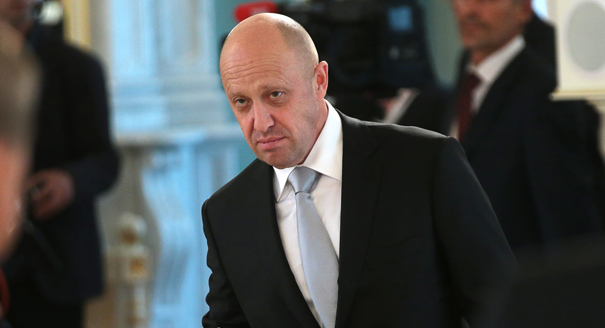
Businessman Yevgeny Prigozhin used to avoid the spotlight. Much of his work—the Russian internet troll factory, the Wagner private military company, and political research in Africa—required secrecy. But all that changed when Russian and Western media exaggerated his role in Russian politics and essentially forced him into President Vladimir Putin’s inner circle.
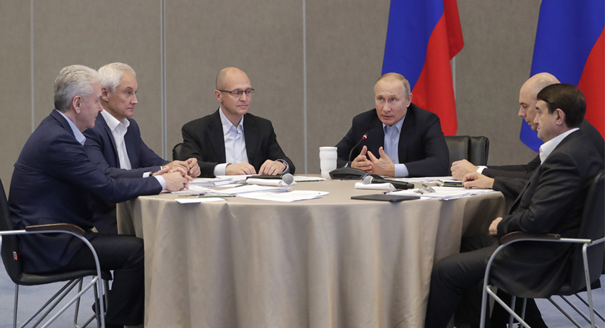
At a time when the regime’s approval ratings are declining and discontent is growing, the Kremlin has embraced a new approach to governing Russia, best described as a fusion of Soviet and corporate managerial approaches. Championed by the presidential administration’s Sergei Kiriyenko, it has made the authorities look and act a lot like a corporation—for better and worse. On the one hand, they now invest more time and resources in training politicians and government officials, having them participate in brainstorming sessions and play business simulations; but ordinary Russians are still treated with contempt, dangerously widening the gulf between state and citizen.
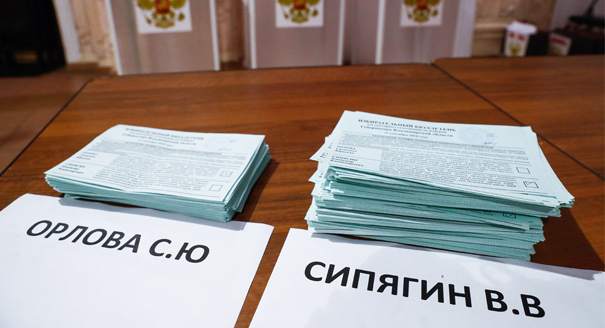
The Kremlin obviously understands that elections held under the old rules will result in more defeats. The rules, therefore, will have to change. Just like in 2013–2014, when opposition candidates started winning mayoral elections, the Kremlin first welcomed their victory, but then dispatched local legislatures to scrap mayoral elections altogether. They remain in just seven out of 83 regional centers. A similar fate may now await gubernatorial elections.
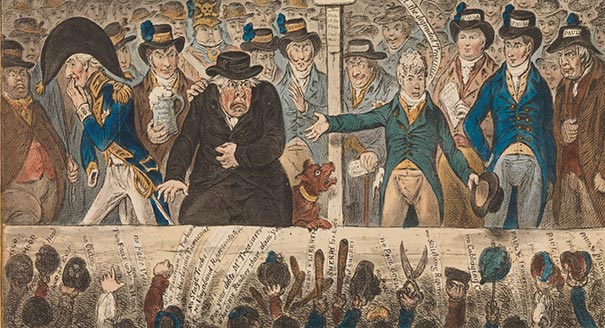
Unhappy with plans to raise the retirement age, the decline in their living standards, and tax hikes, Russians can’t vote for the real opposition. Strong candidates are either not allowed to run or prefer to cooperate with the authorities by not running, while in-system parties deliberately tone down their rhetoric. Under such conditions, the protest vote becomes random: people are willing to vote for anyone but the ruling regime candidates.
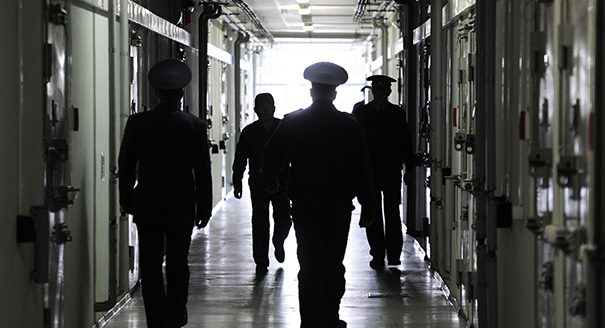
Recent months have seen extremism cases in Russia multiply, a disturbing development in which some see echoes of the Great Terror. However, while the authorities’ campaign against so-called extremists is not a deliberate policy of the Kremlin, which intended for the laws on extremism to serve as precision instruments, it represents a system breakdown. Russia’s law enforcement agencies are applying the law in their own interest, and the consequences are dire. Now, ordinary citizens, who face the same reprisals as opposition activists, as do their children, will leave their comfort zones.
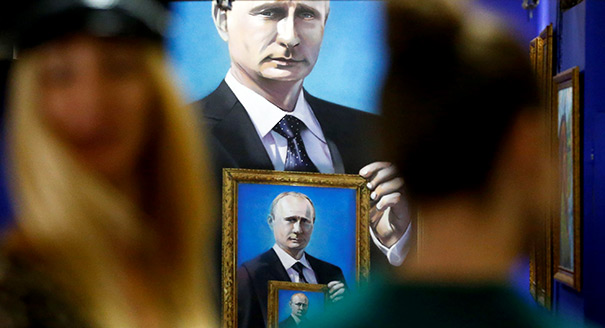
Public discontent over a plan to raise Russia’s pension age has revealed a critical flaw in the country’s political system: there is no political infrastructure that can function in crisis conditions. Only President Vladimir Putin can speak on behalf of the state. Without him, the vertical collapses. Russia desperately needs alternative connections between the state and the people. But virtually any political infrastructure project fundamentally undermines the country’s power vertical.
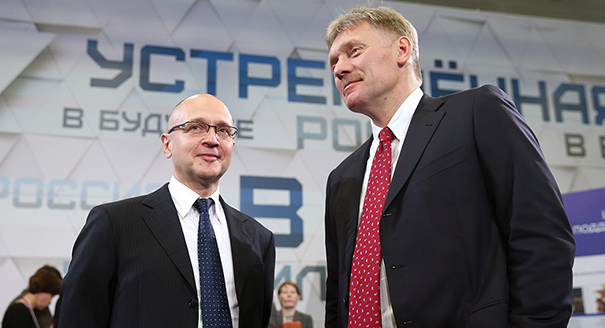
To predict what the Kremlin will do, we need look no further than the ambitious but unrealized initiatives of the mid-2000s, such as enlarging the regions and tax reforms. The same is true of the Kremlin’s staffing policy: even if there are some reshuffles, the positions of power go to experienced and well-known individuals. Vladimir Putin is comfortable talking to familiar people on familiar subjects. His closest associates are well aware of this fact and have adjusted to their boss’s preferences.
The regional unification of record-high presidential election results has closed the Kremlin bureaucrats’ eyes to the diversity of different parts of the country, their elites, and the preferences of their electorates. In this model, regional masters of balance and public politics are extraneous. But the expulsion of old regional barons is risky: the banner of public pushback and local patriotism could be picked up by new regional politicians who might be even less convenient for Moscow.
The banning of Telegram, one of the most popular messaging apps in Russia, is a serious blow to the public loyalty of ordinary people to the authorities. Ways of getting around the ban are being widely discussed in non-politicized chat groups, and even representatives of the powers that be are expressing discontent, both privately and in public. The move to block the secure messaging service has shown that people are prepared to ignore the ban and enter a gray area—and it’s the authorities themselves who have goaded people into this.