Carnegie Moscow Center

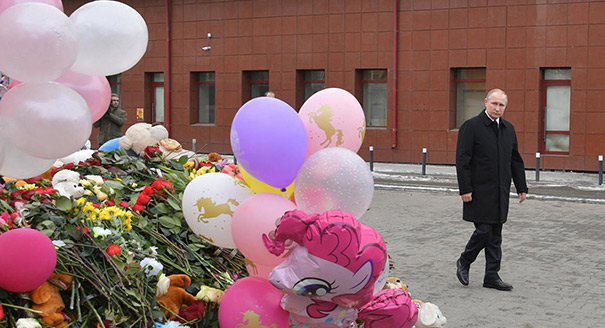
The symbolic and real dimensions of Russian politics are in radical contradiction of each other.
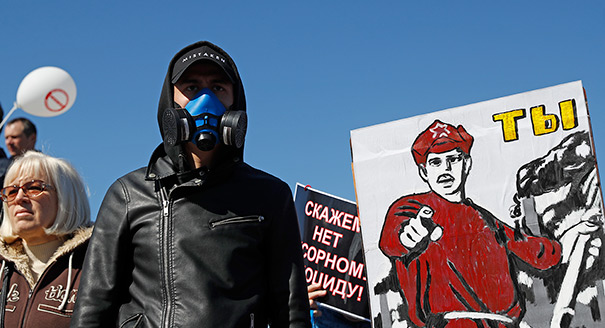
It’s a cliché in the Western discussion about Russia to portray Putin as a god-like force in Russian life who demands unfailing obedience from oligarchs and little people alike. Yet recent spontaneous protests in Siberia and a small town near Moscow show how quickly average citizens can mobilize to rail against injustice and the stunning incompetence of their country’s rulers.
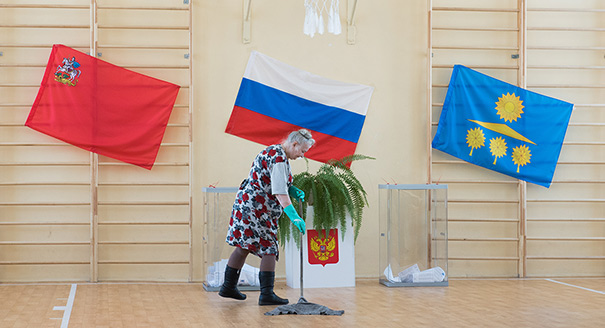
Vladimir Putin is beginning his fourth term as president of Russia. Andrei Kolesnikov, the head of the Domestic Politics and Political Institutions program at the Carnegie Moscow Center, discusses the elections results, some surprises in the presidential race and what comes next for Russia.
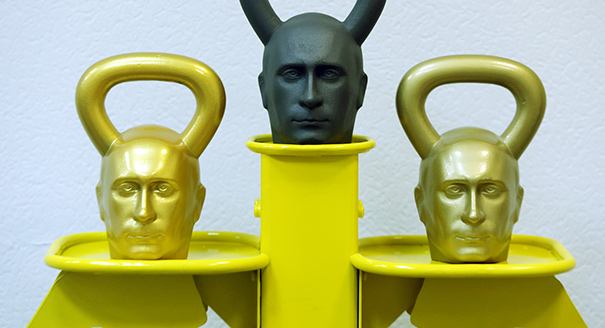
A consensus among the Kremlin’s supporters has become an ideology: Russia may have problems, but it is united by anti-Western, isolationist, and conservative values.
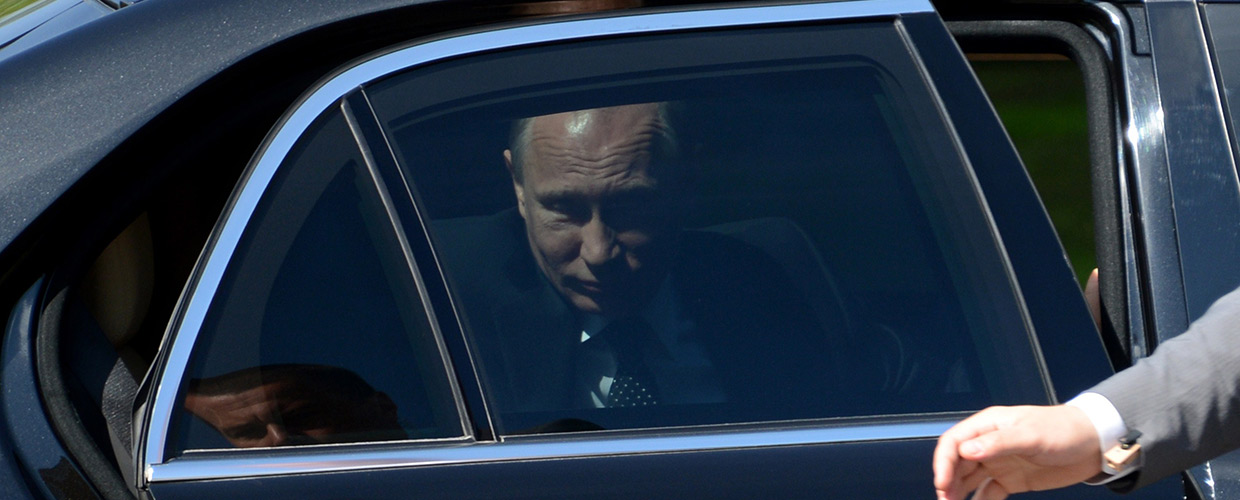
Andrei Kolesnikov, in his review of books by Shaun Walker, Masha Gessen, and historian Serhii Plokhy, analyzes the authors’ view on the phenomenon of the influence of the past on the present and future of Russia.
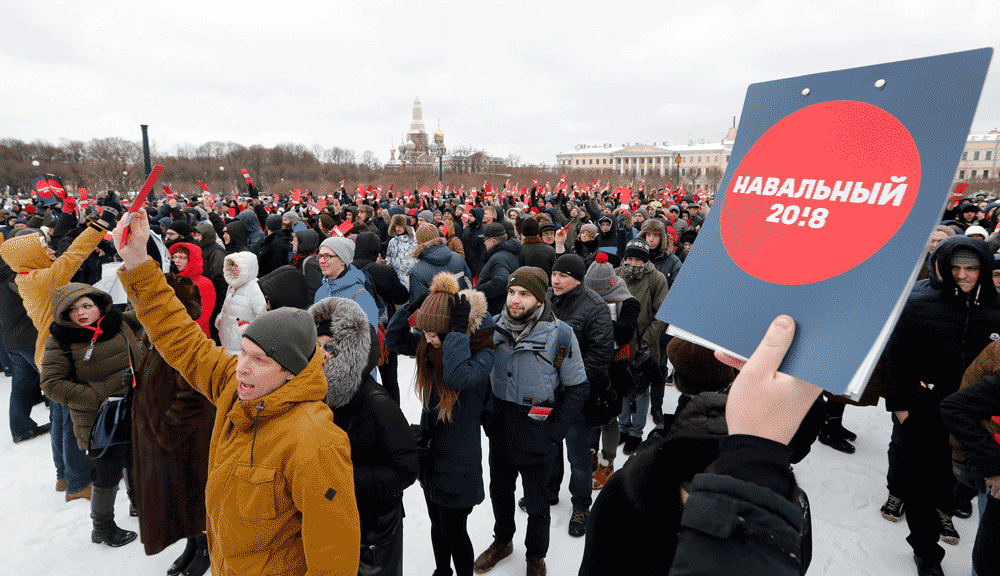
Jen Psaki sat down with Andrei Kolesnikov and Andrew Weiss to discuss what to expect from the upcoming Russian elections, how President Putin has changed, and the surprising results from a new poll about the desire for reform within Russia. (Runtime - 14:00)
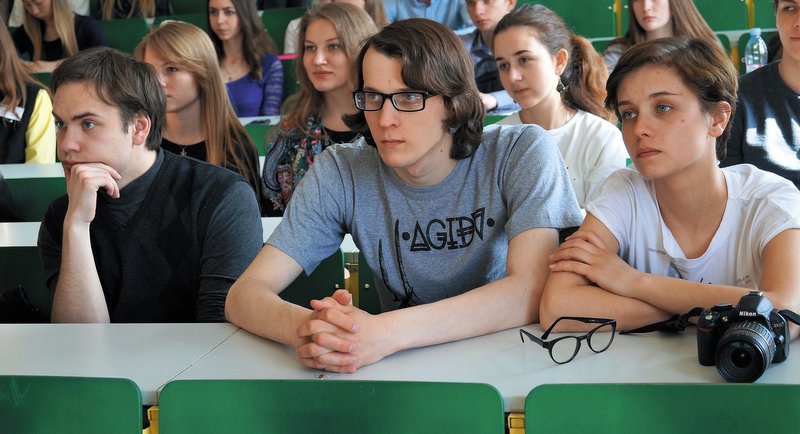
Most Russian citizens do not express a strong desire for sweeping change and do not have in mind a specific road map for reforms. And yet most Russians understand that the country cannot move forward, or even stay in place, without reforms.
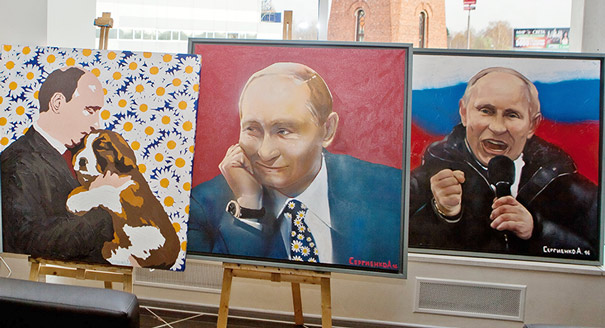
Do not expect modernization after Putin’s 2018 reelection. Instead, the system he built will function on autopilot as the Russian leader continues to lose direct control over events, ideas, and actions. But that doesn’t imply democratization. In essence, the head of state finds himself chained to the galley that he built himself.
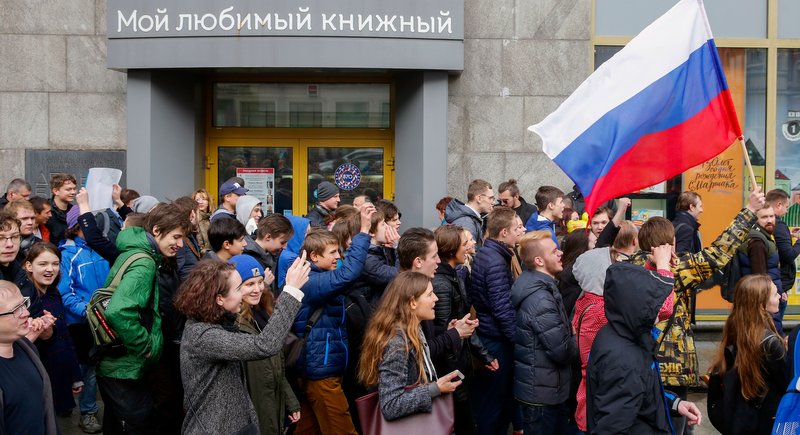
Russians do not express an overwhelming desire for change. Few understand how it could occur in their country. But most recognize that Russia cannot move forward without reform.
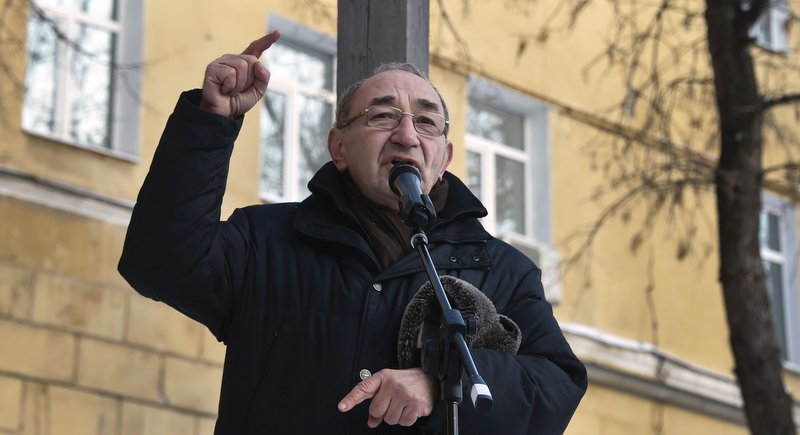
Arseny Roginsky, founder of Memorial, was the embodiment of freedom. While Soviet authorities considered him to be anti-Soviet, he could best be described as, simply, not Soviet at all. Roginsky was a patriot of his country; his main goal being the protection of Russian history from the state’s attempts to obliterate its crimes.