Carnegie Moscow Center

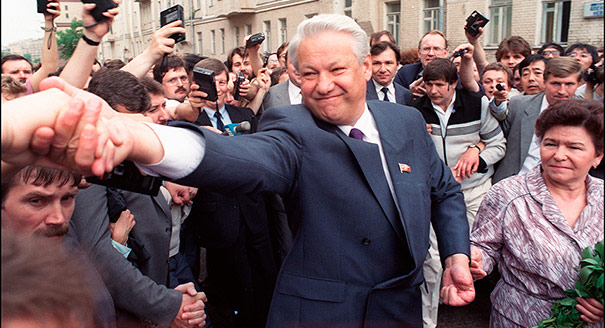
Ten years after Boris Yeltsin’s death, we’re only beginning to grapple with the legacy of his transformative presidency.
Russian authorities have nothing else to say because they have lost the ability to communicate either in real or in virtual time, and they have never learned the language of today’s reality. In this reality, not all dissent is political; some of it is a moral stance against dishonesty.
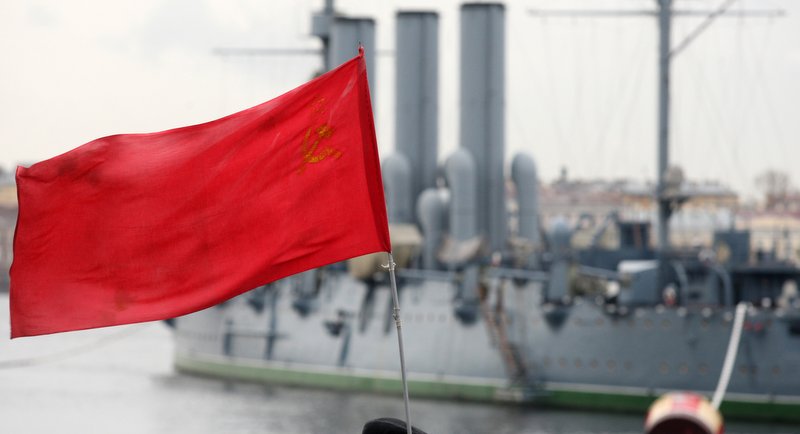
Russia is locked in a battle between official history (the story of the state) and counter-history (the story of civil society and the memories of the people). With the centenary of the October Revolution this year, the clash will move to the center of public life.
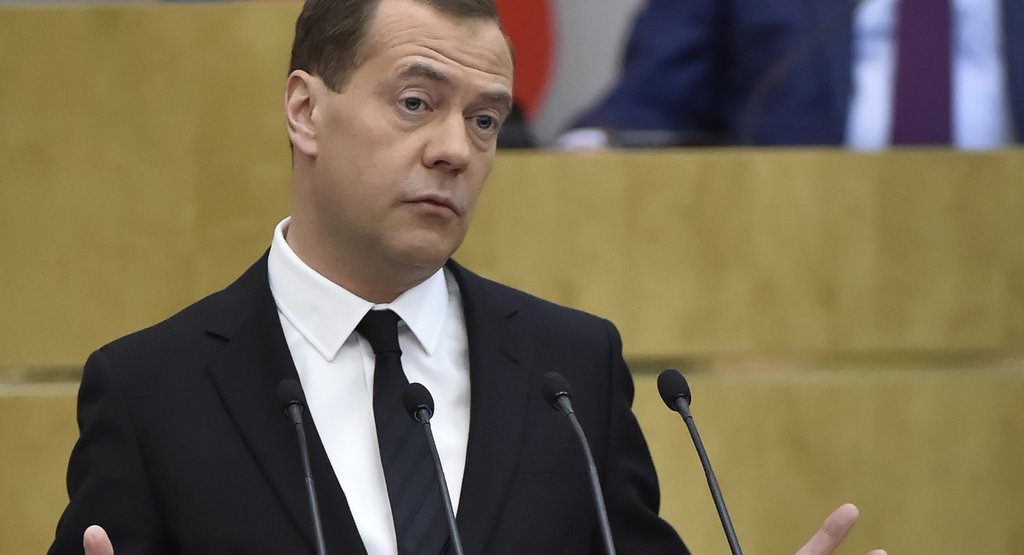
“Medvedevgate” will be forgotten quickly, however, an after-effect will remain, if only because this story revealed the political and economic workings of Russia’s current elite. It provided an inside look at how money and luxury serve as the lifeblood animating Russia’s body politic.
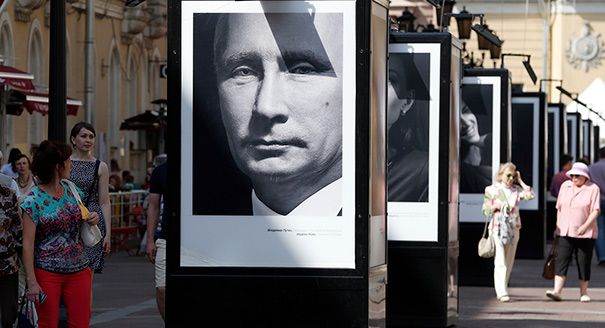
It’s completely rational for the elites to avoid change, although it betrays their inability to look beyond the horizon. They are not frightened enough by the current stagnation to initiate changes in the system for their own sake. But what they do fear greatly is losing everything all at once by pulling some crumbling brick out of the system, causing the whole construction to come crashing down.
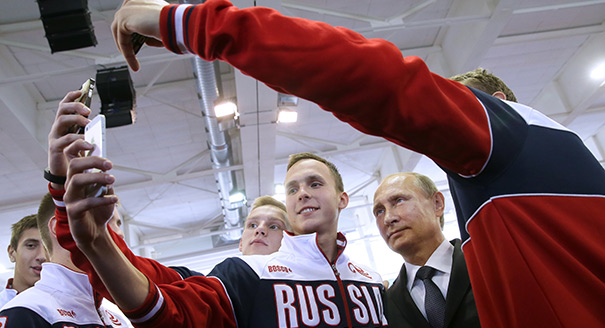
The president embodies the ambitions of a country that is proud of its history and means to retain its role within the international community.

I was able to read the secret police files of my grandfather, who died in the Russian gulag in 1946, and then cross-reference the names of the men who persecuted him in the new database published by Memorial. Russia’s grandsons need to confront the truth about what their grandfathers did—but the Russian state would prefer its people to live with historical amnesia.
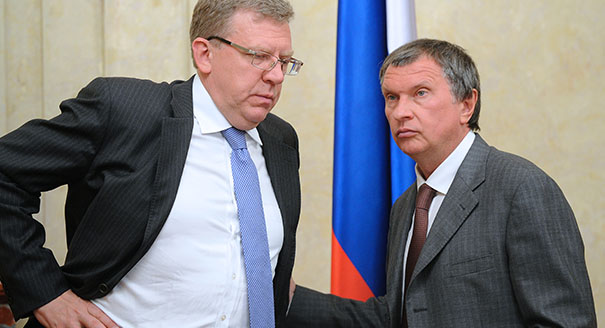
Putin is creating the environment that can provide him with security and insurance and control the wars with the Kremlin’s inner circle. Russia’s political elites have already received a lot of signals from him: If somebody behaves in a wrong way, he will be either dismissed or accused of corruption.
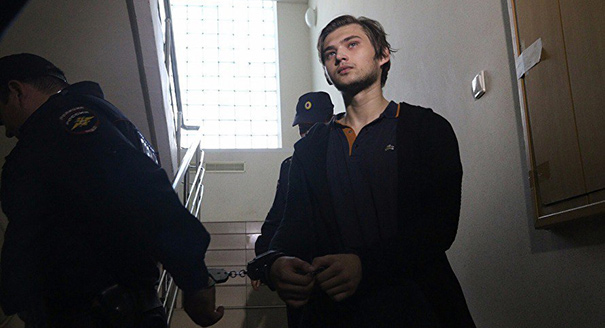
Public expression of atheism can now get a Russian citizen punished by the state. The jailing of a young blogger in Yekaterinburg is symptomatic of a culture of intolerance in which church and state work hand in hand.
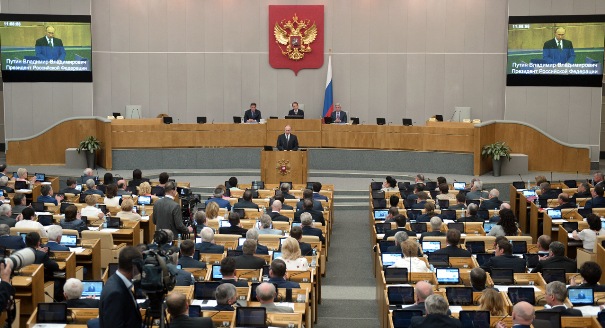
The 2016 parliamentary campaign isn’t just a test run for the 2018 presidential race. Russia’s political regime is in search of a governing model that will help it sustain the status quo for the foreseeable future.