Carnegie Moscow Center


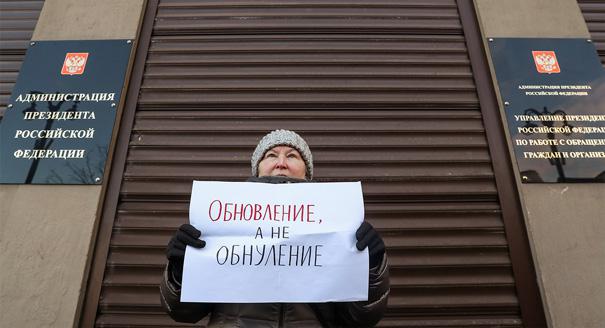
Faced with a pandemic, growing inequality, and widespread dissatisfaction, the Kremlin has launched a series of measures aimed at consolidating Russia’s authoritarian political system. Will they work?
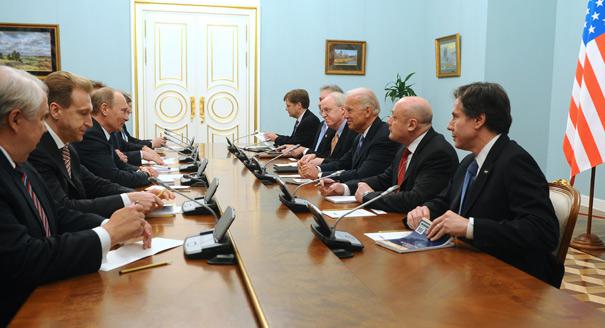
What action the Russian authorities take largely depends on the early actions and statements of the Biden administration. If Biden’s team shows a rational approach to possible areas of cooperation, that will at the very least delay any large-scale anti-American propaganda campaign.
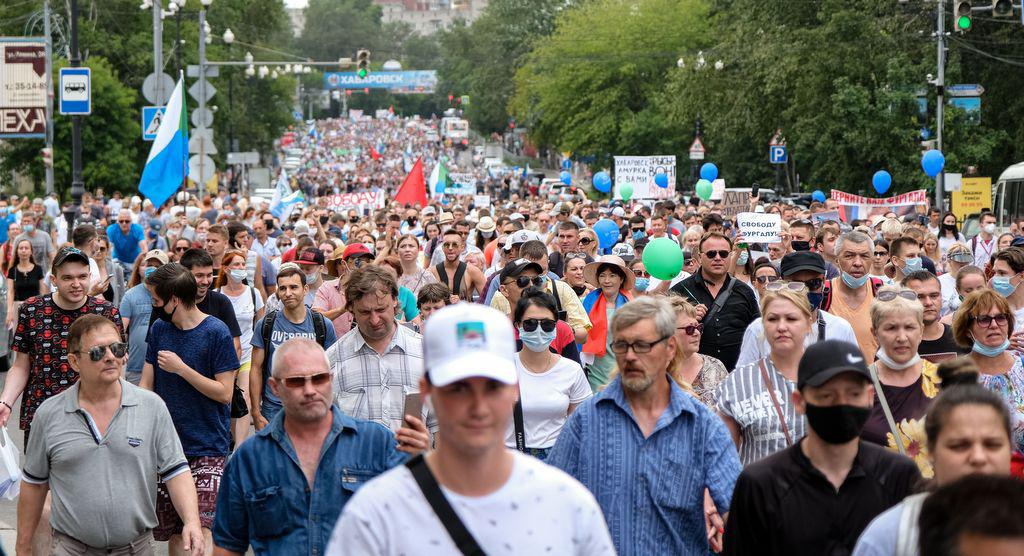
The protest in Russia is becoming increasingly anti-Putin, as the example of Khabarovsk shows. From all flanks, left and right, not specifically liberal.
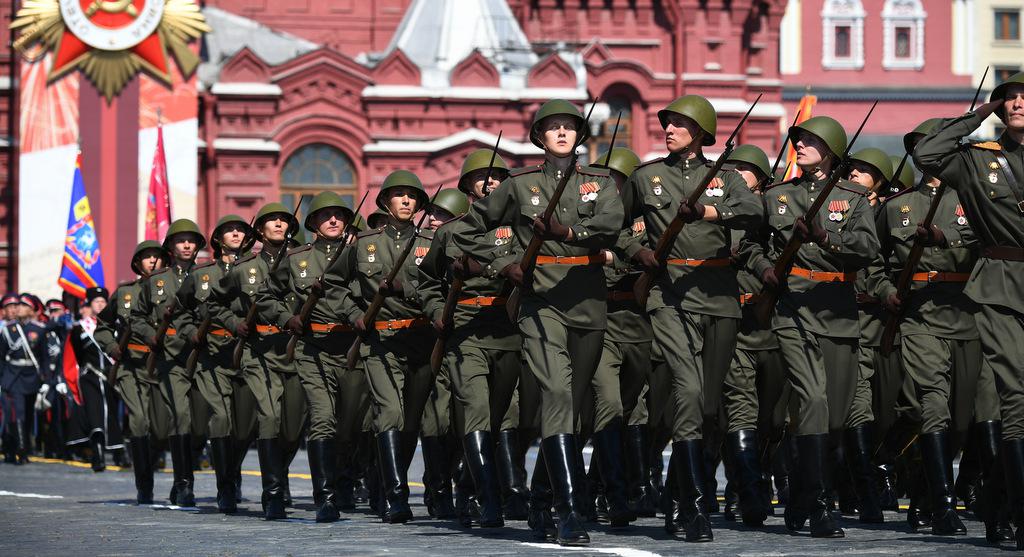
Russia needs to restore, rather than erase, the memory of the millions of victims of totalitarianism and cease putting it in competition with the memory of those who fell in battle in World War II.
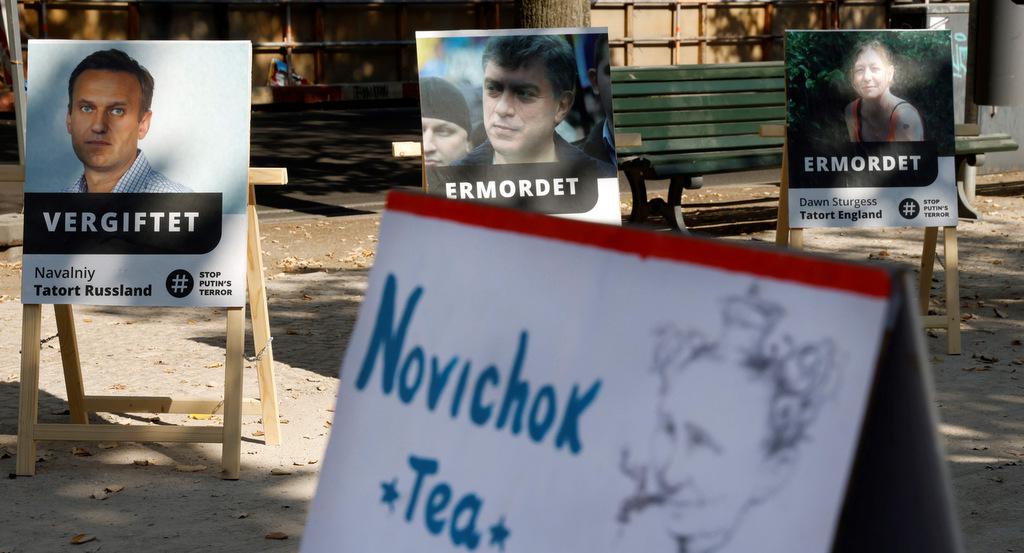
The Kremlin will face a new Navalny, protected by a force field of Western public opinion.
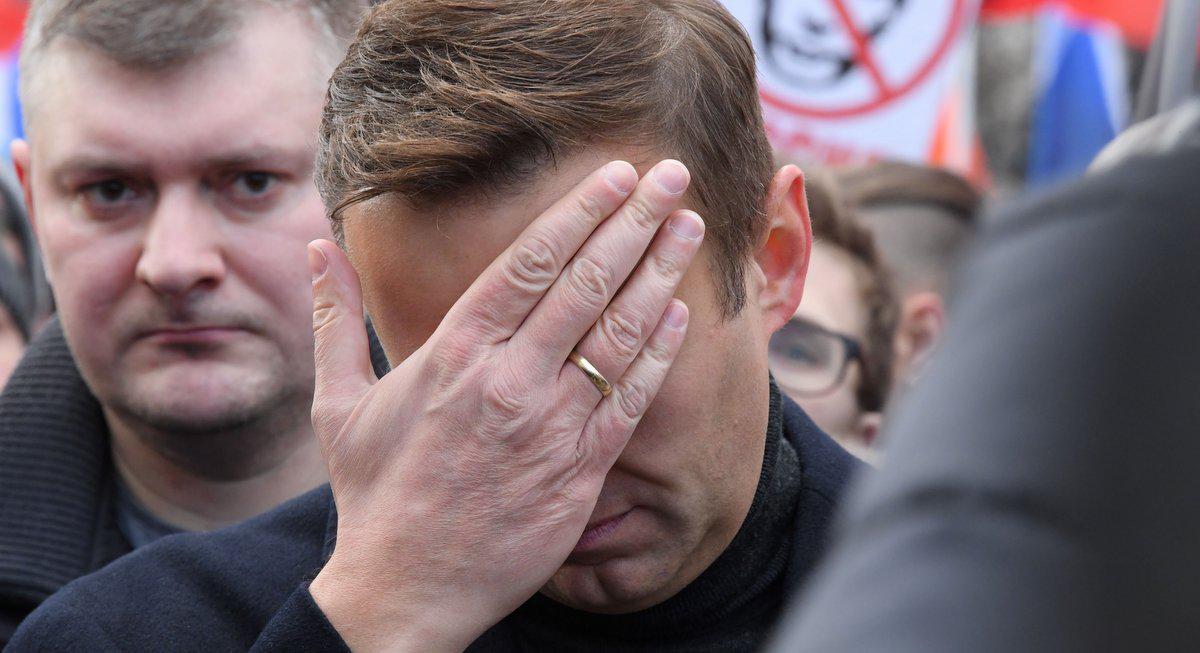
A new cold war is being waged without rules and without any kind of visible desire from the Russian side to initiate a new “détente,” or at least a “reset”.
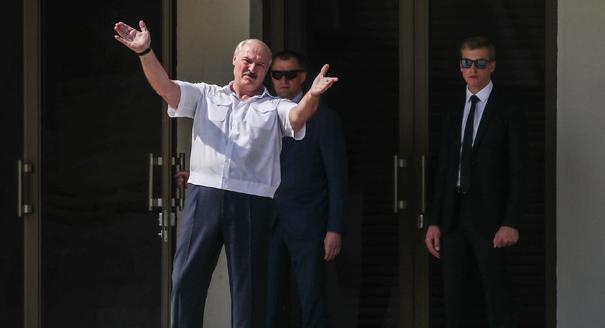
Lukashenko faced the classic autocrat’s dilemma: avoid a revolution by making compromises and introducing elements of real democracy, or—regardless of the growing price of hanging on to power—fall back on costly repression with costly consequences.
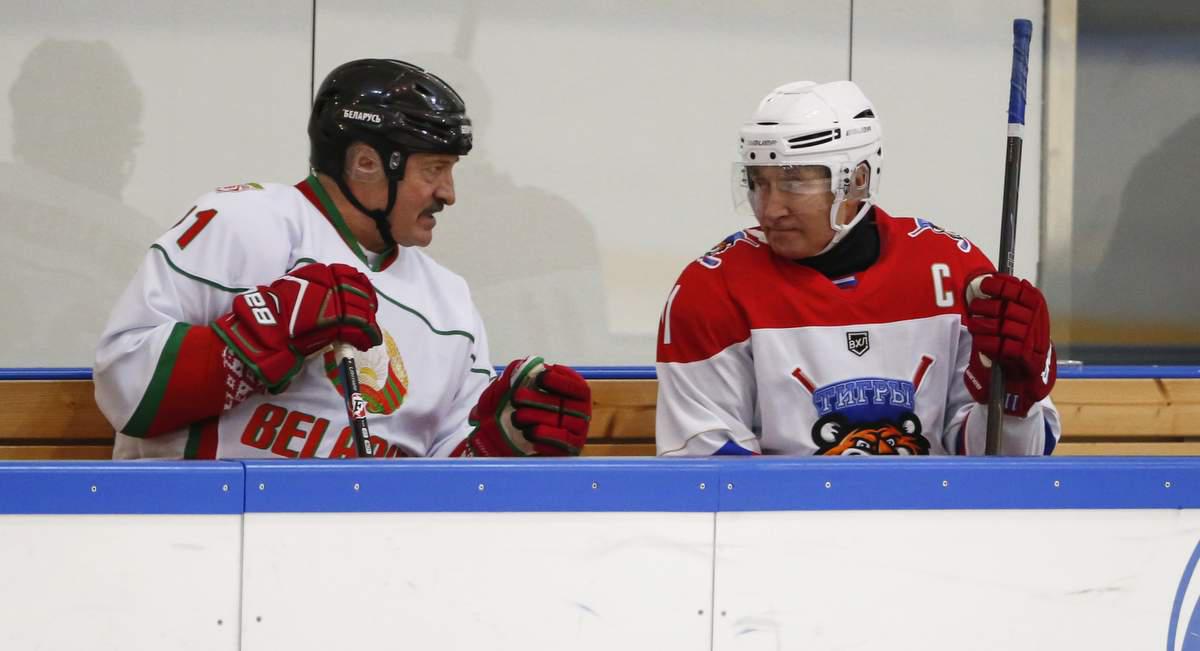
In Russia and Belarus, civil societies are uniting faster than the two countries themselves.
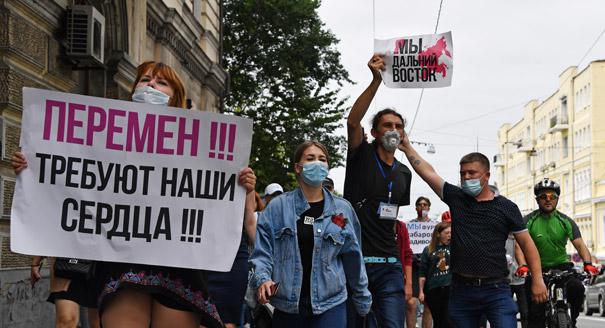
Each new wave of Russian protests since 2011—whether political or initially depoliticized (over landfills, housing development projects and so on)—is at heart prompted by an insult to people’s dignity.
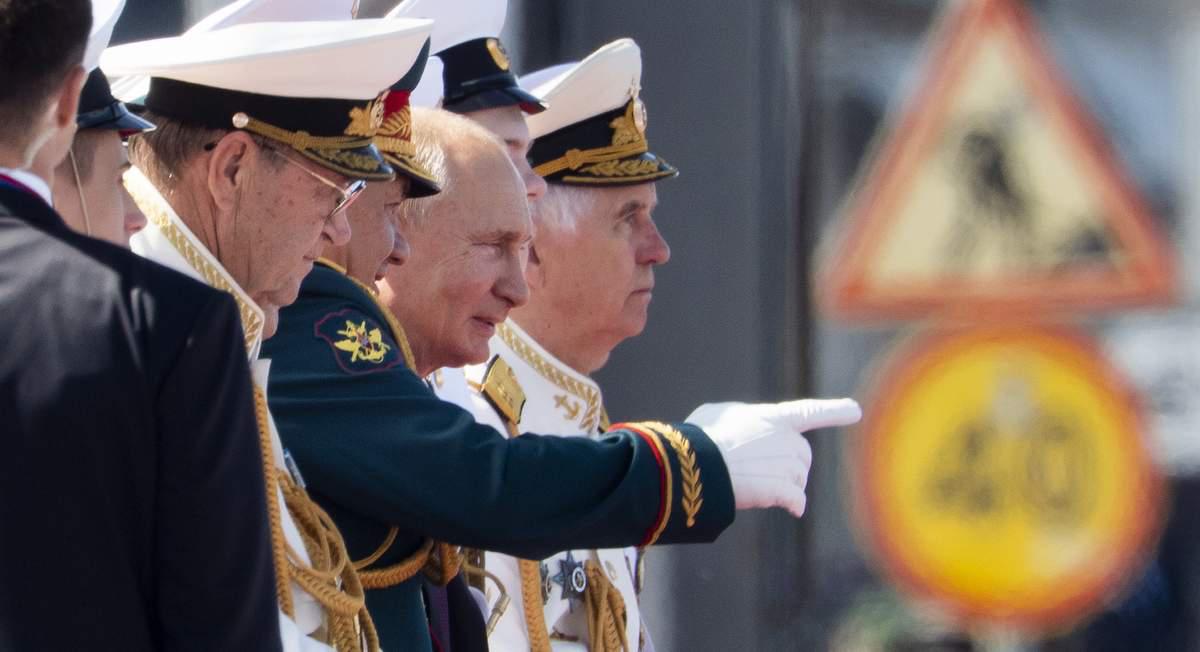
By laying the constitutional groundwork to remain president for life, Vladimir Putin is engineering a further “Francoization” of his regime. But while Francisco Franco at least had a successor in King Juan Carlos, Putin has no such thing, which could spell chaos for Russia.