Carnegie Moscow Center


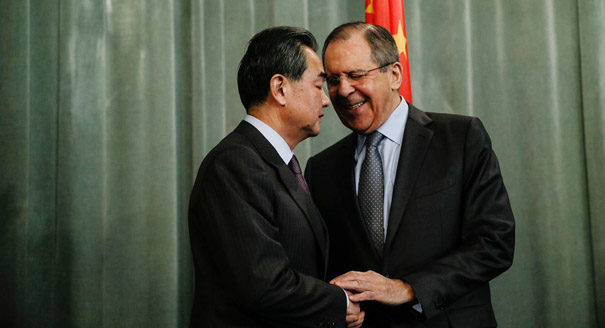
The future of Sino-Russian finance cooperation is difficult to predict, as is the trajectory of these two large countries. If the current fundamentals are still there we may expect to see deepening partnership.
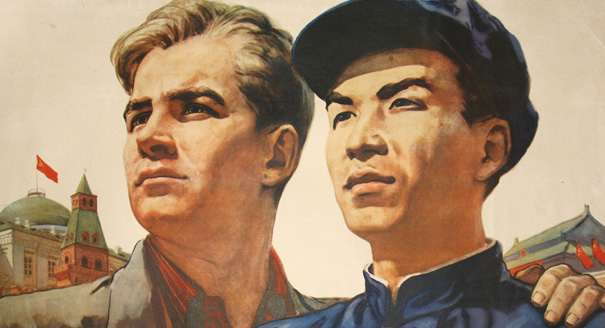
Two years after the Kremlin’s rift with the West, Moscow’s hopes that a new business relationship with Asia would make up for Russia’s losses have not materialized. President Putin and other members of the elite did not commit themselves strongly to the idea of a “pivot to Asia.” Only certain parts of the private sector have benefited.
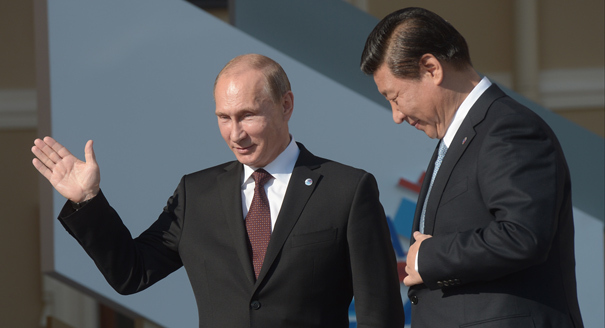
The likely evolution of Sino-Russian ties will be towards a partnership, where one side (Moscow) will be more dependent on the other side (Beijing). The picture may be very different if the EU-Russia relationship radically improves, but this is unlikely to happen.
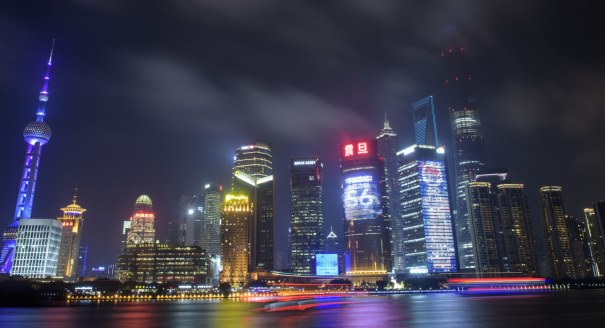
While Moscow and Beijing are unlikely to see much political friction, three economic areas offer possible points of contention: the Shanghai Cooperation Organization, ASEAN, and the Silk Road Economic Belt project.
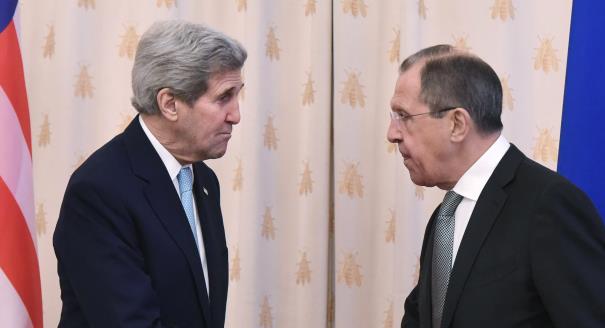
In comparison to 2014, 2015 was at least a somewhat positive year for relations between Russia and the West. However, it is unlikely that these relations will improve in the near future.
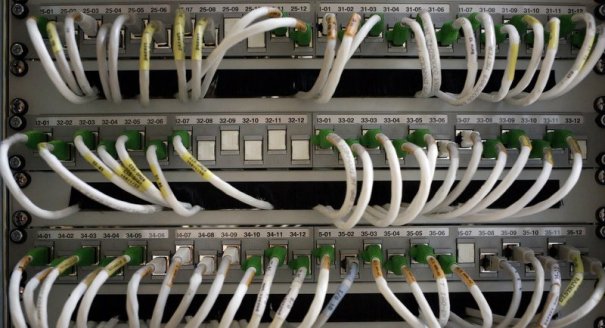
Sino-Russian digital cooperation is robust and mature. This relationship is much broader than a simple alliance of conspiracy-minded governments seeking to protect their citizens from hostile forces.
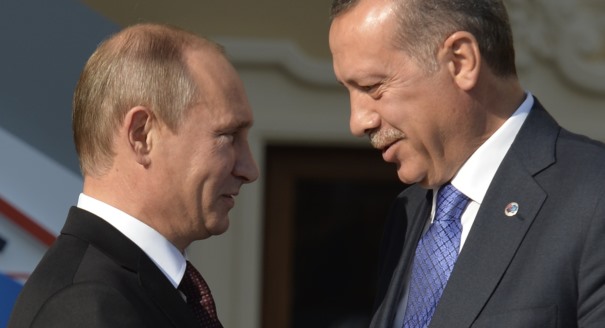
The conflict between Moscow and Ankara may make it difficult to reach an agreement on a future political settlement in Syria and further diminish the chances of a meaningful anti-terrorism alliance between Russia and the West.

China’s ambitious plans for a new Silk Road of railways, highways, and pipelines are driven by both domestic economic needs and geopolitical ambitions. Russia and the states of Central Asia have yet to make a substantial input into the project.
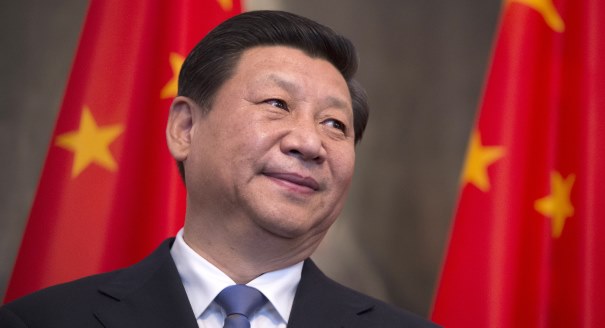
The recent decline in the Chinese stock exchange reveals economic weaknesses that Russia had been trying to ignore. Russia’s relationship to China has too many emotional mood swings and needs to be more pragmatic.
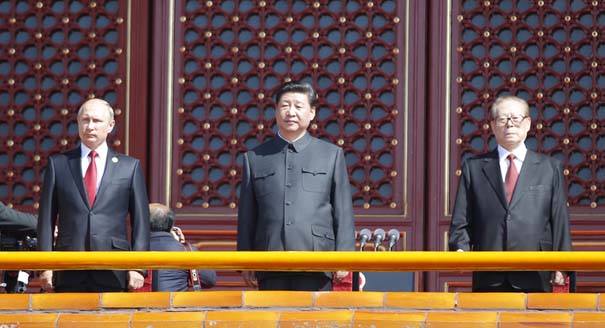
Putin's visit to China is his first since the West's introduction of sectoral sanctions against Russia. Moscow’s hopes for greater engagement with China have gone unfulfilled. Due to falling commodity prices, sanctions, the volatility of the ruble and the economic crisis in Russia, trade and investments continue to decline, while agreeing on new deals is becoming increasingly difficult.