Carnegie Moscow Center

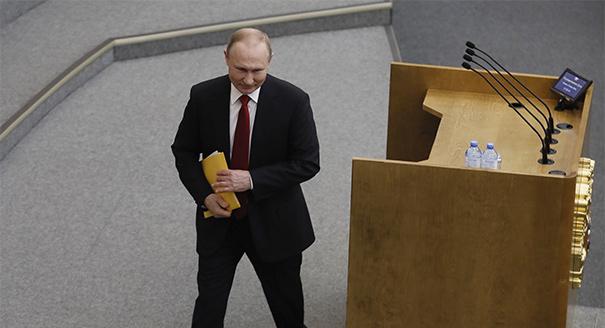
Putin, a man torn by conflicting impulses, has opted for stability in moving to stay on as president after 2024. In doing so, he surprised the elite and even some in the presidential administration, deceiving those around him—though not the public—with his talk of changes in leadership and overhauling Russia’s political system. His real intentions are impossible to know, but his priority is clear: keeping his options open.
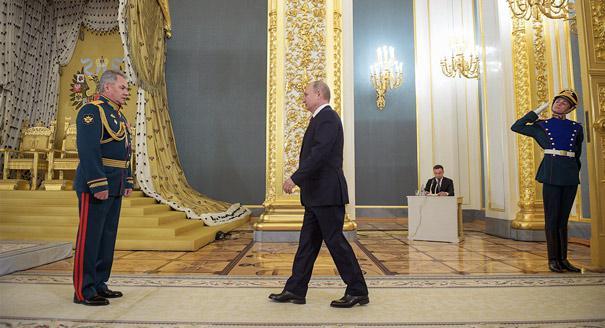
President Putin has embarked on a renewal of Russia’s ruling regime to make sure it weathers the political transition of 2024 and to preserve his personal power-base. The elite can be divided into five distinct groups, two of which, the “protectors” and “technocrats” may end up in a fierce ideological fight.
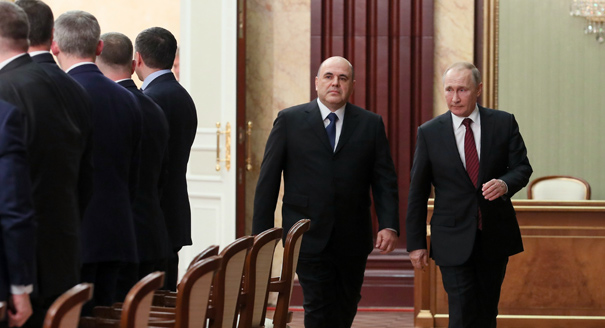
Russia’s new cabinet ministers are young, efficient, nonconfrontational, adaptable, and don’t poke their noses into politics. They live in the digital world that is so difficult for the country’s aging leadership to understand. With time, the victim of this technocratic dominance may be that very same leadership.
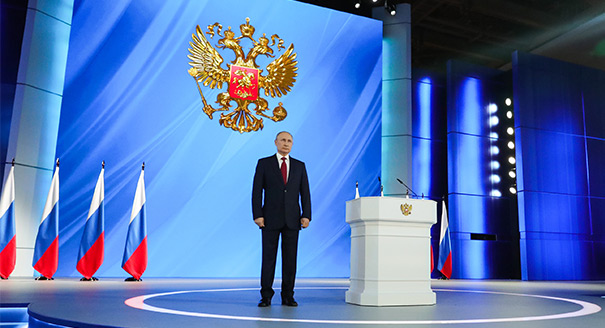
Putin’s proposed amendments to various roles amount to something resembling an insurance policy, which suggests that the president has already decided who his successor will be, though he may not name that person for another three years.
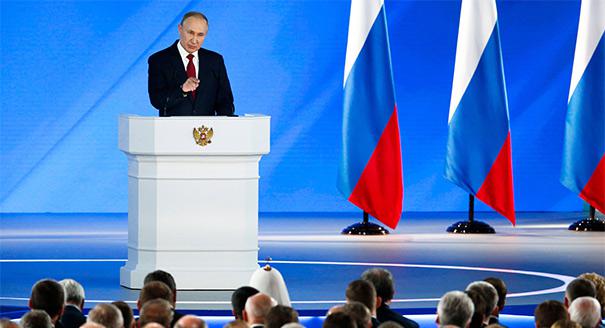
President Putin’s unexpected proposals this week to change the Russian constitution prompted the instant resignation of the Russian government. What’s he trying to achieve, and will he succeed?
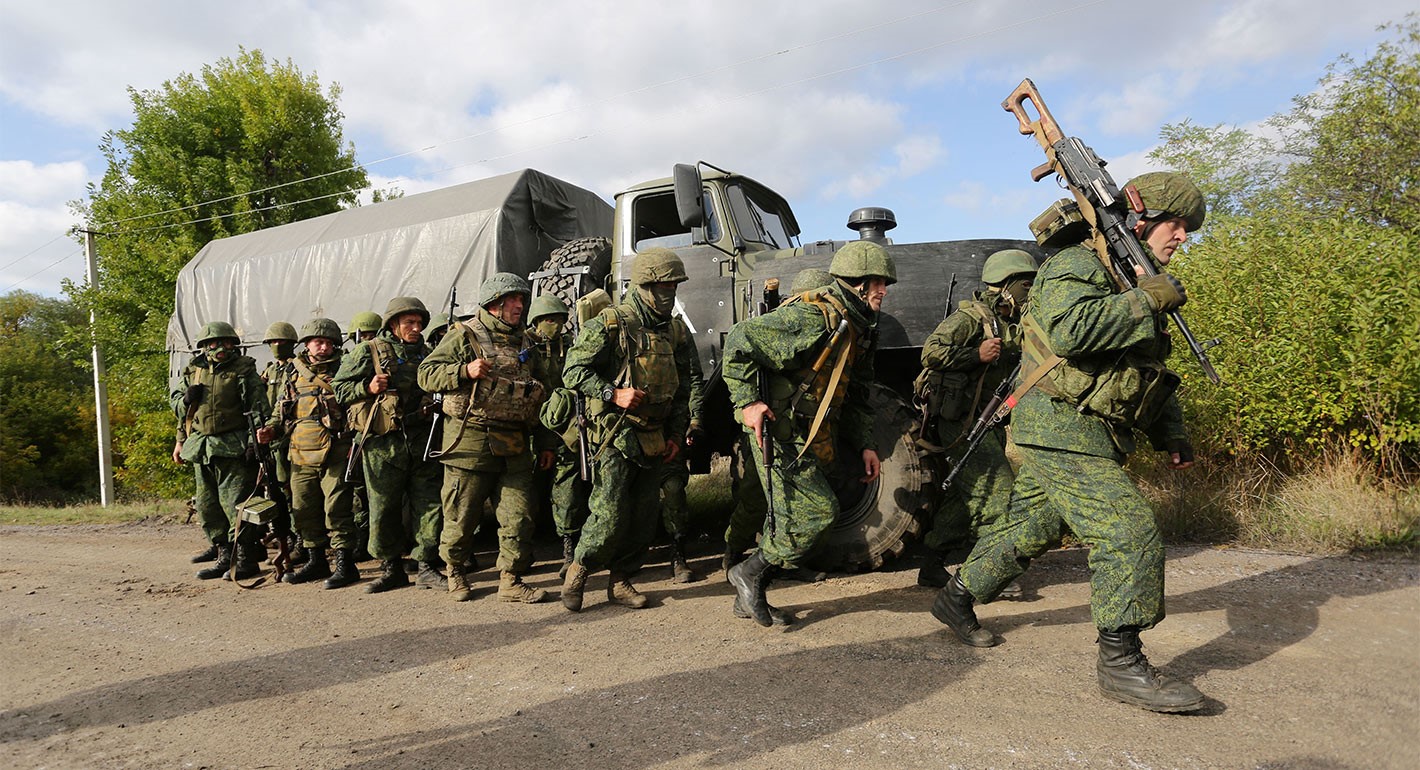
Moscow never wanted an annexation—it just wanted a bargaining chip. Understanding that is the key to settling the conflict once and for all.
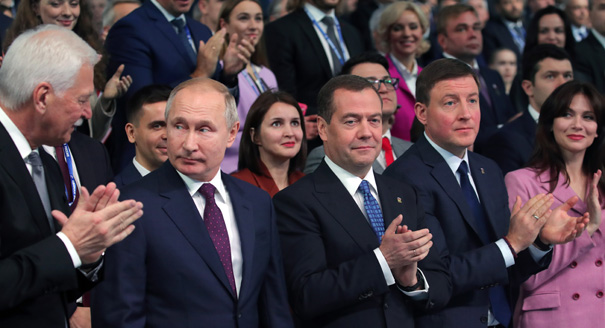
The ruling party will clearly retain its central place under any future scenario for the transition of power, and anyone who hurries to jump on the bandwagon today will likely come out on top.
Amid the uncertainty over what will happen when Putin steps down in 2024, everyone is striving to claim exclusive functions that could later be required by Putin during the implementation of his plan for the transition of power.
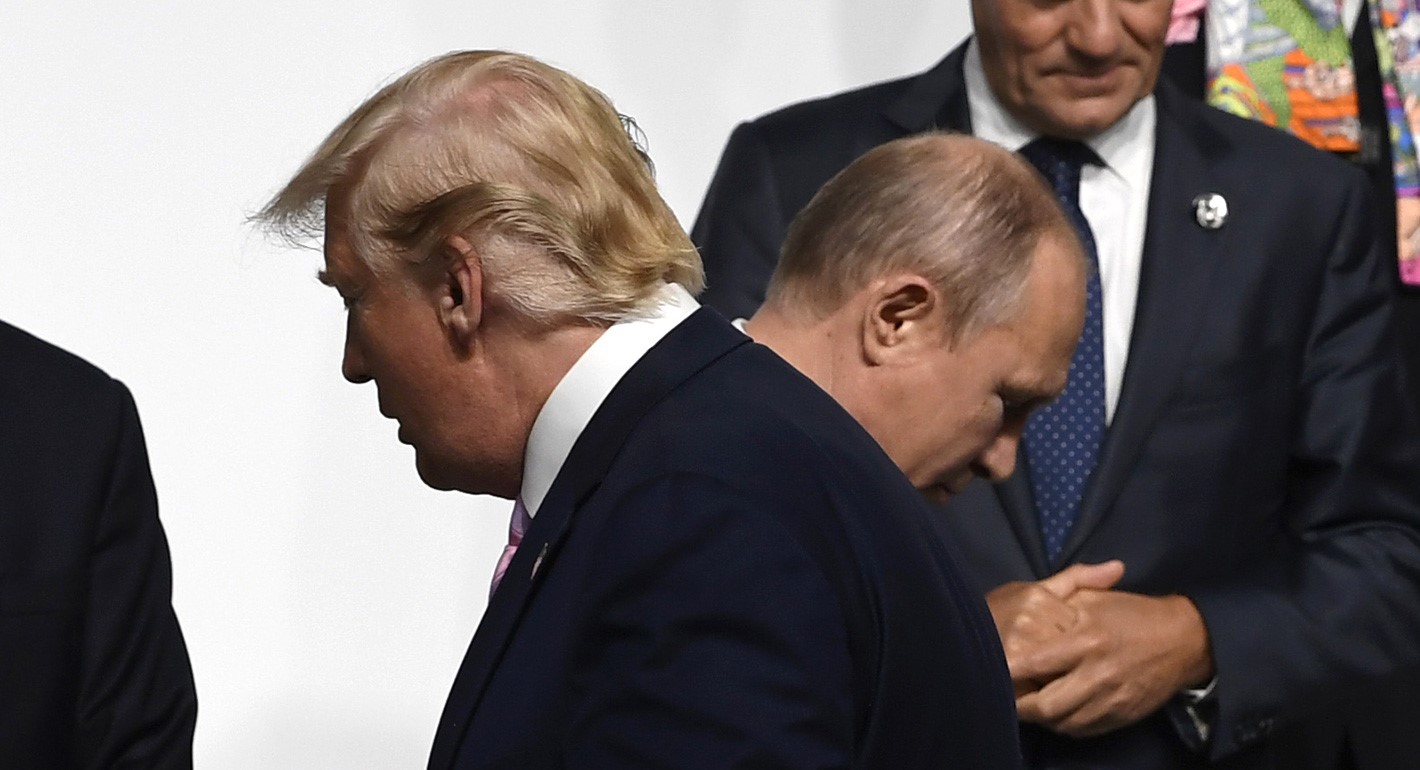
There’s one thing the Kremlin wants even more than sowing chaos in the United States: Keeping Trump in the White House.
After two months of trial and error in dealing with the Moscow protests, it looks like the Russian authorities have started to define their red lines. As before, the slightest physical resistance to the authorities is met with harsh punishment, but the siloviki have stopped short of openly fabricating cases: not for the sake of society, but because this concerns the president too. The level of repression is abating, together with the displeasure of the civilian section of the elite closest to the president, which had been alarmed by the siloviki’s attempts to alter the status quo.