Carnegie Moscow Center

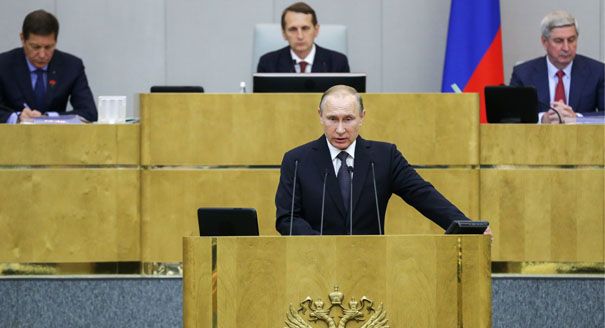
Putin’s address was deeply conservative in content and artfully liberal in rhetoric. He frames being elected to the Duma as being elevated to the ranks of the chosen few. The right to be a Putinist is celebrated, and it’s out of the question that the institution might let in “irresponsible forces”: real threats to power.
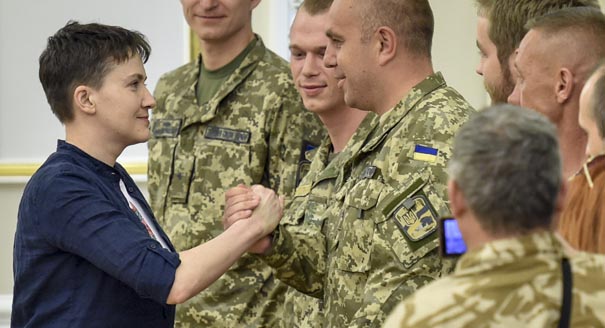
Vladimir Putin’s decision to pardon Nadezhda Savchenko was a purely pragmatic one. Left with no viable alternatives to freeing the Ukrainian pilot, Putin was forced to make a concession that may not sit well with the Russian population, which has come to see Savchenko as a symbol of the “Kiev junta.”
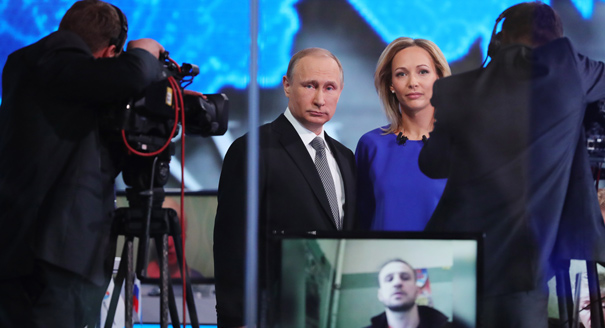
Vladimir Putin’s performance at the annual nationwide “direct line” phone-in shows he is again prioritizing domestic politics. His answers signaled the start of a 2018 reelection campaign, as he presented himself not as the global strategist of last year but as a domestic manager once again concerned with ordinary people’s problems.
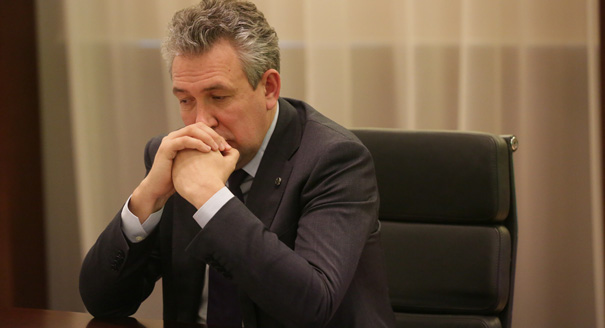
The appointment of a new head to Russia’s development bank VEB is an example of a new technocratic shift to deal with the economic crisis. These technocrats are generally proxies for powerful figures in the elite. Eventually, they could become an elite of their own.
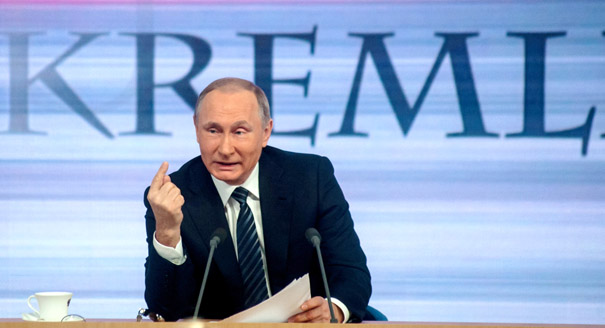
Vladimir Putin has stopped being the charismatic champion of the people and become the champion of the elite. He has changed into Putin the Strategist, focused on geopolitics. Losing interest in the detail of domestic policy, he has become part of the oligarchic system he created.
Vladimir Putin takes advice from three distinct groups of foreign policy ideologists who can be labeled warriors, merchants, and pious believers. Each of them serves a role, but they have very different views of how Russia should develop.
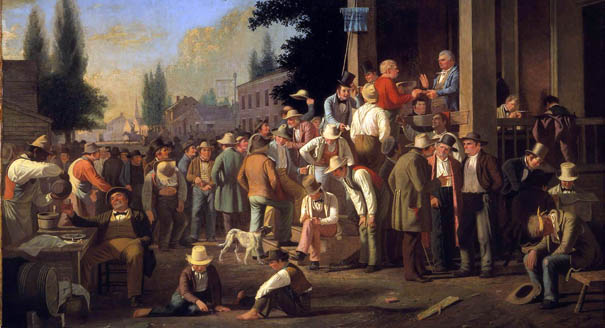
Local elections in Russia last weekend seemed to confirm the dominance of United Russia, the “party of power.” But the Kremlin may be forced to end its reliance on United Russia before next year’s Duma elections.
The joint public work-out by Vladimir Putin and Dmitry Medvedev sent a political message to the elite and the general public. Loyal professionals are required to deal with the current crisis and the president needs his prime minister again.
The Russian government provoked controversy with mass destruction of European food. The government could not allow its counter-sanctions policy to be seen to be failing and is exploiting different attitudes to banned Western products amongst the opposition and the general public.
The Kremlin believes that participation in elections would mean creating a political alternative that could become dangerous in the future. Alexei Navalny will therefore be barred from the parliamentary campaign in any capacity, but some alternative political outlets for his supporters may emerge