Carnegie Moscow Center

The 2018 Russian presidential election will be the beginning of Vladimir Putin’s presumed final act as he seeks to ascend to the pantheon of Russia’s great historical figures. But as Putin loses interest in some of the more down-to-earth details of government, the Kremlin is testing new models of technocratic rule in order to sustain the regime.
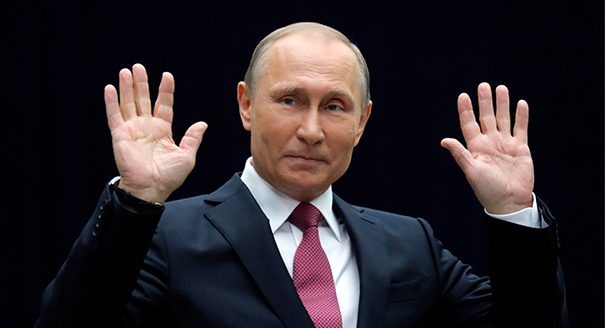
This year’s Direct Line with Vladimir Putin revealed that politics has been entirely removed from the public sphere in Russia. Government decisions are now made with zero input from the people.

By inviting Putin to Versailles, Macron threw his hat in the ring for the role of a new geopolitical leader in Europe. He made this decision in the context of not just bilateral relations but also France’s relations with the West and the EU. Macron is trying to demonstrate his ability to confront the bad guys, draw red lines, and differentiate between pragmatic objectives and overarching values.
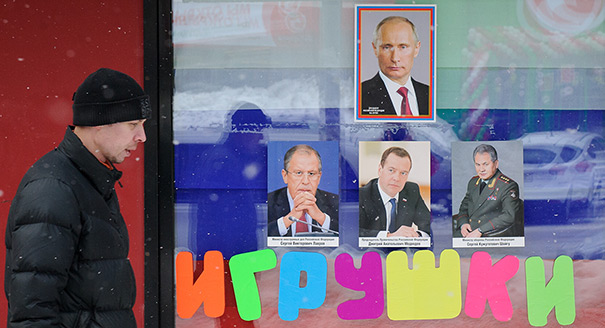
How can Vladimir Putin avoid the political fallout that will inevitably come from firing Prime Minister Dmitry Medvedev? Facing corruption allegations and losing support within the government, Medvedev is quickly becoming a “suitcase without a handle” for Putin.
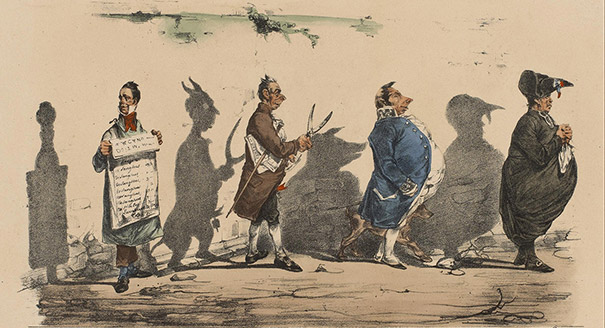
In political systems that block change through elections, the main guarantee of a regime’s stability is its capacity to absorb a potential counter-elite. At the moment, the regime is preventing any such renewal from occurring. Yet a counter-elite is in the process of formation nonetheless—one that can eventually take Russia in a new direction.
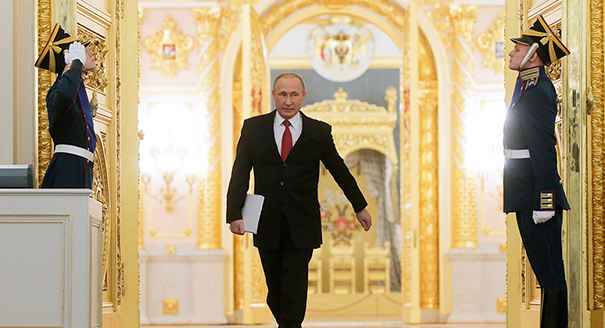
Vladimir Putin’s annual address to the Federation Council typically lets him map out the country’s foreign and domestic policy course for the coming year. Yet Putin’s speech this time—one of his longest and strangest ever—was essentially an admission that he has little sense of what the events of the coming months will bring or how he plans to deal with them.
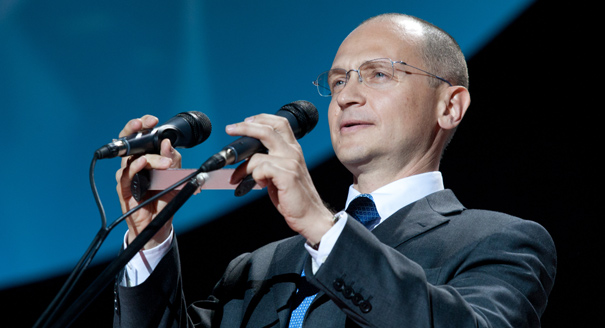
The nominal architects of the internal political machine must be replaced with operators: people who will manage the status quo without changing its fundamental principles. This is the role that Sergei Kiriyenko is going to play. It’s a case of the trends dictating the logic of the management, rather than the manager setting the trends.
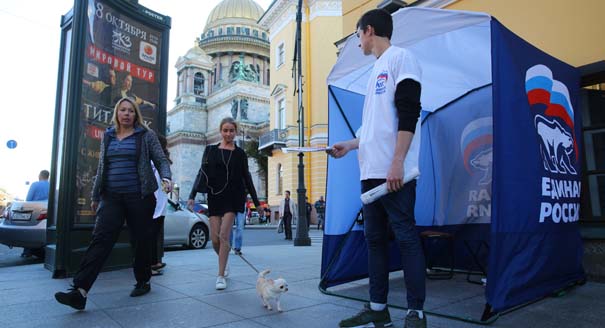
The detailed results of the forthcoming elections to Russia’s lower house of parliament are less important than the conclusions the Kremlin draws from them. Vladimir Putin’s system is less and less interested in old-style political competition. The new Duma can become a launching pad for those who want to make their careers in the new Putin elite that forms after the 2018 presidential election.
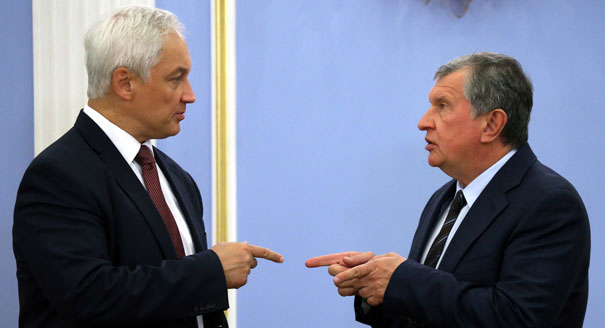
In the past, business deals could be secured if Putin endorsed them personally. Now, the Russian president seems to have stopped making promises to anyone; no deal is ironclad anymore.
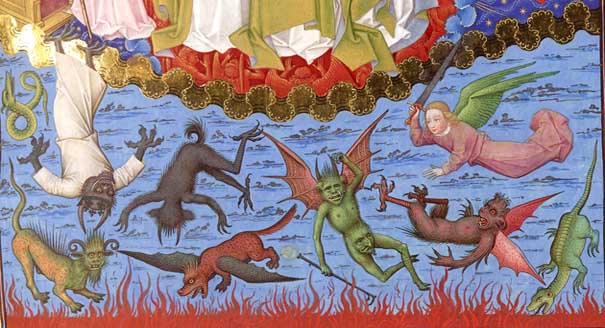
The Russian political system is changing from within. As Putin continues to appoint new personnel—including a new chief of staff—the divide between insiders and outsiders is disappearing; everyone is becoming part of the system, cogs in the United Putin machine.