Carnegie Moscow Center

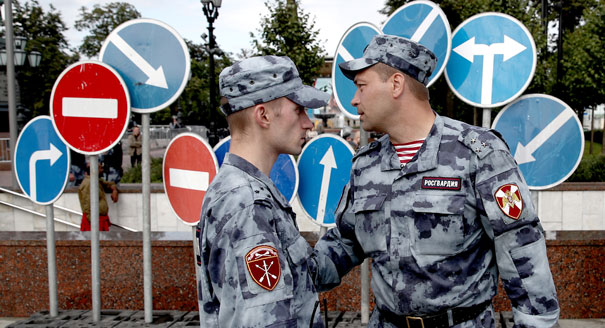
Russia’s government agencies are so busy competing with one another and presenting themselves in a good light to the Kremlin that they are failing to deal with the new street protests.

This month’s protests in Moscow over city parliament elections are proof that Russia’s non-systemic opposition has taken its struggle to be recognized by the Kremlin as a major political player to a new level. Faced with a foe that has seized the initiative, set the agenda, and brought people into the streets, the Kremlin is at a loss. Its brightest idea, it seems, is to forcibly disperse the protests and prosecute the demonstrators: an approach that risks the state’s takeover by the siloviki.
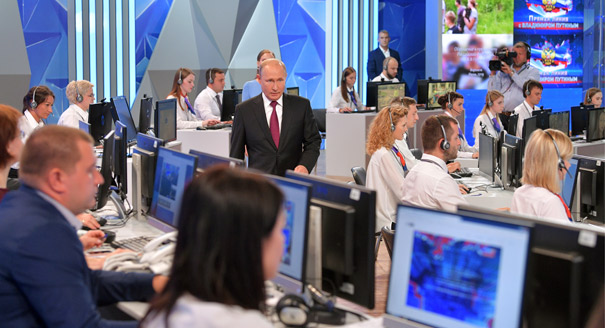
Putin perceives growing discontent with the authorities as a purely emotional reaction, based not on real problems but on society’s failure to understand the true picture. This means that no significant revision of the country’s social and economic direction should be expected. Instead, the president and society will suspect each other of being unreasonable and not understanding what is really going on.
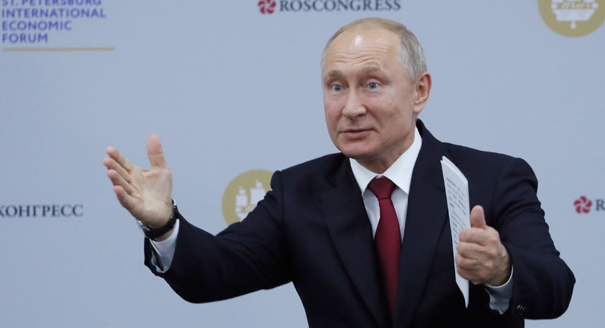
While the authorities used the St. Petersburg International Economic Forum to blame the United States for Russia’s problems, the forum’s main unofficial topic was the lawlessness and impunity of the security services, or siloviki. Faced with the question of what is preventing business and investors from developing in Russia, the authorities and the business elite had contradictory answers.
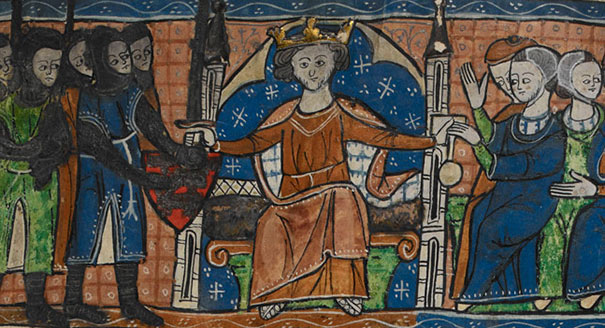
The Russian regime is less and less like a well-tuned orchestra with a confident conductor, and more and more like a cacophony in which every musician is trying to play louder and get more attention than everyone else. No one is focusing on the harmonious sound of the symphony. Instead, institutional and corporate priorities take precedence over national priorities, and are carried out at the latter’s expense. This political divergence has been provoked by Putin’s political absence, and fueled by a general fear of an uncertain future and lack of clarity regarding Putin’s plans.
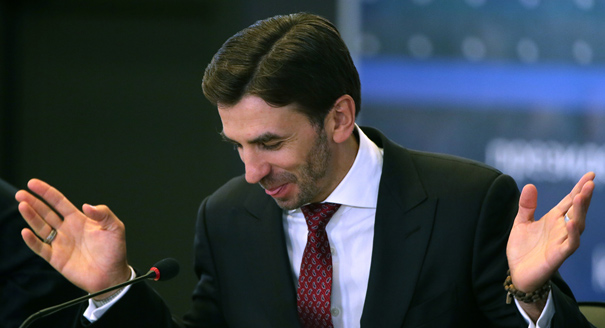
Abyzov’s arrest demonstrates that the prosecution of economic crimes is becoming chaotic, and that politics, which previously loomed large behind high-profile arrests, now appears only after the fact, as a secondary, albeit important, consequence.
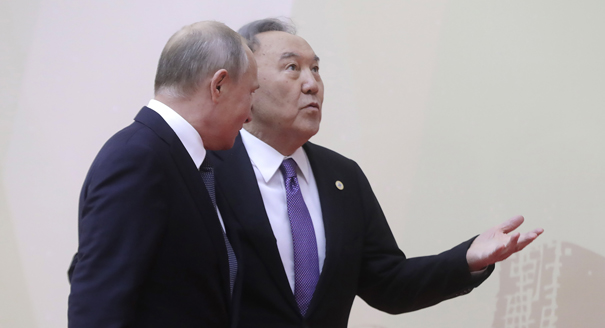
Unlike Nazarbayev, Putin was not as strongly affected by the death of the Uzbekistani President Islam Karimov and the ensuing division of power which ended badly for late president’s family. Will Putin even leave behind much that will need protection? It seems that his primary concern will not be family or the family business, but problems of another dimension: what will become of Crimea, Russia’s presence in Syria, and the country’s ability to assert its sovereignty and withstand the confrontation with the U.S. and NATO.
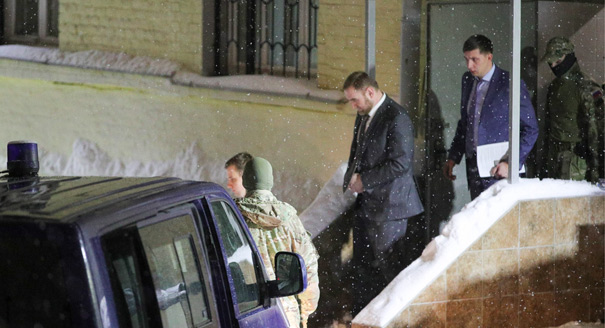
The powerful, monolithic, and robust state that Putin has been building since he came to power in 2000 is now devouring itself from within, demonstratively and ruthlessly locking up governors, ministers, and senators as though there were no Putin system or Putin appointees. The president, having focused too much of his attention on geopolitics, has opened the floodgates for the de-Putinization of the power vertical, creating a situation in which virtually no one except the head of state remains protected by the system’s legitimacy.
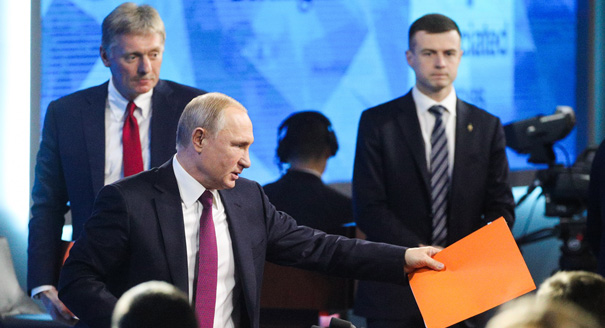
The main takeaways from Putin’s end-of-the-year press conference are that he has less and less room to maneuver on foreign policy, and that his optimism about a “breakthrough” in the domestic arena is clearly divorced from reality. Circumstances are forcing Putin to turn from geopolitical problems to domestic ones, and that is proving difficult.
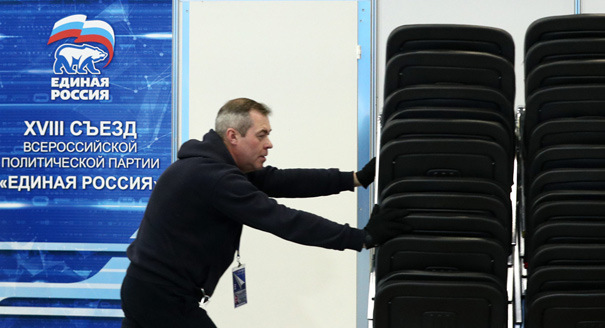
The United Russia elite will now be caught between two voters: Vladimir Putin, on whom domestic policy managers are oriented, and ordinary people, who increasingly express their discontent through protest voting. The more efforts the Kremlin makes to turn United Russia into a corporation, the more often United Russia politicians will look to voters, who have already proved quite capable of teaching the regime a lesson.