Carnegie Moscow Center


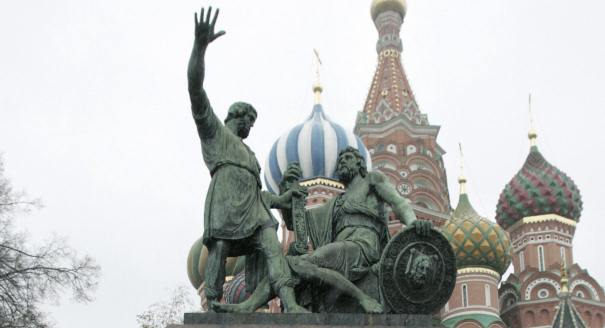
On November 4, President Putin spoke in the Kremlin about cohesion, consolidation, and indissoluble unity of the people of Russia. Government policies, in contrast, do more to deepen the xenophobic sentiments than to temper them. If the Day of National Unity was established as a step toward consolidating the Russian nation, today it sounds at best as a celebration of wishful thinking.

As outbursts of ethnic violence grow more frequent, the Russian government relies first and foremost on police measures, such as roundups, detentions, or tightened migration policy. The rhetoric of administrators of various levels increasingly caters to xenophobic sentiments which risks to incite such sentiments even further and lead to new ethnic clashes.
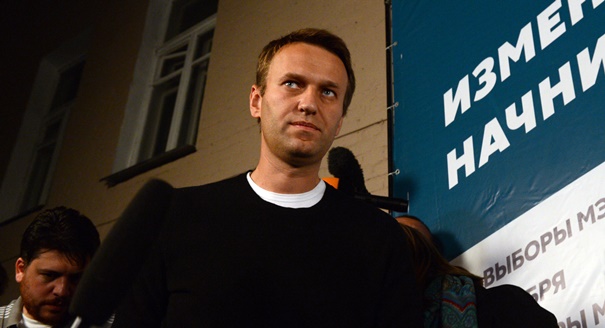
The post-Moscow-election situation, rather than consolidating the support for, and legitimacy of the system, has generated new uncertainties.
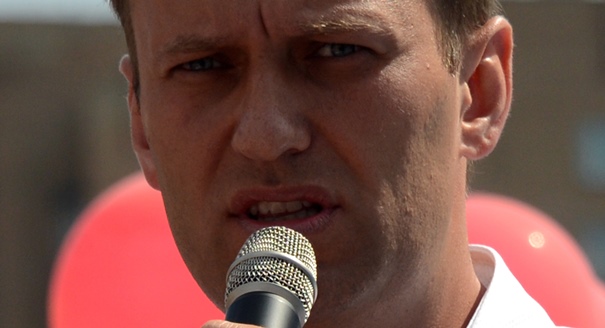
This year, the mayoral race in Moscow is more than just a return of politics—with anti-establishment candidate Alexey Navalny on the ballot, this campaign has triggered a repoliticization of the Russian society.
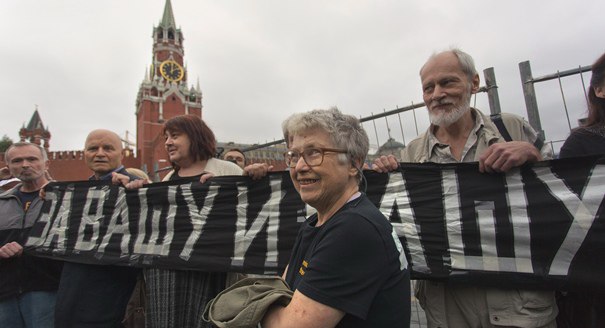
The current Russian regime may not explicitly present itself as a successor of the Soviet regime and its policies, but it firmly defends them against their detractors.
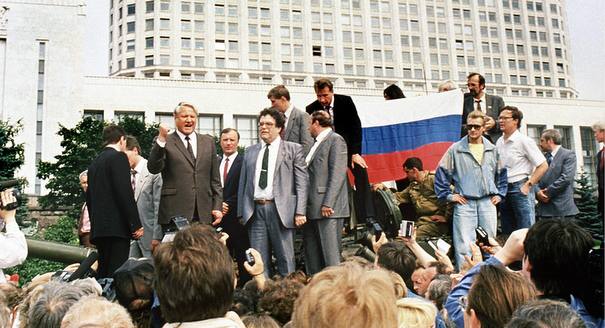
In the Russian history this peaceful popular drive was unique: for a brief period it looked like Russia would break away from its traditional paternalism and develop a sense of “we, the people.” This is not something the current regime would celebrate.
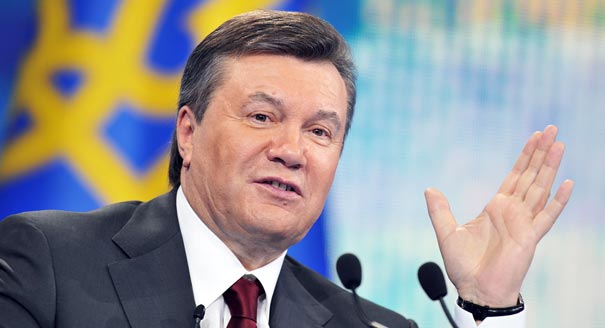
Viktor Yanukovych can be expected to do his best to play with both giants, while Russia will proceed with its combination of pressure, threats, and promises; and Europe will struggle between losing Ukraine to Russia and compromising on its principles.

The decision to host the Olympics in Sochi imposes an artificial deadline to the North Caucasus problem. But after the Games are over and there is no longer a “deadline” to meet, Russia’s government will inevitably pay less attention to this region.
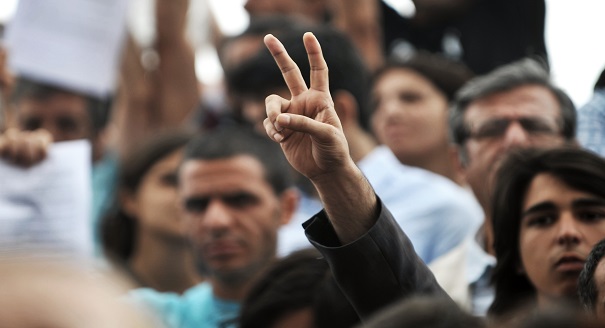
It is common these days to talk about a rise of middle class revolts against their governments’ lack of respect for the citizens or their paternalistic practices. The main question remains: what makes such outbursts of civic sentiments successful and how one defines success?

That the final communiqué was signed by all the G8 members can hardly delude anyone: the disagreements between Russia and the other Seven look deeper than ever.