Carnegie Moscow Center


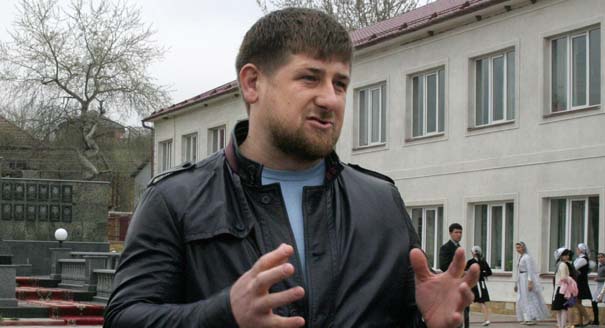
Questions remain whether Chechen President Ramzan Kadyrov ordered the recent murders of human rights activists in Chechnya, or whether the crimes were an attempt by his opponents to discredit his leadership.
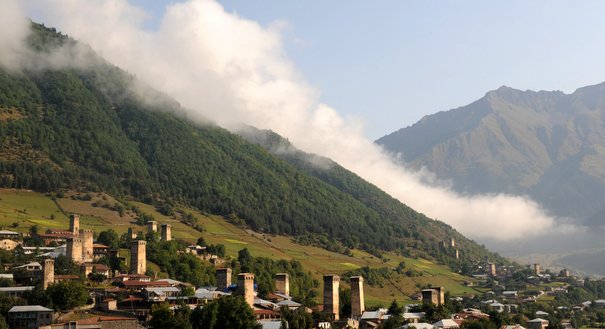
The recent spike in violence in the North Caucasus undermines the Kremlin's claim that its anti-terrorism policies in the region are succeeding.

Grave violence plagues the North Caucasus, which should be a key humanitarian concern for Europe. But the economic crisis will largely determine how much will be done to help the region.
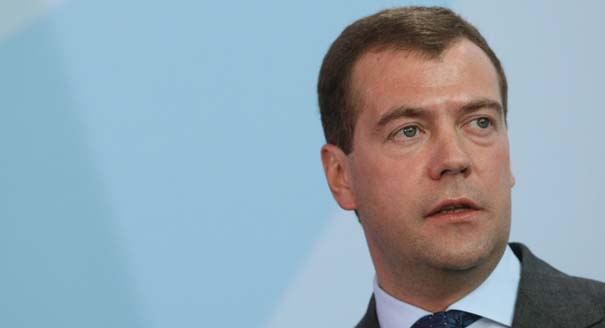
Dimitry Medvedev's decision to meet with political liberals suggests he understands that without democracy Russia will not have a successful and stable future.

The search for a way for all parties in the Russia-Georgia conflict to sit down at the negotiating table is gradually beginning. There is real promise that an EU forum can establish an acceptable format and most likely, Russia is ready to make some concessions. Nevertheless, excessive pressure on Moscow will only strengthen its internal conservative forces and thus exacerbate its hard line stance.

Despite Western media coverage that paints Russia as solely responsible for the conflict in Georgia, the question of who is to blame is far less clear.