Carnegie Moscow Center


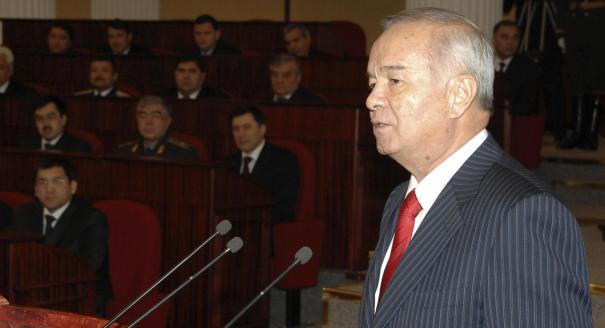
Uzbekistan, like other Central Asian states, shifts its foreign policy efforts between Moscow and Washington depending on circumstances. It seems that now Uzbekistan is pressing for an increased American military presence in the country.

The ruling class emerged victorious from the recent parliamentary elections in Kazakhstan. But the overconfidence of Kazakh leaders means that all economic, social, and political issues, including the question of power transition, remain unresolved. The leadership may soon face a political storm.

Tens of thousands of Russians took to the street in protest over voter fraud allegations in the country’s parliamentary elections. It remains to be seen what this public response and the election results will mean for the country’s future.
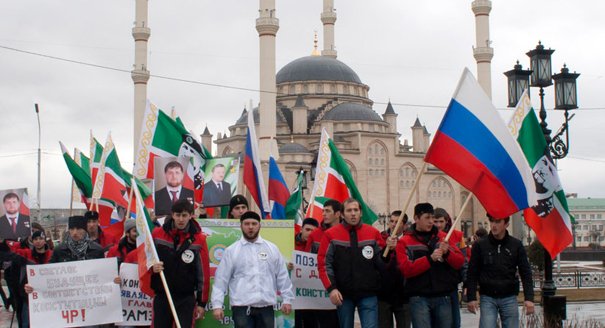
The North Caucasus remains economically and politically a part of Russia, but the internal situation there is increasingly regulated by the region’s own local traditions.
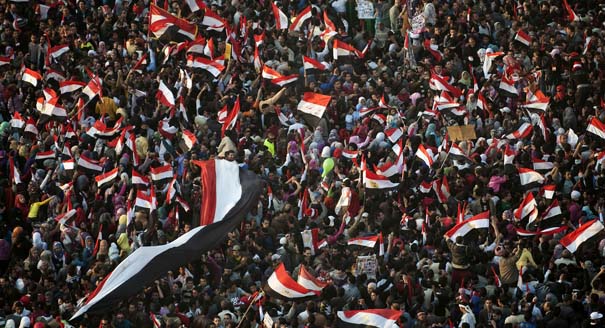
The events of the Arab Spring surprised both politicians and experts and while the region’s future is not yet clear, a number of risky scenarios could unfold.
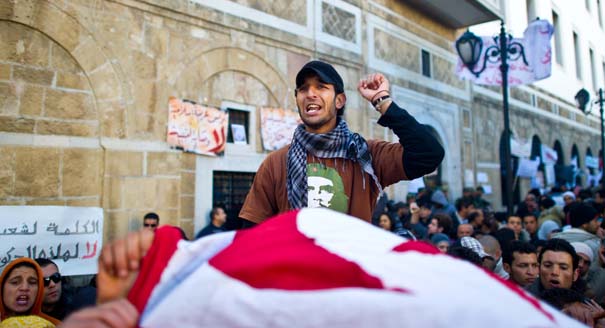
The major social and economic problems that sparked the Arab Spring have not been addressed, making it likely that there will be a second round of unrest that could bring about a surge in the power of Islamic radicals or the establishment of new authoritarian regimes.
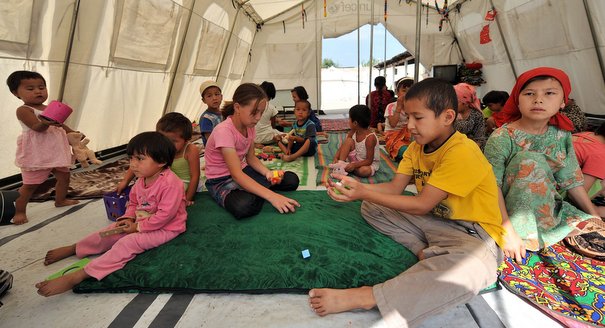
Russia and the Central Asian republics all have their own national interests. Moscow’s cooperation with Central Asia must be equitable and based on the Russia's national interests.

Osama bin Laden’s death will not immediately deal a fatal blow to Islamic extremism, but it could potentially help to improve the situation in Afghanistan.

The launch of U.S. and European military operations against Libya’s Muammar Gaddafi could have unexpected consequences and encourage some regimes to step up their efforts to develop a weapons arsenal in order to prevent the possibility of outside attack.
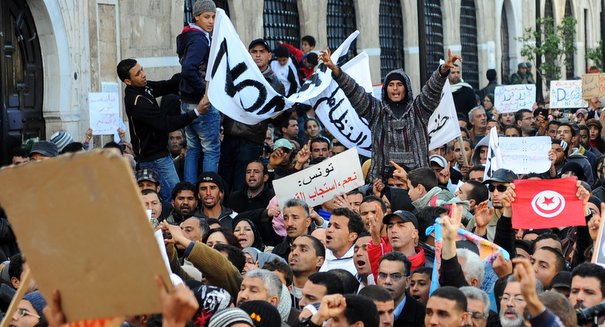
The unrest that has swept through Tunisia, Egypt, and Libya resulted in large part from the inability or unwillingness of the ruling regimes to make significant improvements in the lives of the general public. The departure of the heads of these regimes, however, does not necessarily signal an end to the revolutionary process.