Carnegie Moscow Center

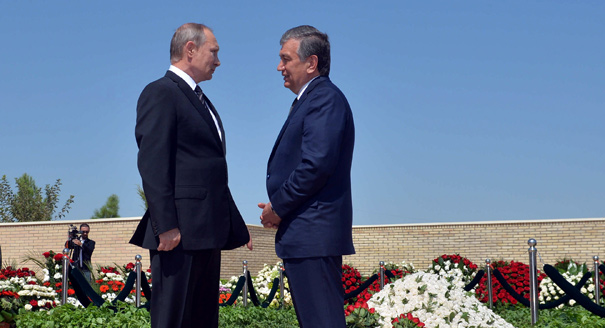
Although we shouldn’t expect anything drastic, Uzbekistan’s next president will likely change some of Islam Karimov’s policies, especially in the economic sphere. Because the country needs financial support and access to new technologies from the West, Uzbekistan may liberalize slightly, demonstrating greater respect for democracy and human rights.
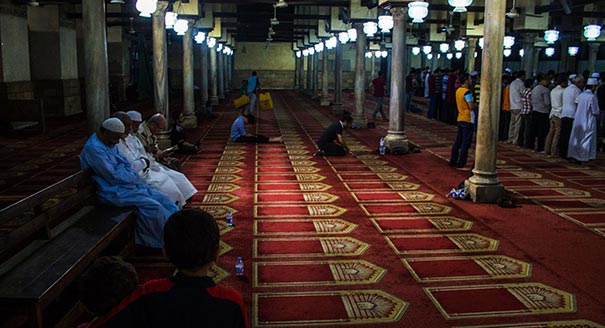
Events in the Middle East and Russia’s participation in the Syrian conflict have left the majority of Russian Muslims indifferent and have not inspired them to take any particular action, let alone protest. Even the hundreds of militants who have returned from fighting for the banned Islamic State terrorist organization in the Middle East are behaving passively.
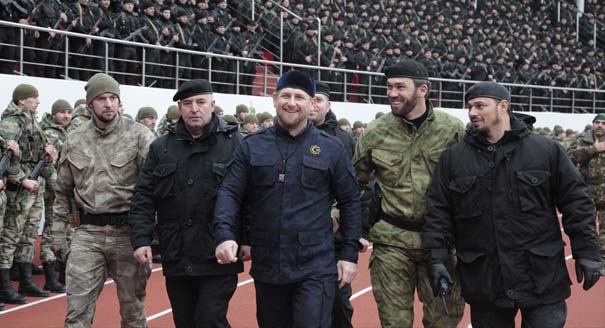
Putin has little choice but to ask Ramzan Kadyrov to remain as head of the Chechen Republic. But doing so will reveal how indispensable Kadyrov is to the Kremlin and betray Putin’s weaknesses in Chechnya.
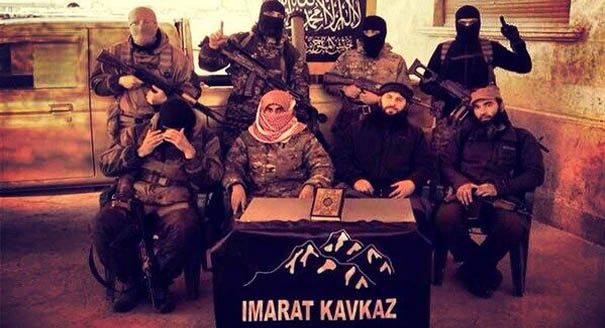
The North Caucasus Islamists’ wish to join ISIS makes some sense. By joining, they would cast themselves not just as regional players but worldwide jihadists. The relations between ISIS and the Caucasus Emirate, however, have been fraught with difficulties.
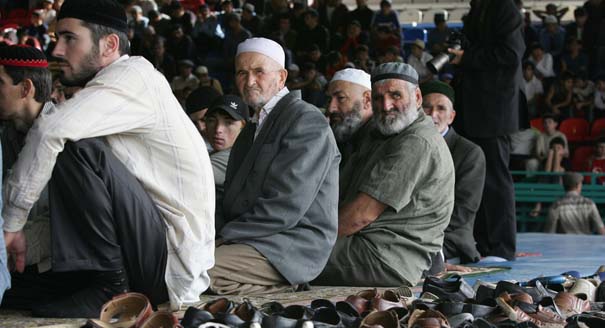
The Russian authorities have been reluctant to admit that an attack in southern Dagestan on the eve of New Year was the work of Islamic State. The organization is making a bid to play a role in the North Caucasus.
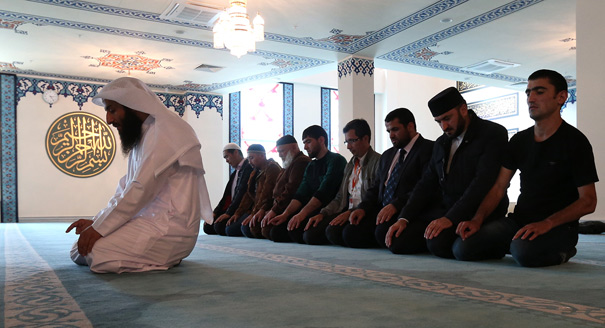
Russia’s official Muslim establishment blames the West for the rise of the self-proclaimed Islamic State and refuses to admit that radical Islam has a real social base, ignoring the radicalization of many ordinary Muslims in Russia and Central Asia.
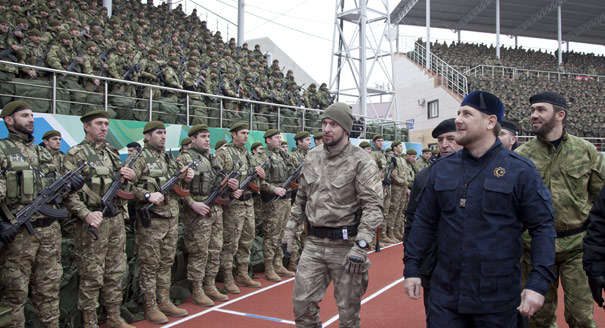
Despite his harsh rhetoric, Kadyrov now takes a pragmatic view of the Islamic State’s influence on the situation in Chechnya and is committing himself to “exorcise” would-be recruits or returnees from the Middle East rather than merely destroying them.
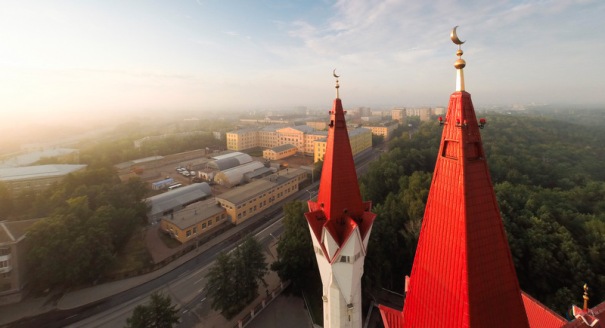
As Islam expands in the Ural Federal District, religious and political life there is evolving. Much of this expansion is due to the arrival of Muslim migrants from Central Asia and the Caucasus, and some migrants bring with them religious radicalism—a challenge that requires a more effective official response.
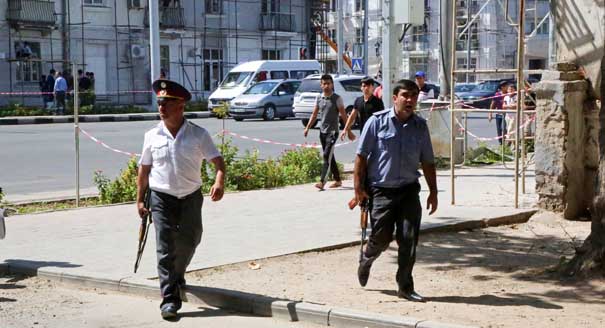
An army mutiny is the only latest of many new threats to Tajikistan's veteran president. Russia is the only country he can rely on to support him and it will take advantage of his predicament.

A life sentence handed down to Said Amirov, once the most powerful man in the largest republic in the North Caucasus, shows that almost no one in present-day Russia is untouchable