Carnegie Moscow Center


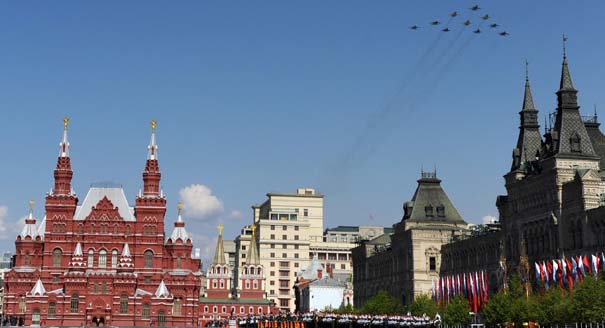
As a permanent member of the UN Security Council and a nuclear power, Russia has substantial leverage in the post-Soviet space and is the EU's most important neighbor. However, in the coming decades Russia will face serious internal and international challenges.
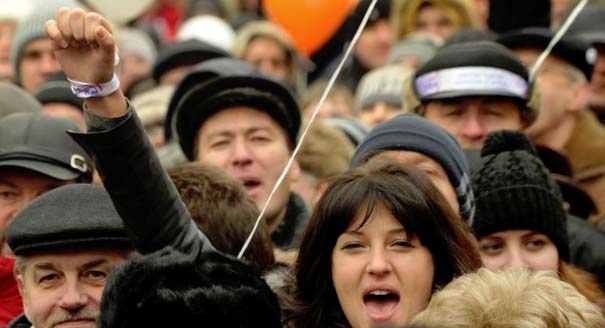
The latest anti-government protest in Moscow on February 4 is further evidence that Putin's legitimacy is slowly eroding.
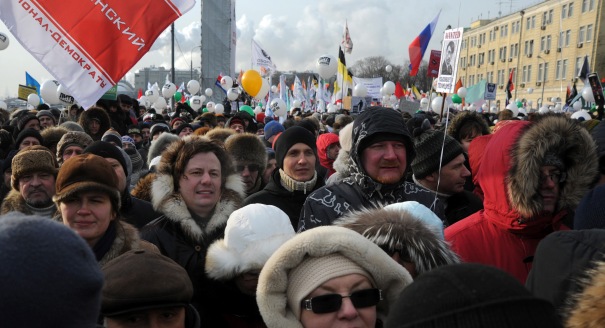
Recent protests have undermined the legitimacy of Russian authorities and significantly weakened Putin's hold on power. Even if the protests were to unexpectedly stop, the process of chipping away at Putin's regime has been set in motion.
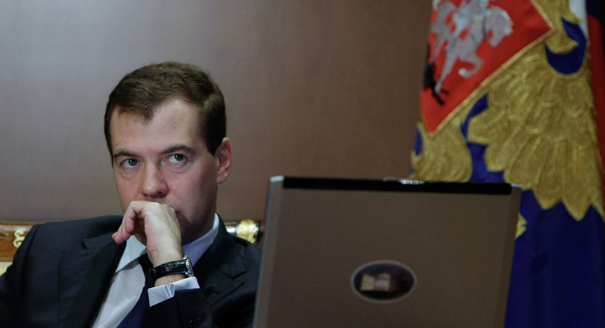
The Kremlin is trying to present President Dmitry Medvedev's new bill as a way of bringing back direct gubernatorial elections, but in fact governors will still remain beholden to the president, not the people.

After more than a decade in power without political competition, Vladimir Putin has lost the ability to adapt to rapidly changing conditions and has become less effective and less popular.
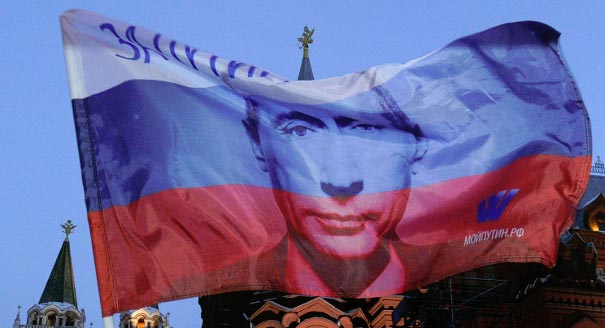
During his annual televised call-in show, Vladimir Putin proposed to reinstate the direct election of governors, which is perhaps the only serious political concession that he is offering.

Tens of thousands of Russians took to the street in protest over voter fraud allegations in the country’s parliamentary elections. It remains to be seen what this public response and the election results will mean for the country’s future.
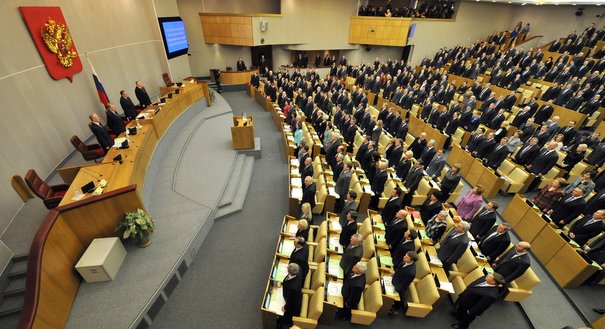
During the State Duma elections, increasing numbers of people vented their frustration with the ruling regime through protest votes. It is clear that the Russian political system will become more pluralistic.
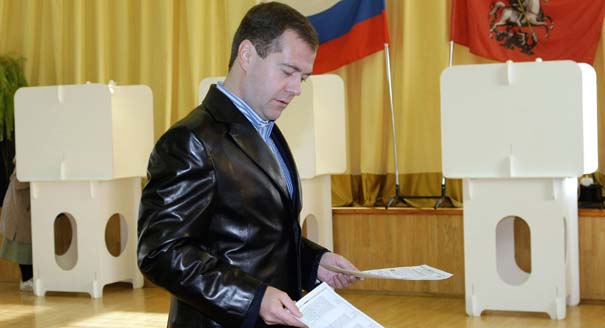
Dmitry Medvedev’s job title might change after the upcoming presidential elections, but his role will stay basically the same: he is essentially a public relations director for projects undertaken by Vladimir Putin.
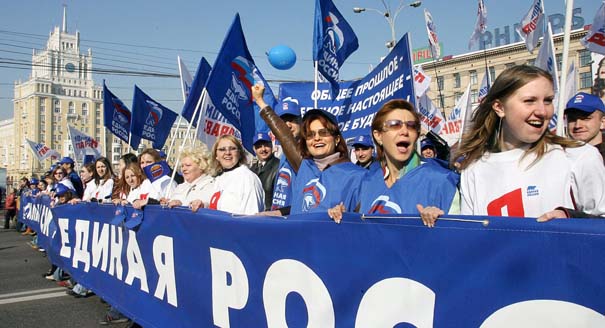
In response to United Russia’s declining popularity, the Kremlin is trying to dump all of the party’s political dead weight and pushing more support to its remaining assets, rather than forming a coalition with its junior political partners.