Carnegie Moscow Center


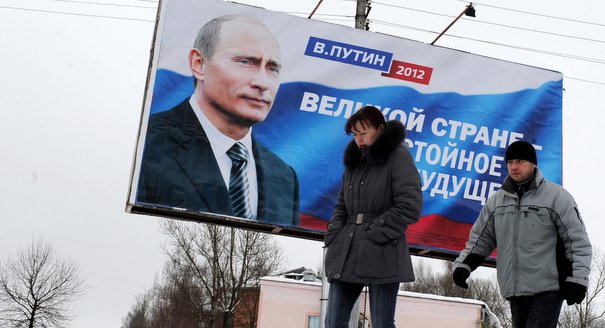
Internal and external pressures seem to have triggered a radical readjustment in the Kremlin’s pre-election planning, with potentially long-lasting consequences.
Russian authorities are preparing for a possible new economic crisis and social unrest by expanding the powers of the state security instead of enacting political reforms.
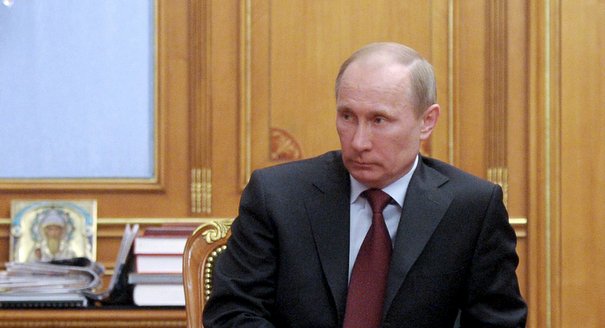
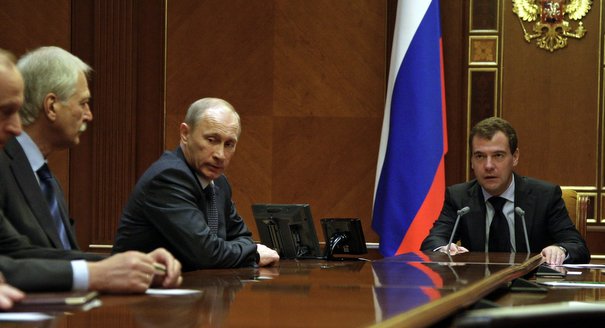
When Prime Minister Vladimir Putin and President Dmitry Medvedev switch places in March, Putin will have the opportunity to consolidate his leadership as president, while the prime minister will be forced to take responsibility for unpopular decisions by the next government.
In Russia, an increasing number of personnel changes are taking place in anticipation of the upcoming presidential election in March.
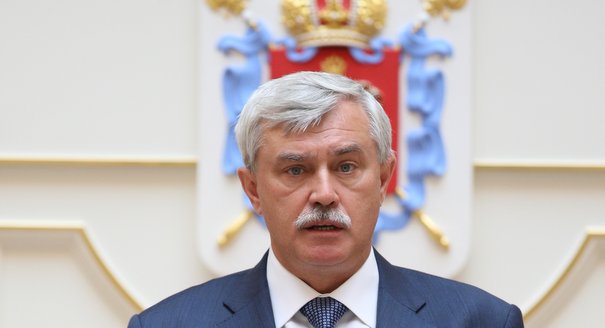
The political logic behind the decision to replace St. Petersburg Governor Valentina Matviyenko with Georgy Poltavchenko, the non-charismatic presidential envoy to the Central Federal District, remains unclear.
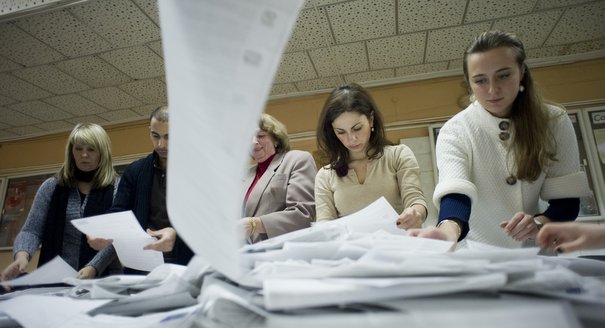
The United Russia primaries held across Russia show modest signs that the country’s political institutes are becoming more liberal and modern.
There are three signals that suggest authorities are preparing for a massive falsification of the Duma elections in December.
The regional primaries for the State Duma elections in December demonstrate a growing intra-party democracy and political competition that will likely aid United Russia in holding onto its Duma majority, although it will not solve the problem of United Russia’s declining legitimacy.
In order for the Kremlin to move Valentina Matviyenko, the relatively unpopular governor of St. Petersburg, to a position as speaker of the Federation Council, it must first help her get elected as a municipal deputy.
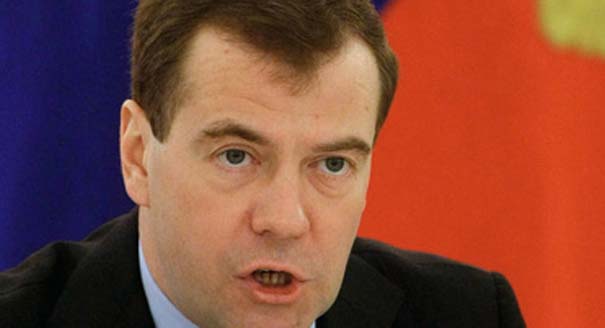
While the proposals put forward by President Dmitry Medvedev in a recent speech were new and original, the speech also reinforced his image as a president who makes bold statements but takes little action.