Carnegie Moscow Center


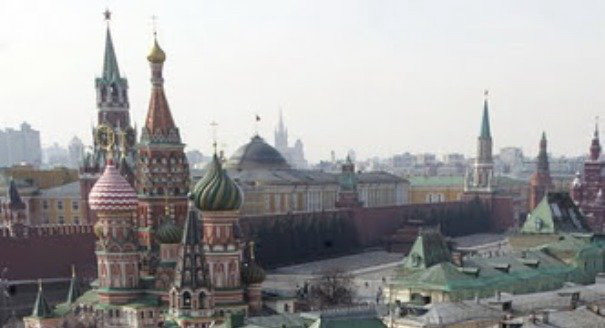
A new bill introduced to change the way the Federation Council is formed ostensibly allows voters to express their will but actually shields those in power from accountability to the electorate.

For many, the draft statute for the Ministry for the Development of the Russian Far East signals the possible reform of the entire system of state administration, but all signs point to little real change.
The Kremlin is unlikely to be able to manage gubernatorial elections the way it might wish, as it becomes increasingly difficult for Moscow to manage the democratic process at the regional level.

To forge an effective partnership with Moscow, the EU must first understand Russia’s political, economic, and security designs, and how best to deal with another round of Putin.
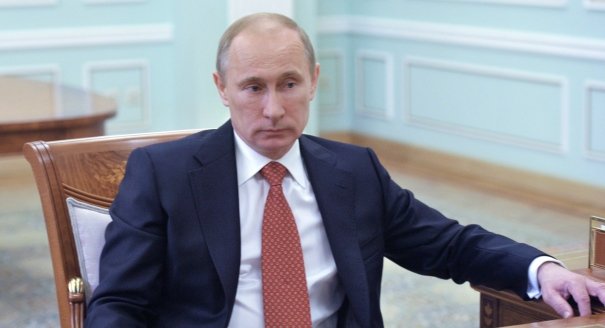
The Russian political system is likely to undergo some changes this year, perhaps even serious ones—not because Putin wants them, but because elements of Putin's inner circle are convinced that the government must take some of the protesters' demands seriously.
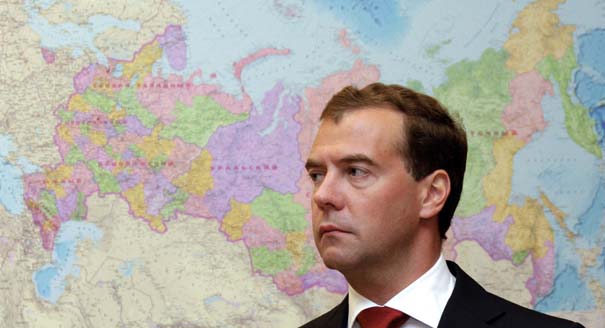
Though political reforms in Russia are likely to be weakened even further and gubernatorial elections will be restricted by additional limits, the popular push for democracy continues to grow.
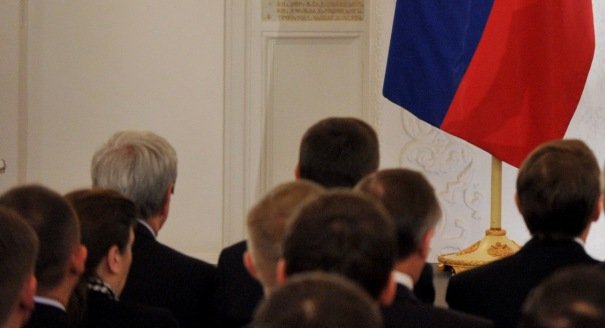
In spite of the fact that the pace of political reform in Russian is slowing, the political elites in many Russian regions have already started preparations for the reinstatement of direct elections of governors and mayors.
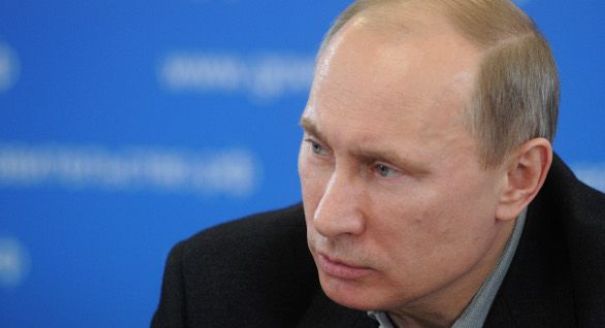
In the aftermath of the presidential elections, Putin’s uncertain political position and weakened political strength may prove both a domestic and international limitation.
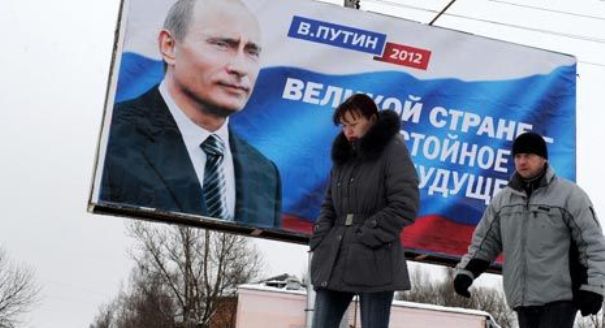
There is no reason to believe that the protests and the problems associated with them will end now that the Duma and presidential elections are over.
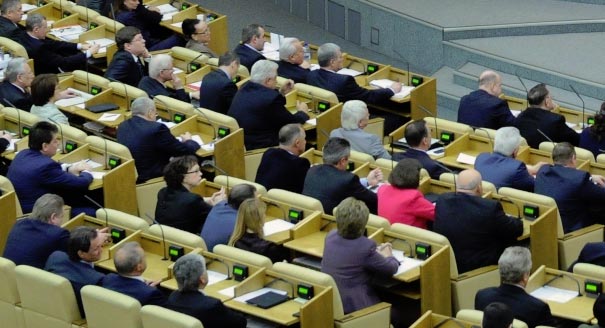
The recent bill on the State Duma elections seems like a concession to the opposition, but in reality it would actually be a serious obstacle to the development of a full-fledged multiparty system and the strengthening of representative government.