Carnegie Moscow Center


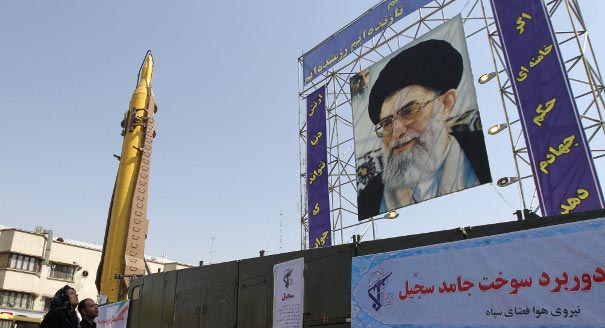
The segregation of technical and political issues in the dialogue with Iran could create a positive atmosphere for its acceleration. The main goal of the dialogue ought to be full transparency of Iran’s nuclear program. Suggesting more ambitious goals will lead this dialogue to nowhere and finally allow Iran to become a virtual nuclear weapon state.
Indian newspapers did not pay much attention to the G8 Summit. Yet some reflections on two of the issues raised at the summit can be found in the Indian mass media. The first issue was Syria which clouded the G8 Summit. The second issue was related to tax evasion and lack of business transparency.

June 12, when the citizens of the Russian Federation celebrate Russia Day, is a good occasion to recall the lessons of history. One of such lessons leads us to Allahabad, a city in the Indian state of Uttar Pradesh.
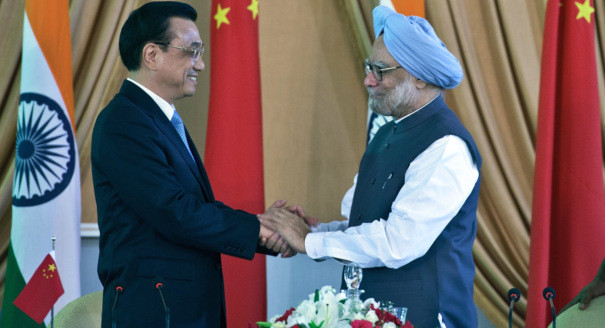
In the case of the relations between China and India the success of their start must be proved by further developments. When mutual concerns and suspicions will emerge less frequently in unofficial discussions in Beijing and New Delhi, then it would be easier to believe the official statements of the leaders of China and India.
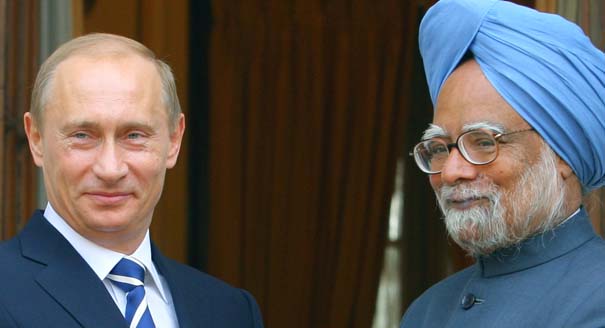
The Russian government should transition to a comprehensive and overarching strategy in South Asia.
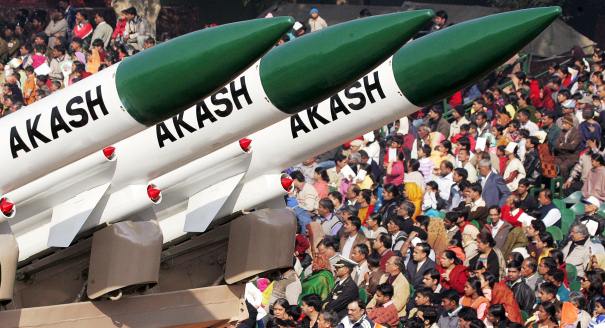
India continues to develop a missile defense system, despite a lack of expert consensus within the country on the value of such a system and despite the fact that uncertainty regarding Indian missile defense adversely affects regional security.
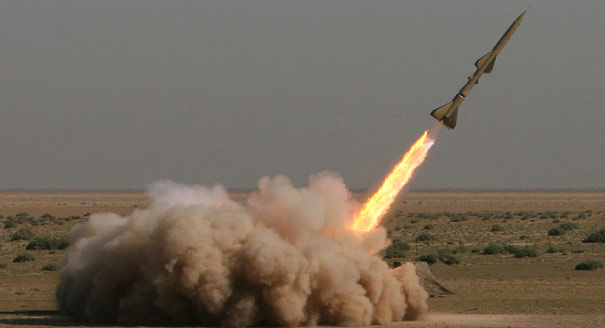
While theoretically terrorists could use missiles stolen from armed forces to target space satellites, the risk of such space terrorism remains small because terrorists don’t have enough resources to carry out such attacks.
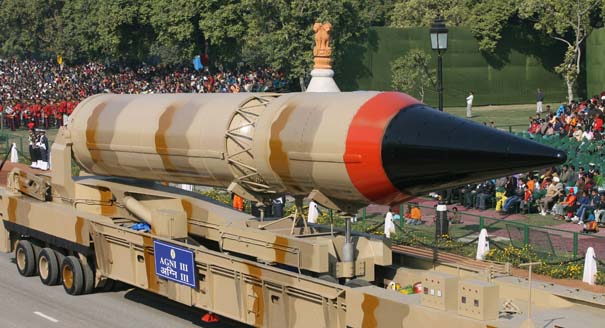
It is unlikely that nuclear weapons proliferation in South Asia will lead to a deliberate outbreak of large-scale war, but a catastrophic conflict could occur even though neither the Indians nor the Pakistanis intend to start a nuclear war.
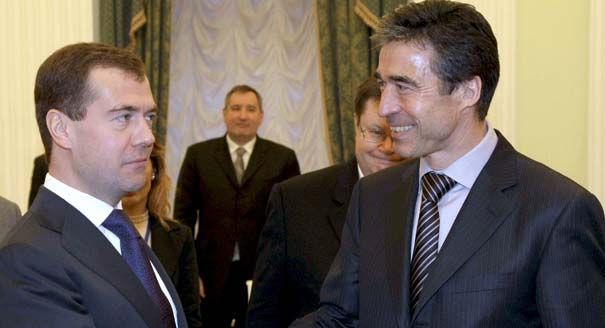
Russia, the United States, and NATO should recognize the diverse long-term benefits of dialogue over cooperative missile defense.
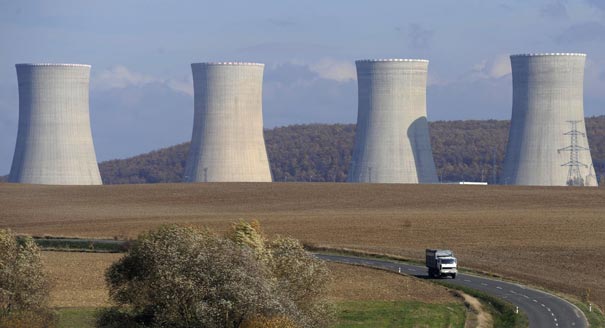
U.S.-Russia cooperation on civilian nuclear energy would enhance mutual security, promote economic growth, cement the gains of the reset, and provide the relationship with long-term stability.