Carnegie Moscow Center


A comparison of China and Russia can reveal not only the dramas of undemocratic societies and the limitations of modernization efforts by top-down governments, but also the challenges that the West faces.
It is understandable that Western leaders prefer to strike tactical deals with the Kremlin and hope Russia does not go down on their watch. But there is another approach: stop helping the Kremlin.
Russia has finally reached the point when its very form of existence through the personalized power system and its attempts to justify itself by ideological and territorial expansion—the Russian Matrix—is under question.
If implemented properly, the Magnitsky Act could mean the restoration of a normative dimension to Western policy on Russia.

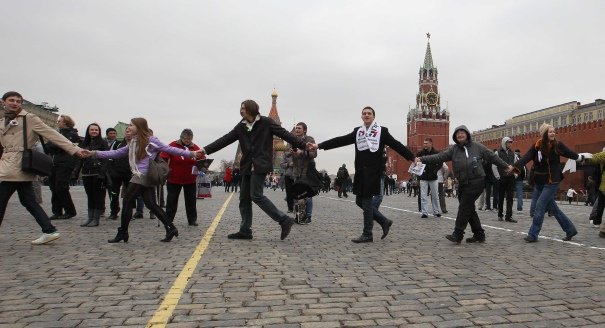
The Russian political regime is in a state of crisis, as is its economic model and the social life of the country. However, there are also there are several signs of Russian society’s awakening.
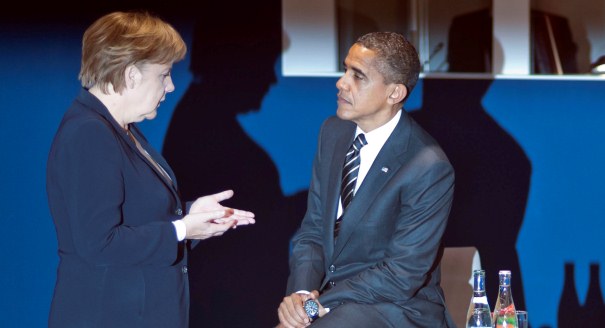
The new, harsher attitudes in the West toward Putin’s regime open a window of opportunity for both the West and Russia.
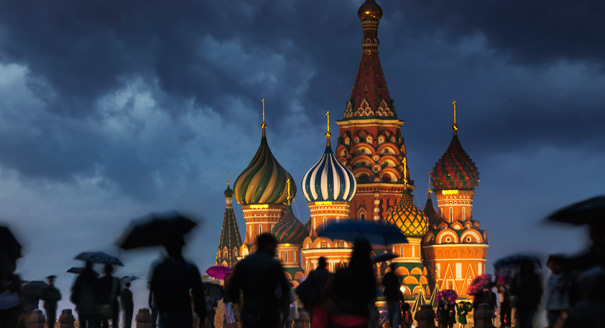
Russian society is waking up and pushing back against Putin’s brand of authoritarianism, with the potential to bring about a transformation of the system into one based on the rule of law.
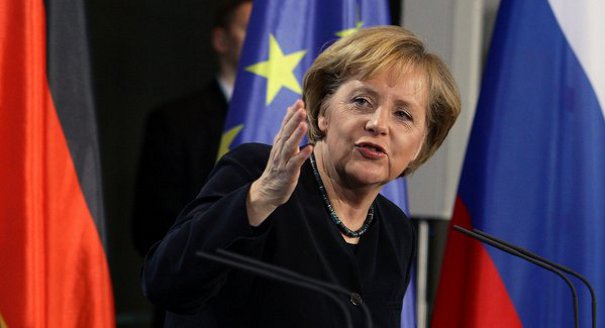
Until recently, German-Russian relations were viewed as a model bilateral relationship. However, public opinion in Germany has grown increasingly critical of Vladimir Putin’s regime, and the German leadership can’t ignore this.
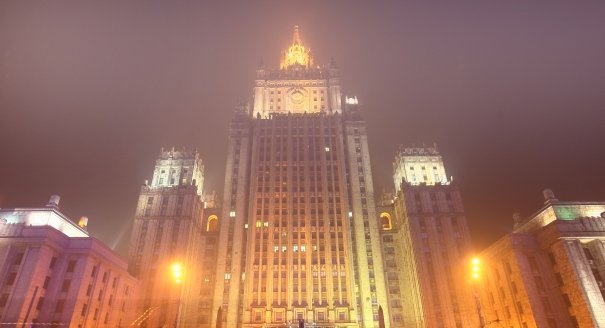
Both the Kremlin and the Russian opposition hope to use the United States and its policies to serve their own domestic agendas.
Sooner or later, Russia will have to decide whether to de-hermetize or to reproduce a system of personalized power that can only push the nation toward disaster.