Carnegie Moscow Center



Russian liberals are increasingly critical of the West as Western countries pursue a pragmatic foreign policy that often helps the Kremlin legitimize its rule.
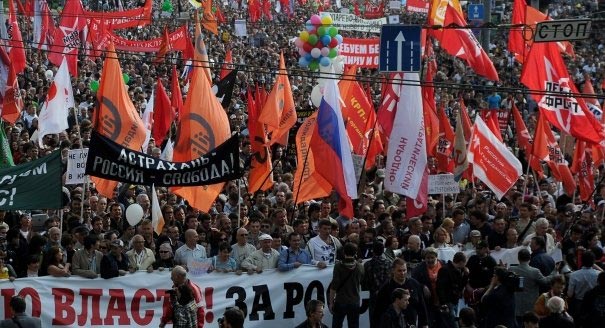
Putin's return to the Kremlin may well act as an accelerator for revolution, because it means that the logic of personalized power will continue to stand in the way of regime change.
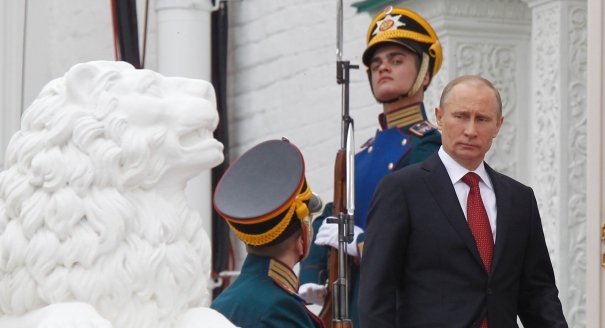
Putin has returned to the Kremlin, but he faces a significantly different Russia, because the country's situation has changed drastically. The previous Putin’s consensus between those in power and society has fallen apart.
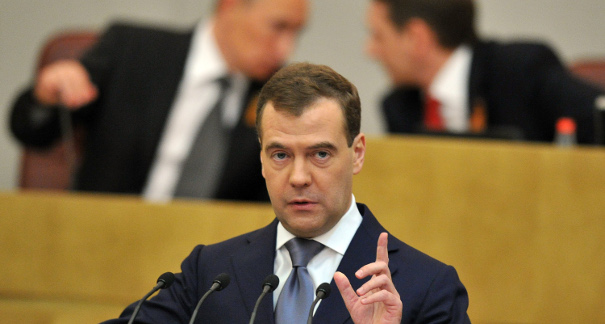
Putin's return to power reveals Medvedev's supposedly reformist presidency for the farce it really was. Medvedev's legacy in one sentence: He enabled Putin's personalized rule to continue unabated.

Western governments have the opportunity to demonstrate to the Russian elite that its ability to prosper in the West depends on its behavior inside Russia itself.
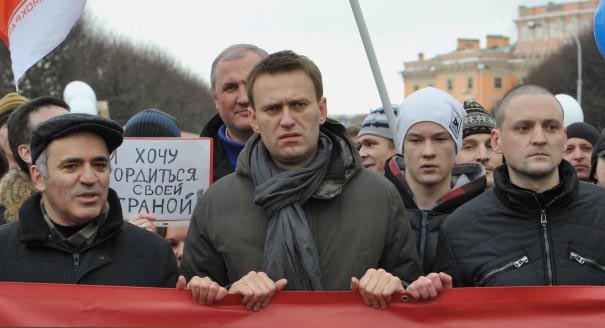
It is not enough to urge Vladimir Putin to leave office. The Russian opposition must also seek the elimination of the autocratic model of power that Putin represents, and push for real constitutional political reform.
Without major political and social changes, Russia risks complete disintegration. Transforming Russia requires eliminating personalized power, the merger of state and business, and the country's imperial ambitions.
Putin’s regime cannot maintain power within a liberal political atmosphere. In order to maintain control, the regime is likely to tighten its grip on power and reducing freedoms.
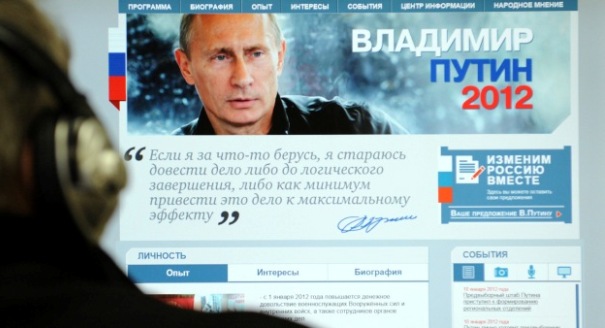
Vladimir Putin and the Kremlin seem to have staked their futures on Putin’s victory in the first round of the presidential elections and are working to remove any possible opponents who might be able to appeal to Putin’s electoral base.

Vladimir Putin’s article in the Izvestia daily demonstrates both his anxiety over the recent protests and his inability to recognize how significantly Russian society is changing.