Carnegie Moscow Center

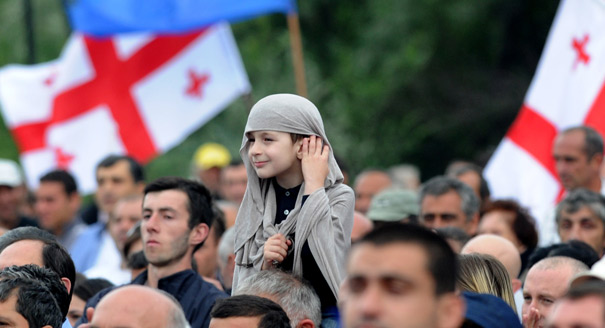
Through the recent parliamentary elections and pending peaceful transfer of power, Georgia has made several important strides toward establishing democracy and rule of law.
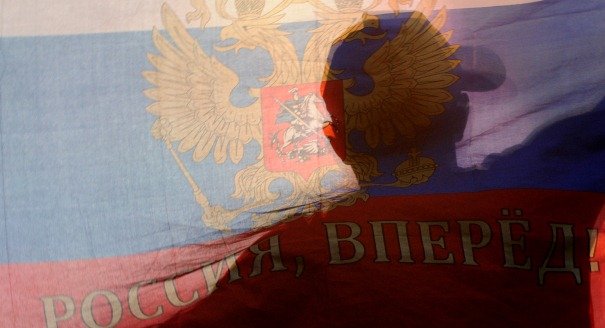
As the traditional Russian system predicated on personalized power heads toward its end, the United States can either continue to support the current system or it can recognize the transience of this system and thus help Russian society cope with the changes to come.
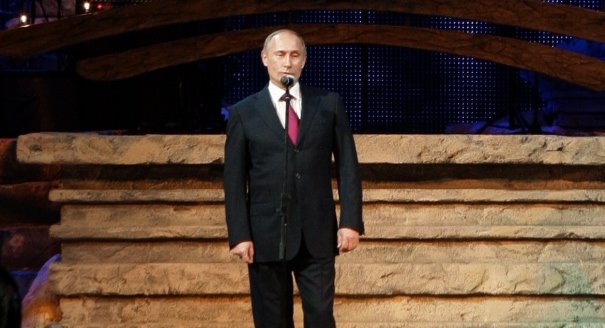
The Kremlin assesses the U.S. presidential candidates by one criterion: which will help it pursue its own domestic agenda. Moscow could be happy with both a second Obama term and a first Romney one.
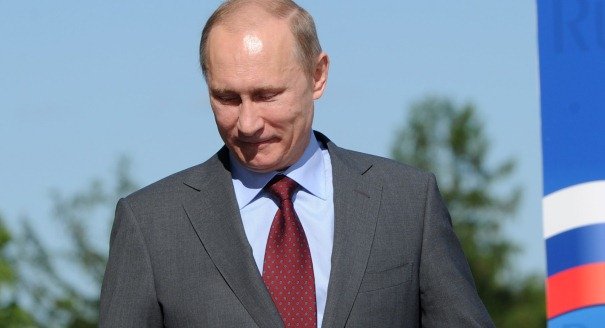
Putin's regime has transformed Russian authoritarianism into a brand of personalized power that has the potential to shift toward a dictatorship.
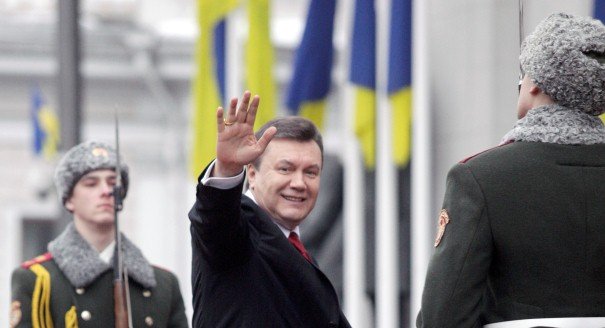
Ukraine is the most important test of the Kremlin’s neo-imperialistic longings and also a test of the West’s interest in expanding its normative principles eastward—however, Ukraine itself should demonstrate a desire for deeper integration based on a democratic path.
Even as the Kremlin moves from soft authoritarianism to a much harsher form, a new Russia is emerging, one presented by civil society and its drive for dignity and freedom.
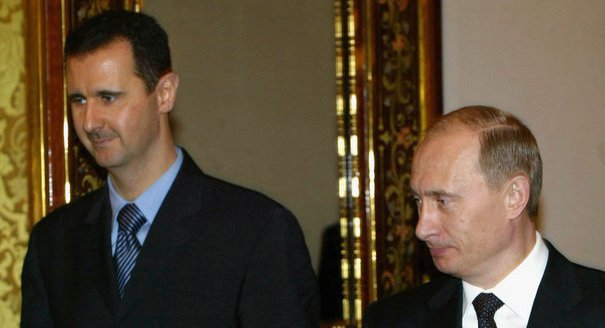
Part of Russia's support for Bashar al-Assad’s regime in Syria stems from Putin's desire to use Russian foreign policy as an instrument for preserving his own power and trying to block the United States.
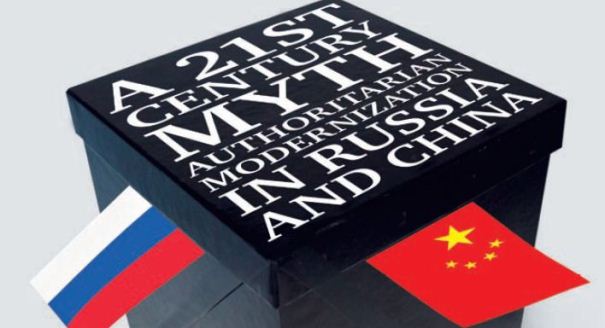
The idea of authoritarian modernization, or state capitalism, has become fashionable in the wake of the global financial crisis, but the examples of China and Russia demonstrate that it is ultimately a self-serving illusion.
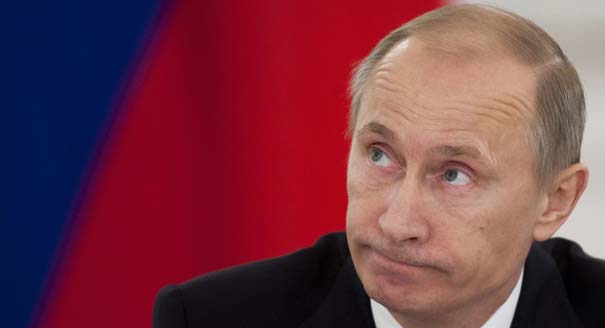
By censoring the media, discrediting moderate opposition, and provoking popular discontent, Putin is only widening the fissures threatening the whole Russian political system.
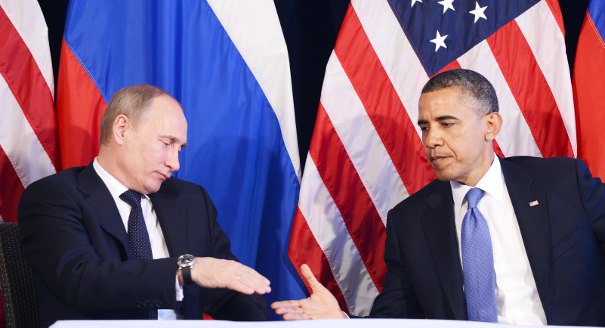
The recent meeting between Putin and Obama has resulted in an increase in Putin’s self-confidence, his attempt to pressure the United States, and Obama’s aspiration not to aggravate relations with the Kremlin.