Carnegie Moscow Center


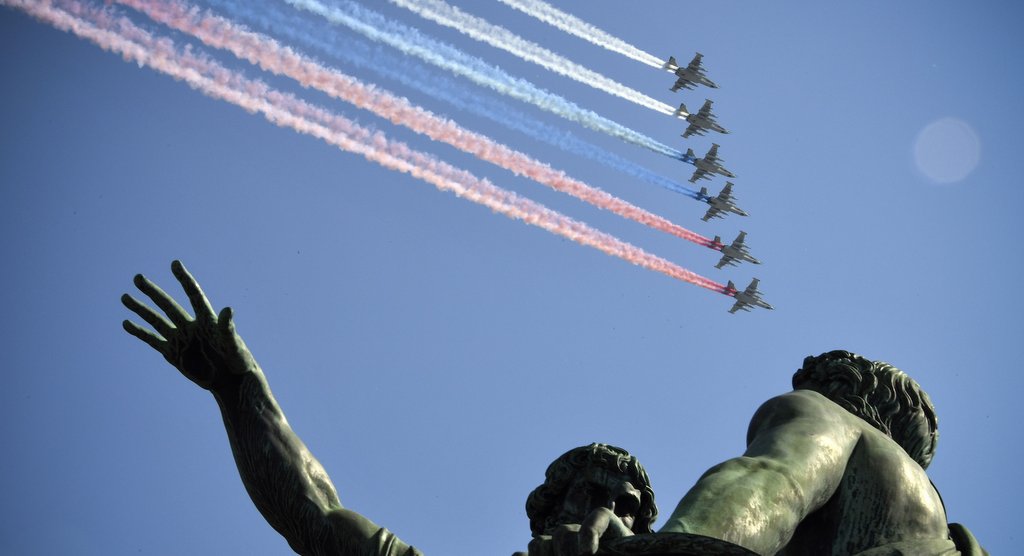
Russia is reputed to be a country whose past constantly changes to suit the purposes and vision of its ruling elite. Yet few would dispute that Russian history is one of extremes.
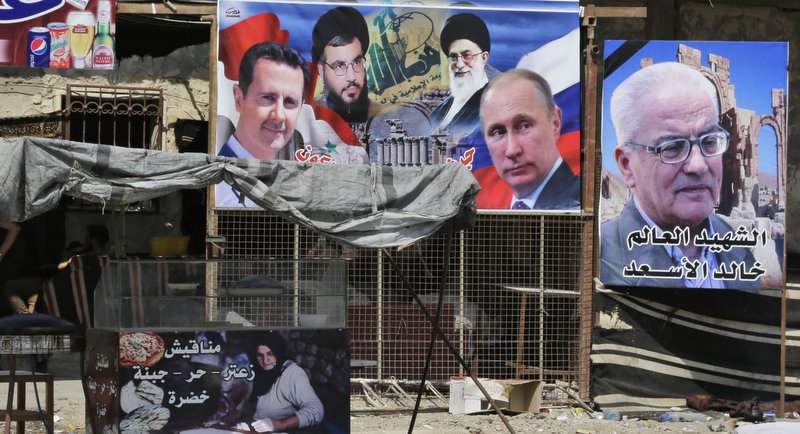
The eyes of the world are on the Middle East. Today, more than ever, this deeply-troubled region is the focus of power games between major global players vying for international influence. Absent from this scene for the past quarter century, Russia is now back with gusto. Yet its motivations, decision-making processes and strategic objectives remain hard to pin down.
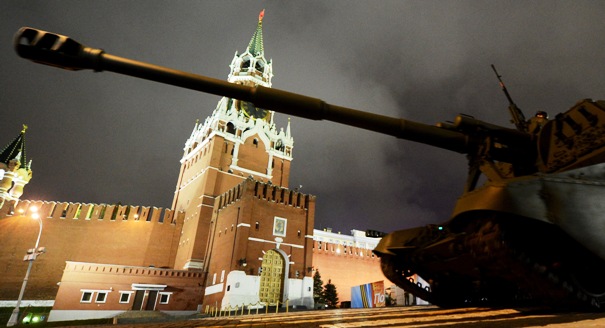
The Cold War analogy is misleading. Relations between the West and Russia are certainly bad and dangerous now but they are bad and dangerous in new ways.

Moscow needs to drop the notion of creating an exclusive power center in the post-Soviet space. Like other former European empires, Russia has no choice but to reinvent itself as a global player and as part of a wider community.
Enormous societal and political shifts 20 years ago opened prospects for a new, united Europe. Despite Russia’s role in this peaceful departure from totalitarianism, the country’s course in the subsequent two decades was not so straightforward. While the demolition of the Berlin Wall is no guarantee of success, democratic transformations are a necessary precondition.

The rise of major non-Western powers makes the avoidance of traditional geopolitical rivalries a must if one wants a peaceful world order. This is particularly relevant to Euro-Atlantic zone, which is still divided on security issues.

While an analysis of the military aspects of the 2008 Russian-Georgian conflict is important, it is also necessary to understand the timeline of political events, in Russia and Georgia, that led to the war.

By pursuing its own distinct foreign policy, Russia is isolating itself from the rest of the world. A continuation of these policies will leave Russia with only weak, opportunistic ties to the global community.

The European Union has little direct governmental influence on Russia, but its indirect societal influence is significant. Ultimately, however, while the EU can help efforts to modernize Russia, there is a need for real reform from inside the country itself.
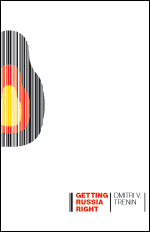
This book sheds new light on our understanding of contemporary Russia, providing Western audiences with an insider’s explanation of how the country has arrived at its current position and how the United States and Europe can deal with it more productively.