Carnegie Moscow Center

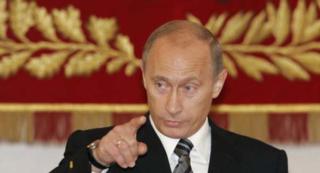
Each of the three previous four-year presidential terms in Russia—two of Vladimir Putin and one Dmitry Medvedev’s—has been marked by a different policy toward the West, and the new Putin’s six-year period opening in 2012 is likely to follow that pattern.
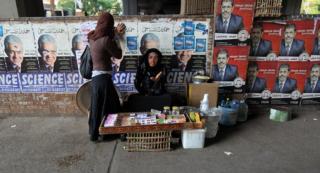
The result of the first round of Egypt’s presidential election seems poised to be the prelude to a direct confrontation between the old regime and the Muslim Brotherhood.
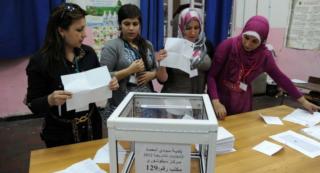
The Islamists’ defeat in Algeria’s recent parliamentary elections is a product of the pragmatism of the ruling Algerian elite and shows that the regime is sensitive to society’s demands. The results are likely an exception to the trend of rising Islamist influence in the Arab world.
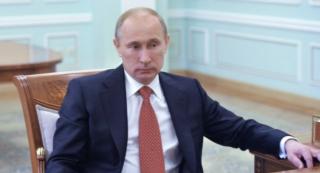
The Russian political system is likely to undergo some changes this year, perhaps even serious ones—not because Putin wants them, but because elements of Putin's inner circle are convinced that the government must take some of the protesters' demands seriously.
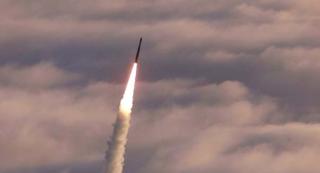
Europe, Russia, and the United States can take steps to build trust and find a way to work together cooperatively on missile defense.
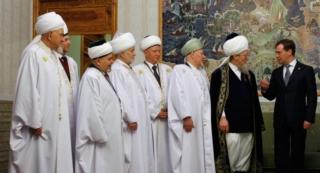
Russia's Muslim community is divided, with much of its clergy fighting over leadership. This divide suits the Kremlin, which has no interest in a unified or strong Muslim minority.
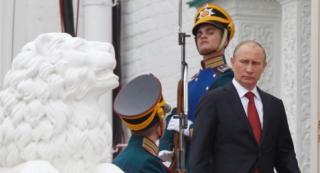
Putin has returned to the Kremlin, but he faces a significantly different Russia, because the country's situation has changed drastically. The previous Putin’s consensus between those in power and society has fallen apart.
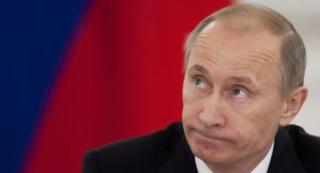
Putin’s surprising decision to skip the G8 summit means that he is putting the stability of his power structure above his diplomatic engagements abroad.
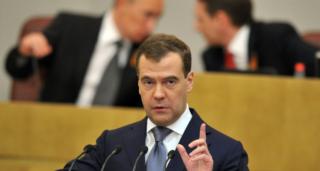
Putin's return to power reveals Medvedev's supposedly reformist presidency for the farce it really was. Medvedev's legacy in one sentence: He enabled Putin's personalized rule to continue unabated.
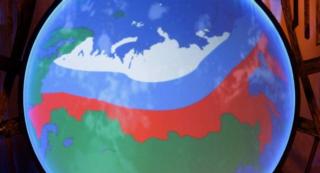
The Russian empire is over, but the belief that Russia is finished as a serious global player might be premature. Today, Russia’s goals include modernizing, creating a nation-state, and finding the country’s new role in the world.
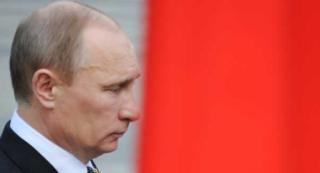
Putin remains the most powerful man in Russia, but the rallies, while failing to yield immediate political change, signal that serious societal shifts are underway.
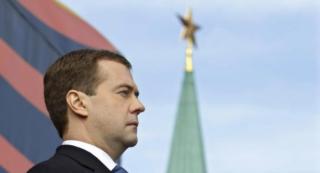
Dmitry Medvedev’s four years of presidency were a missed opportunity in terms of modernizing the country. His most important achievements were in foreign policy, not in domestic policy.
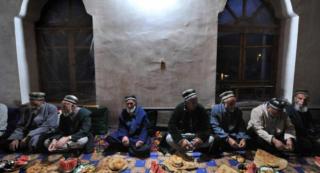
Tajikistan is among the most problematic countries in Central Asia. The country faces a number of challenges, including an economic crisis, regionalism, domestic political confrontation, and radical Islam.
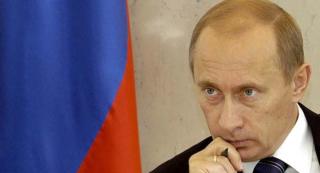
The Institute for World Economy and International Relations has released a forecasting project which challenges the Russian leadership to recognize and adapt to measurable global trends, even when those run counter to the Kremlin line.
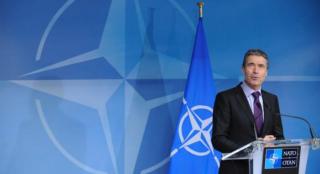
A slimmed down NATO could do a better job of harmonizing transatlantic positions in crisis situations, be the hub of multinational, high-end military operations, and develop expertise and capabilities to deal with new threats such as cyber attacks.
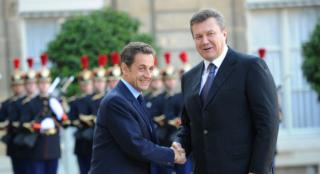
As most of Europe waits with bated breath for the outcome of the French presidential election, Ukrainians are entirely ignoring it.
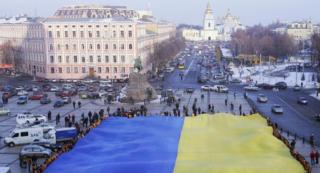
Despite a highly educated and skilled workforce and natural resources, Ukraine continues to struggle with sustained economic growth.
The latest apparent thaw on all sides of the protracted Transnistria conflict is a hopeful sign, but the resolution process will continue to be gradual and deliberate.
While developing its Asian strategy, Russia will certainly give a lot of attention to cooperation with China, but it will not ignore its interests and opportunities in other countries in the region.
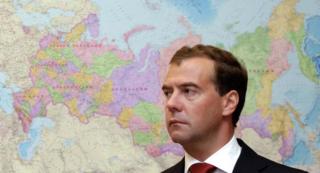
Though political reforms in Russia are likely to be weakened even further and gubernatorial elections will be restricted by additional limits, the popular push for democracy continues to grow.