Carnegie Moscow Center


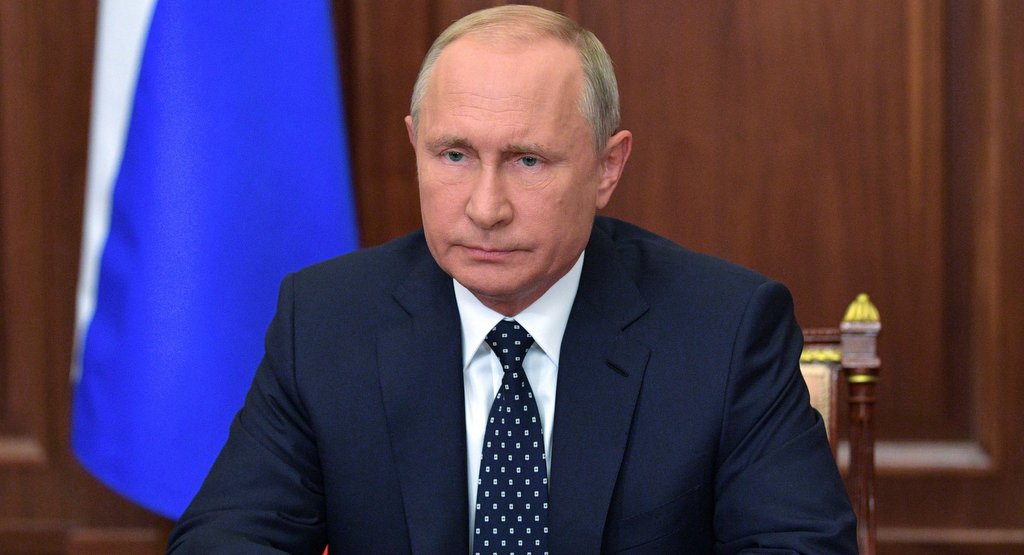
Putin’s formula for pension reform might allow him to stem his political losses. Even if his ratings don’t grow, they might at least stop falling. But the cost of saving Colonel Putin will turn out to be exorbitantly high for the budget and the economy.
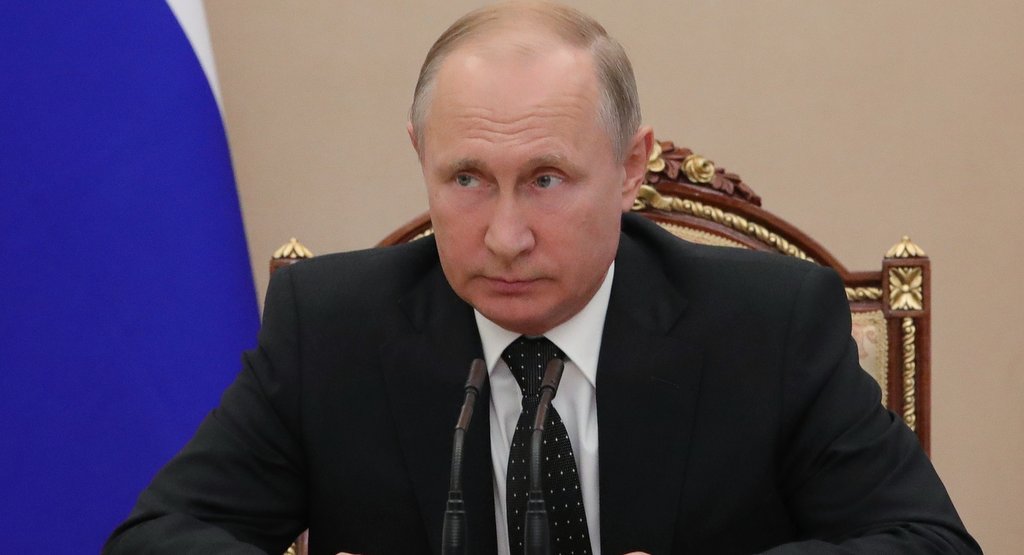
Putin’s successful foreign policy agenda is starting to lose its power to command public support in the face of growing domestic frustrations.
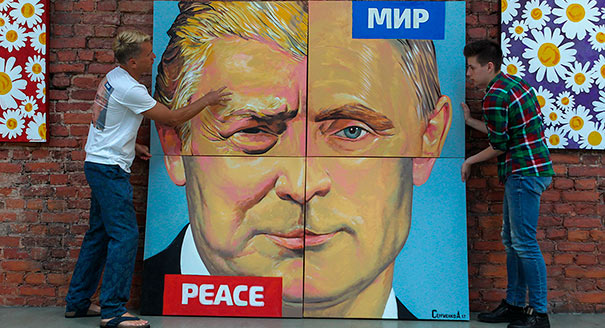
Opinion polls and focus groups show that, despite intense anti-American feelings in Russia, Russians do pin hopes on the Putin-Trump summit. They want to see a de-escalation in confrontation and a re-focus away from foreign affairs by Putin, and they want Washington to show respect for Russia.
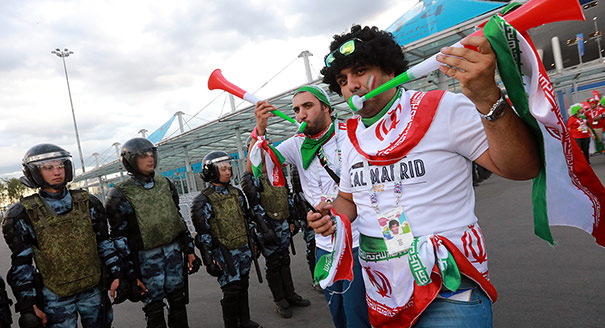
Russia has opened its doors to thousands of foreigners for the World Cup, but the realities of Putin’s Russia are bigger than the feel-good spirit provided by the football.
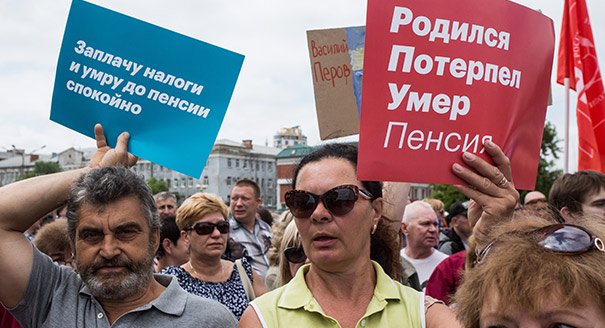
Opposition forces are competing for the spotlight in Russia.
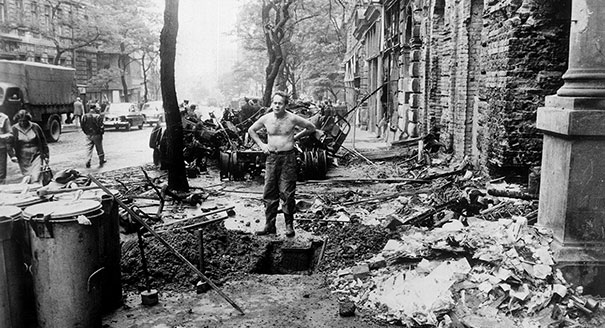
The Prague Spring was the nobler and more enduring face of 1968. The Western protests were mostly about middle-class counterculture and were subsumed by a culture of consumerism, while the Eastern European tradition of anti-totalitarian dissent has endured.
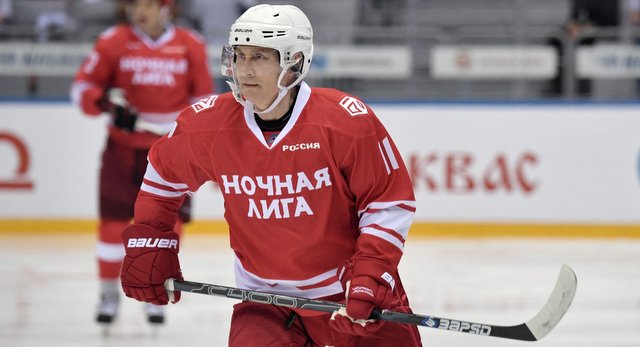
The tradition of sport acting as a kind of hybrid war has seamlessly continued in Russia into the post-Soviet period. It is victory at any cost, because victory has political significance. It’s soft power, the face of the country, the image of an invincible nation ruled by a wise leader.
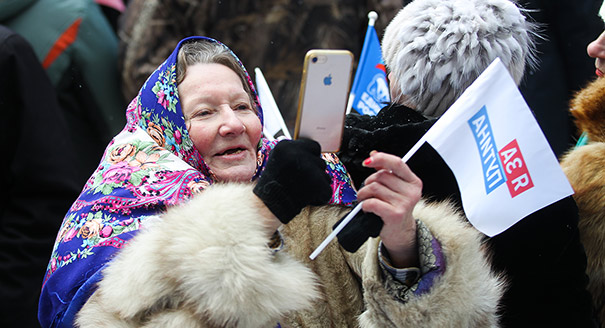
There are several misperceptions about Russia that make relations with Europe worse than they need to be. Acknowledging these illusions is the first step to Russia and Europe being able to understand each other.
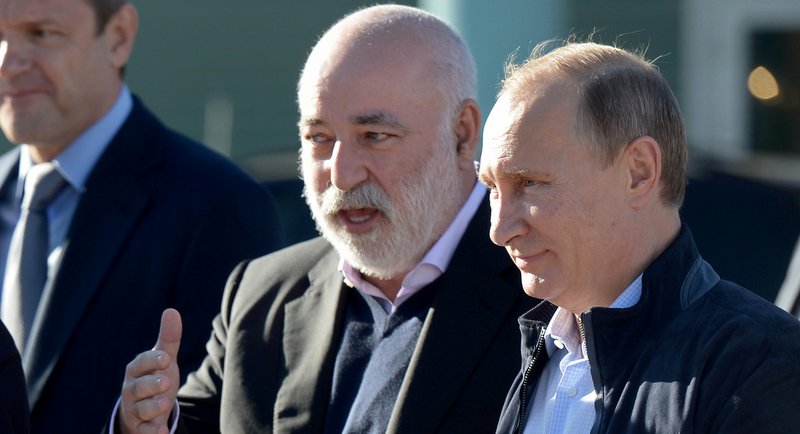
The West’s economic sanctions against Russia have divided the country’s most prominent businessmen into those who would like to remain “private” and those who never needed this.
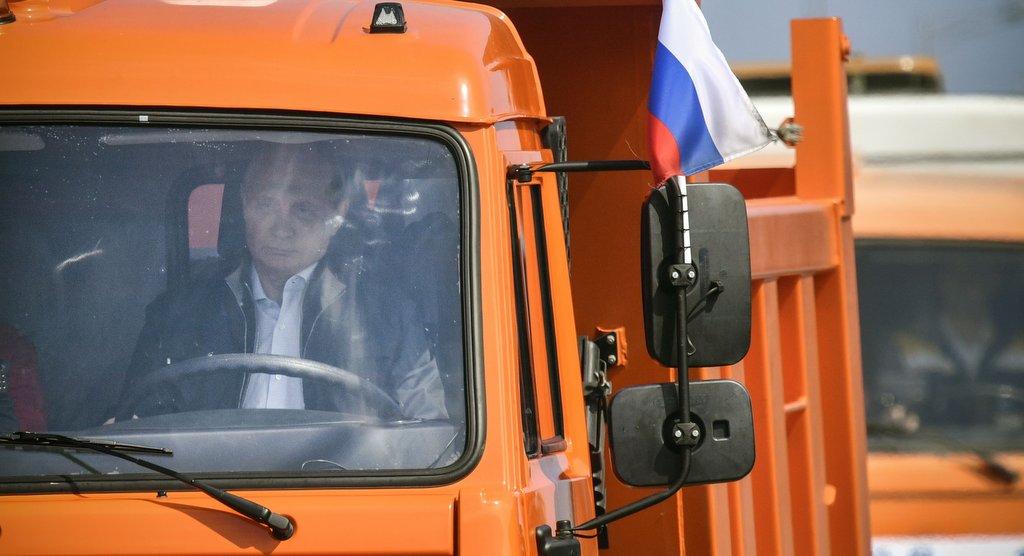
The Kerch Bridge is the conclusion of Crimea’s incorporation into Russia, both physically and politically. Any haggling over on what terms Russia might return Crimea to Ukraine is now definitively null and void.