Carnegie Moscow Center

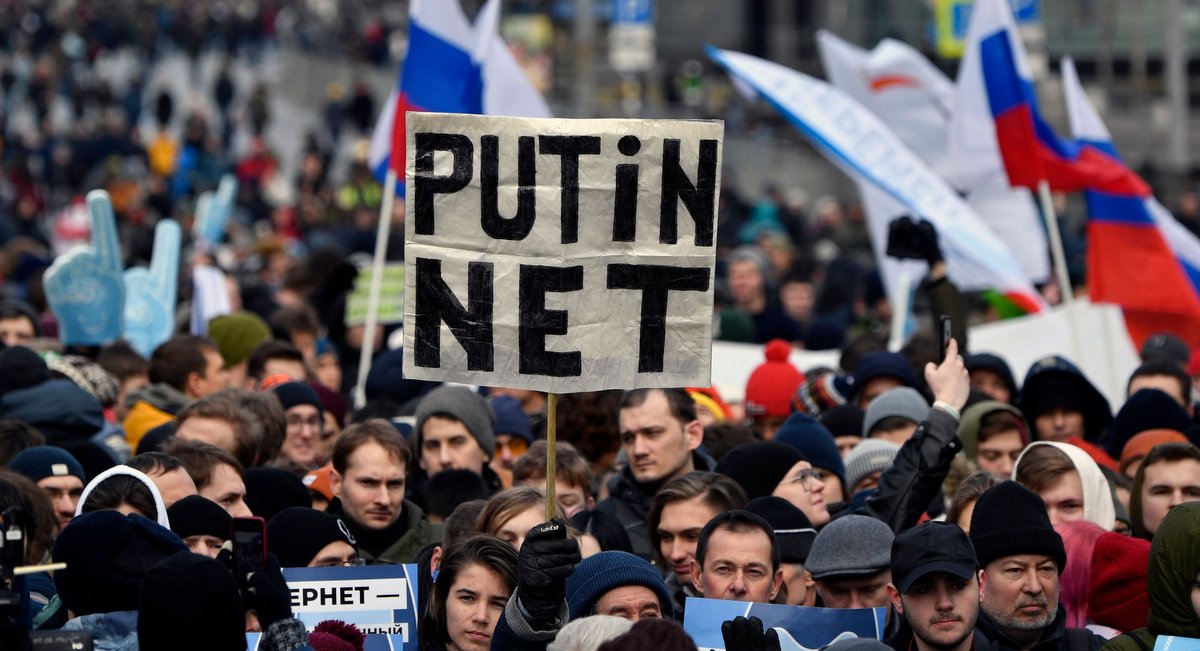
Recent demonstrations in Russia have not been led by a particular group or movement with grand political designs. Instead, protesters in Arkhangelsk – much like those in Yekaterinburg and even in Moscow – are simply people fighting for their government, finally, to treat them with the dignity and respect they deserve.
Every step taken by any state manager, including ministers within the government’s economic bloc, is limited by a maze of KPIs, over the achievement of which they often simply have no control.
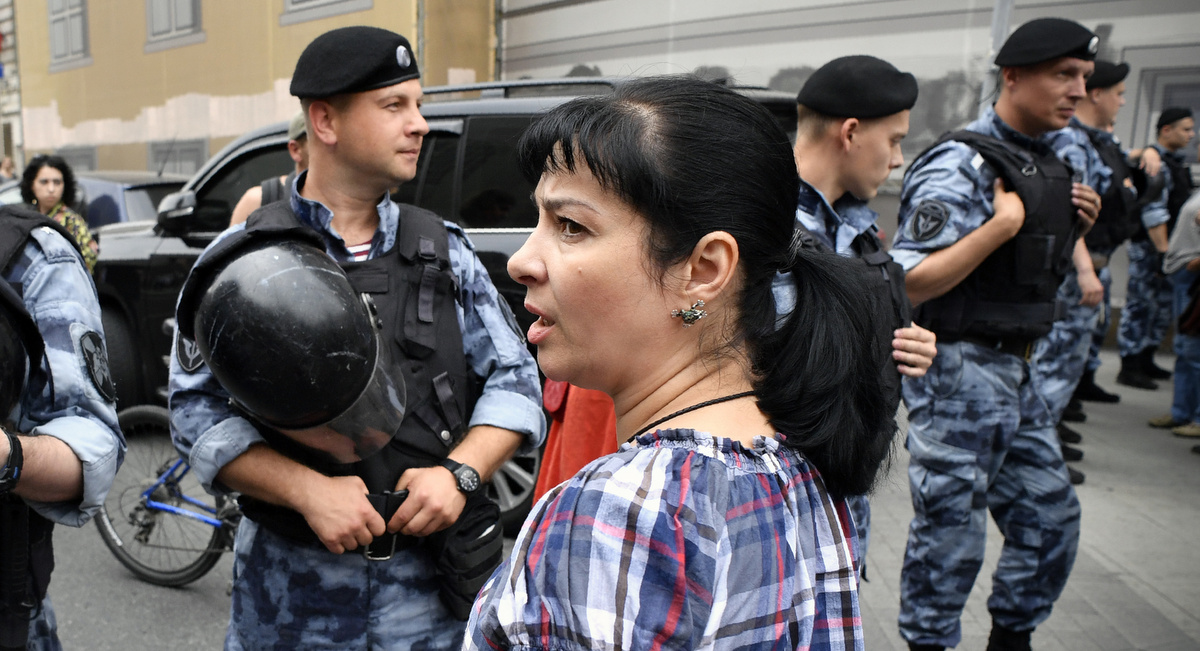
The society of citizens and its representatives in Russia face a dilemma. One option is to cut a deal with the state and work in its interests and on its terms. The other option is marginalisation, to become outcasts destined to be in constant conflict with the state.
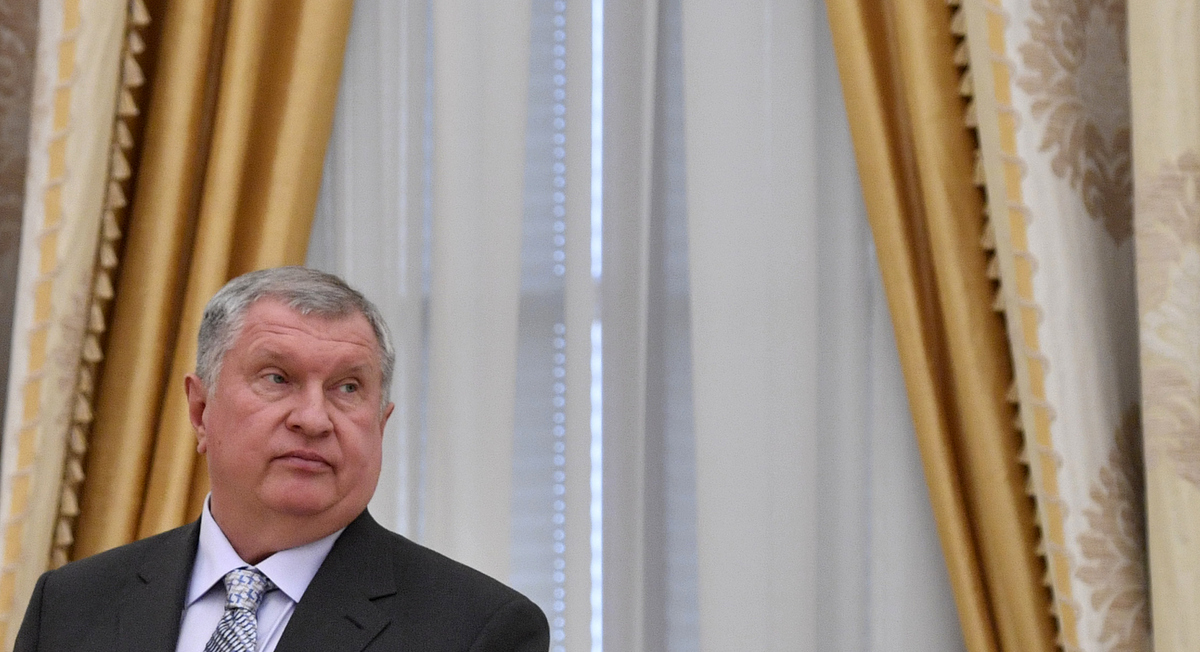
Reuters was right to publish information showing that Rosneft head Igor Sechin repeatedly used corporate aircraft for personal purposes.
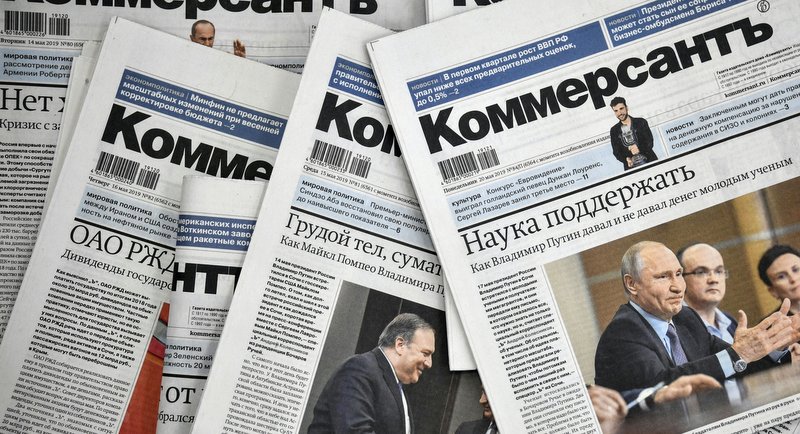
When media outlets and their owners are accountable to the political regime instead of to their audiences, they cannot be both professional and manageable.
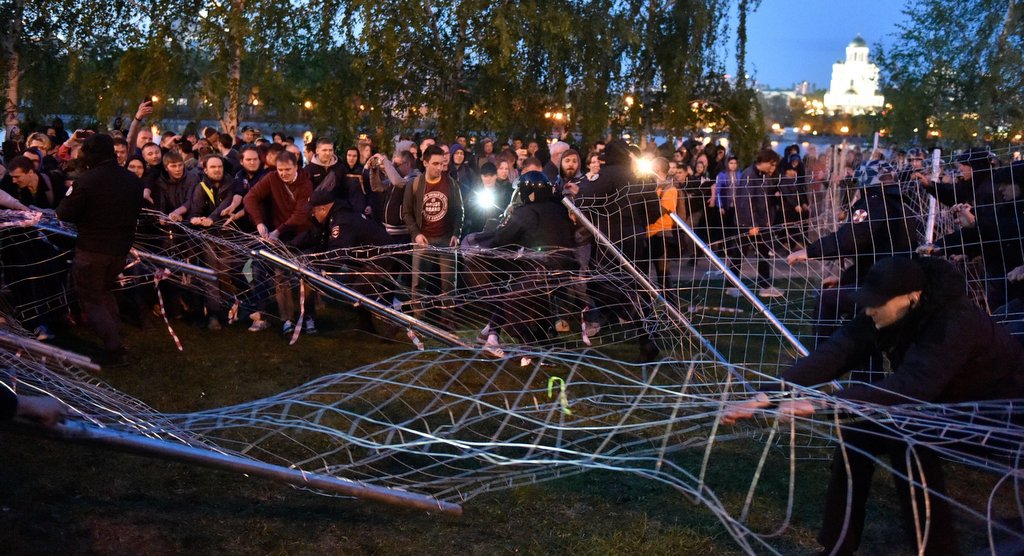
The confrontations between society and the authorities which are spreading across the country shouldn't be taken lightly.
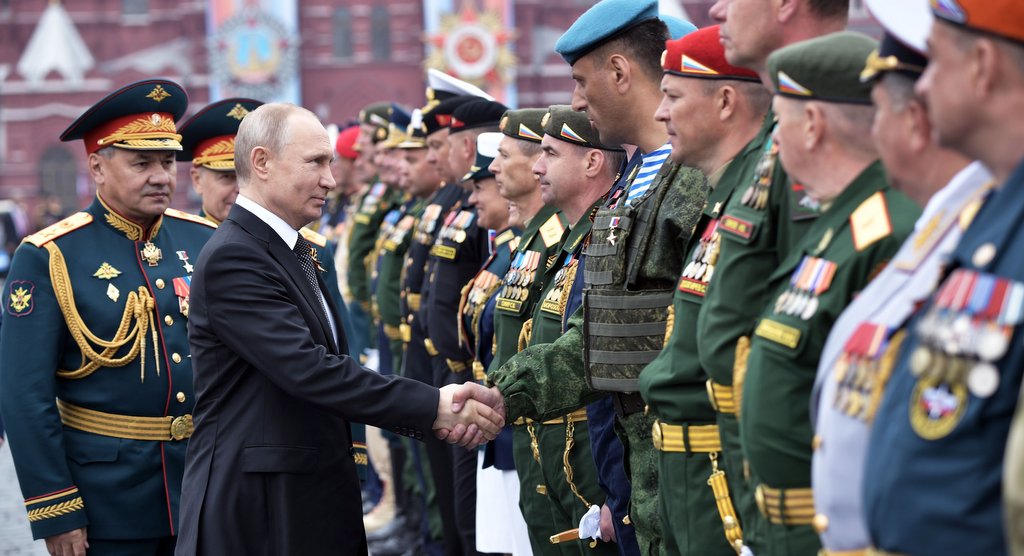
Military pomp is drowning out a meaningful reflection on the horrors of the war.
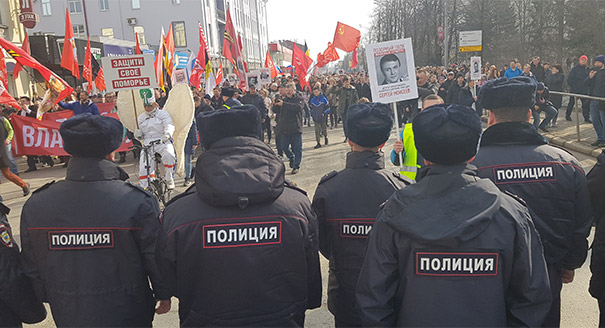
The wave of landfill protests sweeping Russia is something new on the country’s political map. Fierce and intransigent, they have become a thorn in the side of the authorities—at least at a local level—and demonstrate a new kind of civic activism: one born out of garbage and demolition waste.
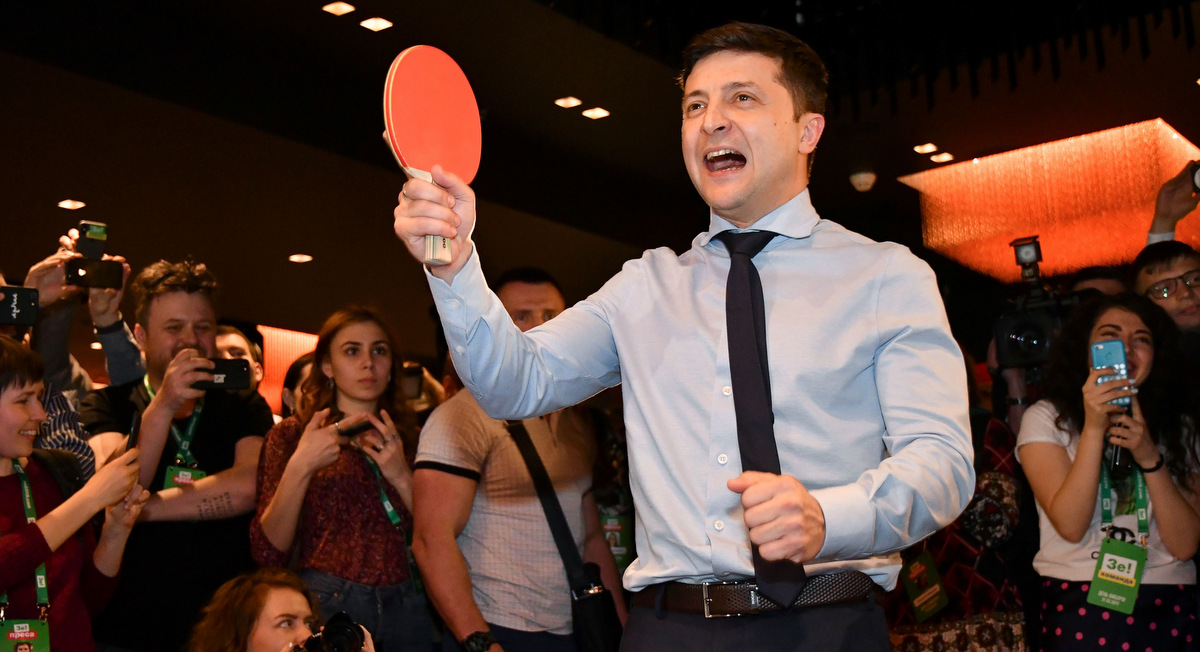
The Russian authorities have never been inclined to consider Ukraine a truly separate state.
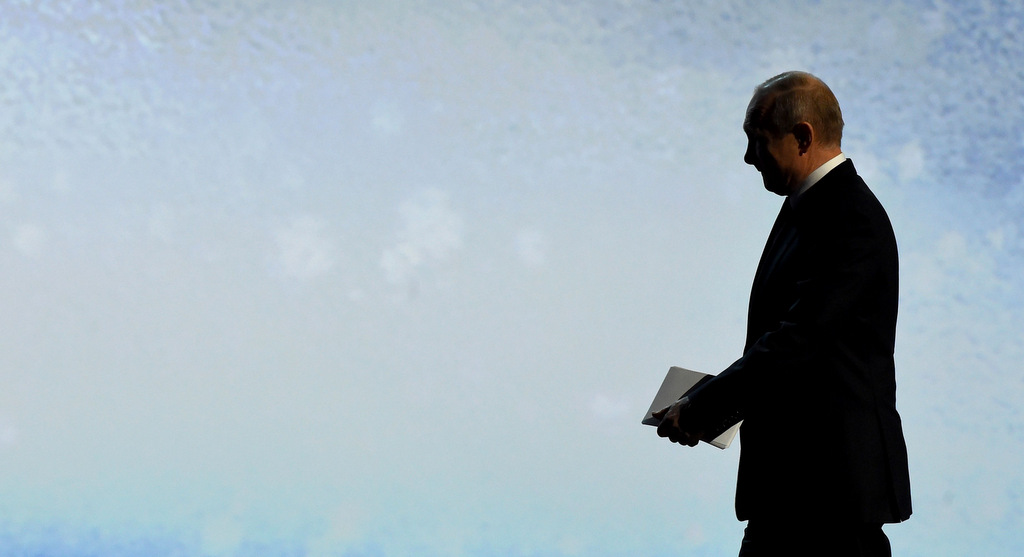
Russian President Vladimir Putin’s nostalgia for the Soviet Union appears unlimited, and he is now resurrecting perhaps its most notorious feature: the purge. Recalling the Stalin era, the recent arrests and imprisonment of numerous regime figures have fueled a pervasive sense of fear among the country’s elites.